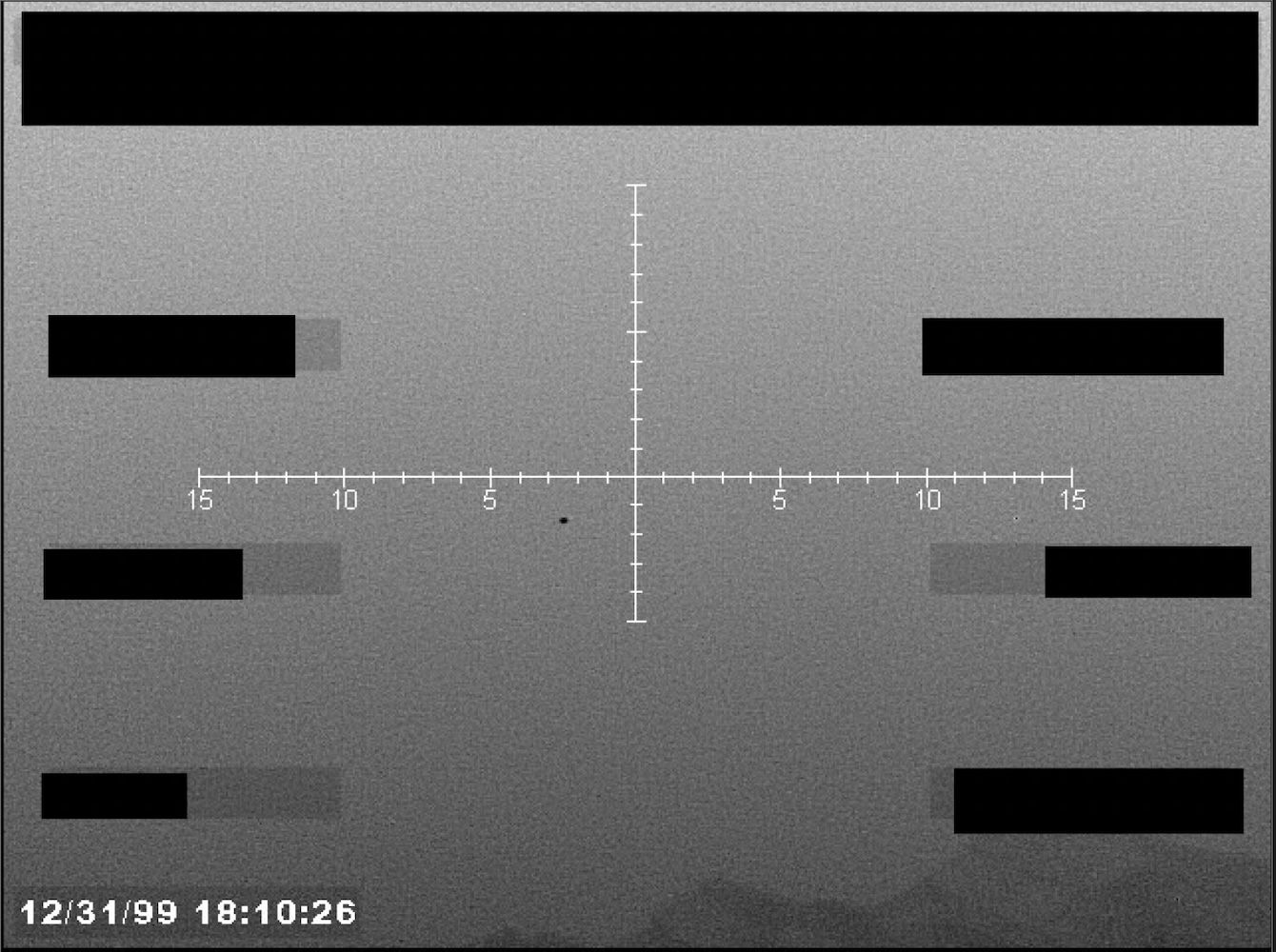
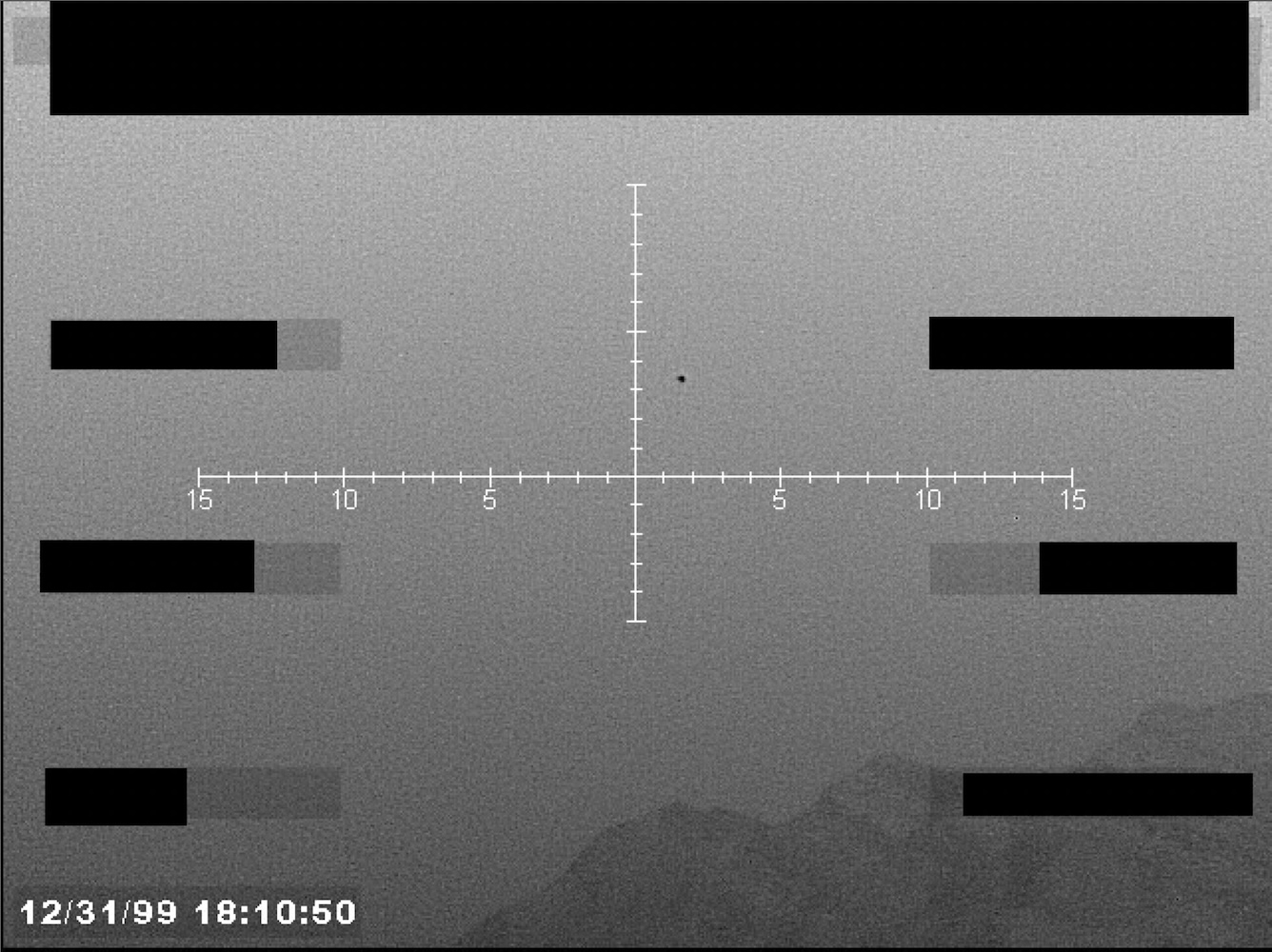
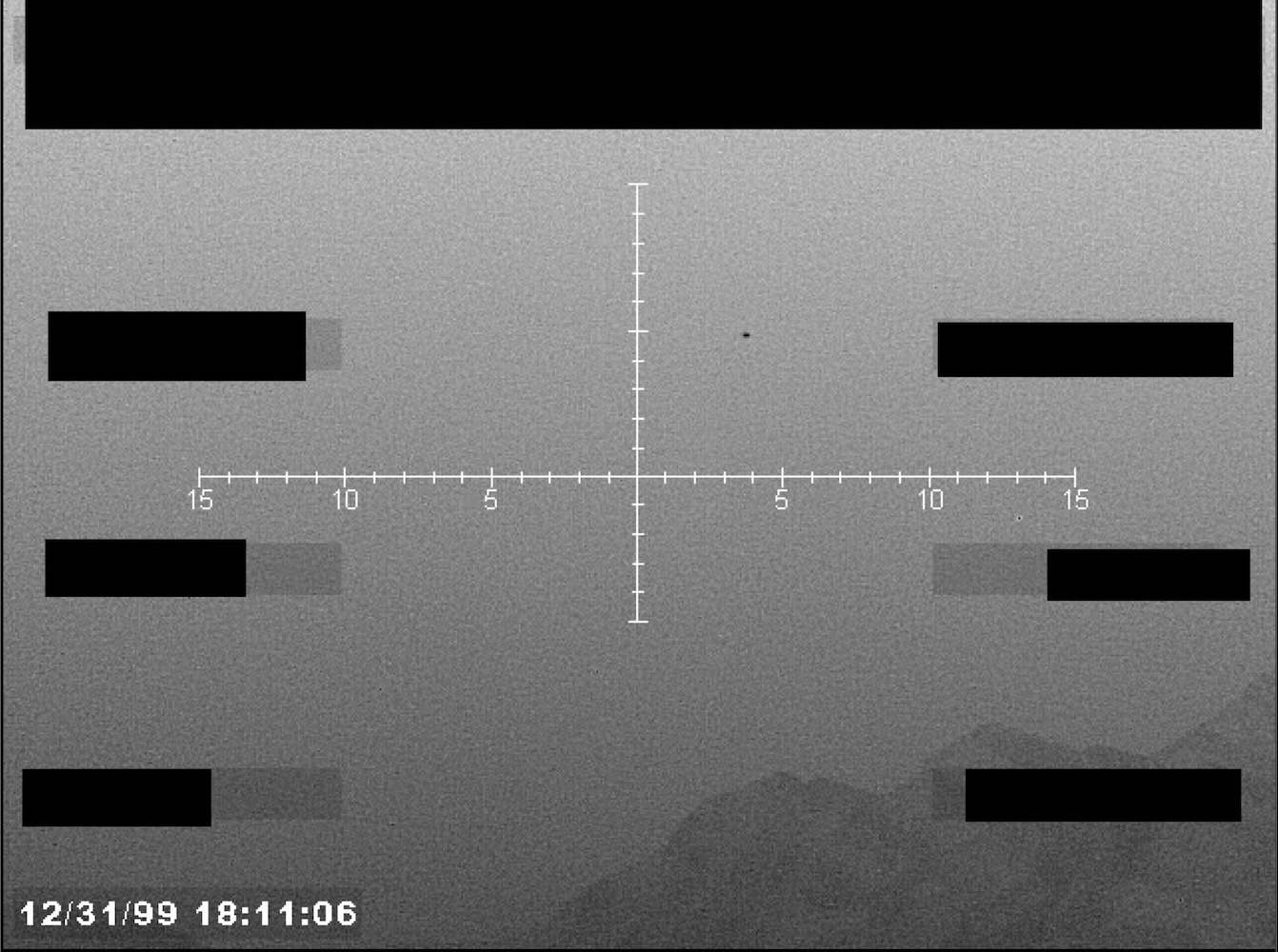
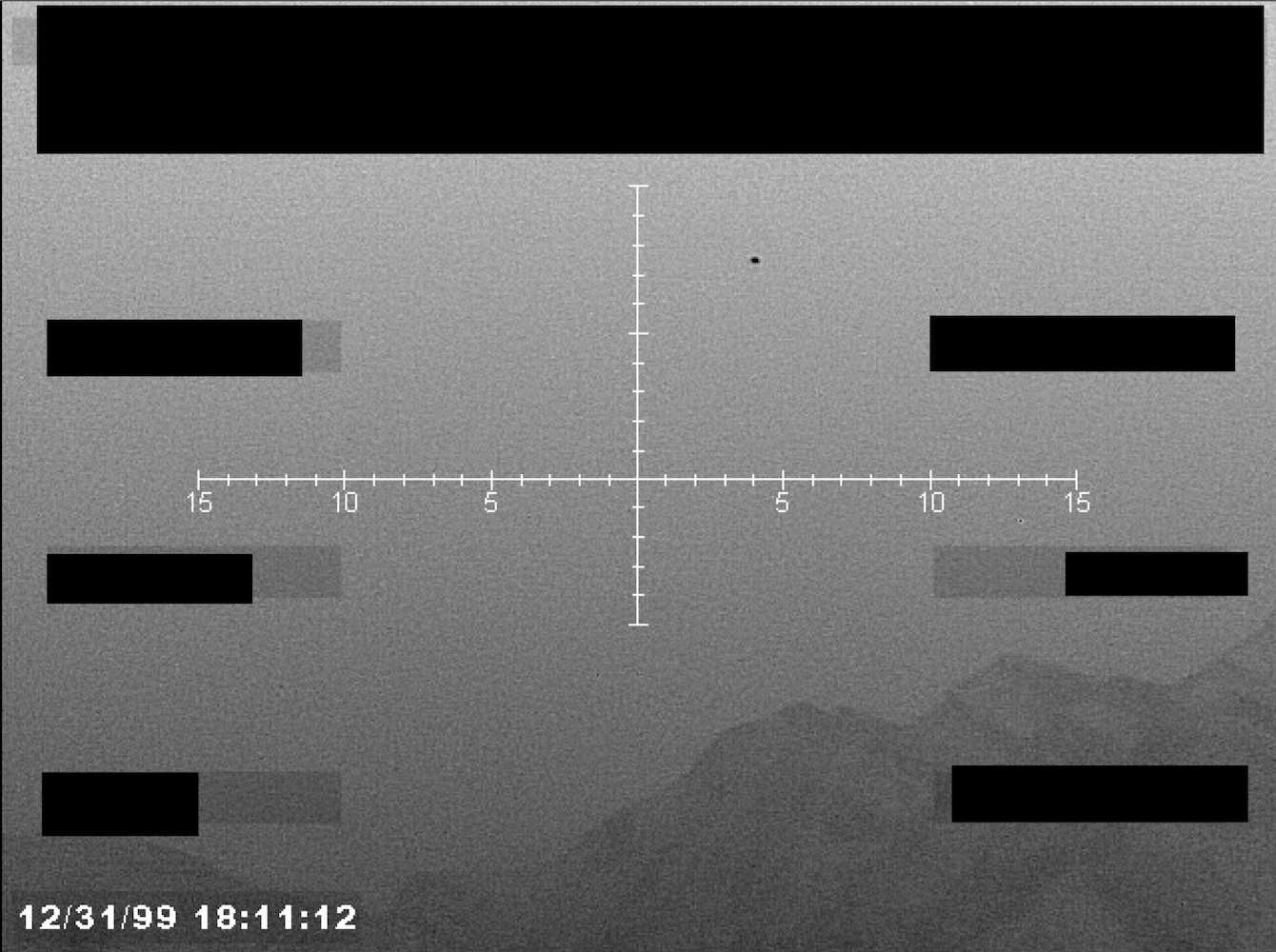
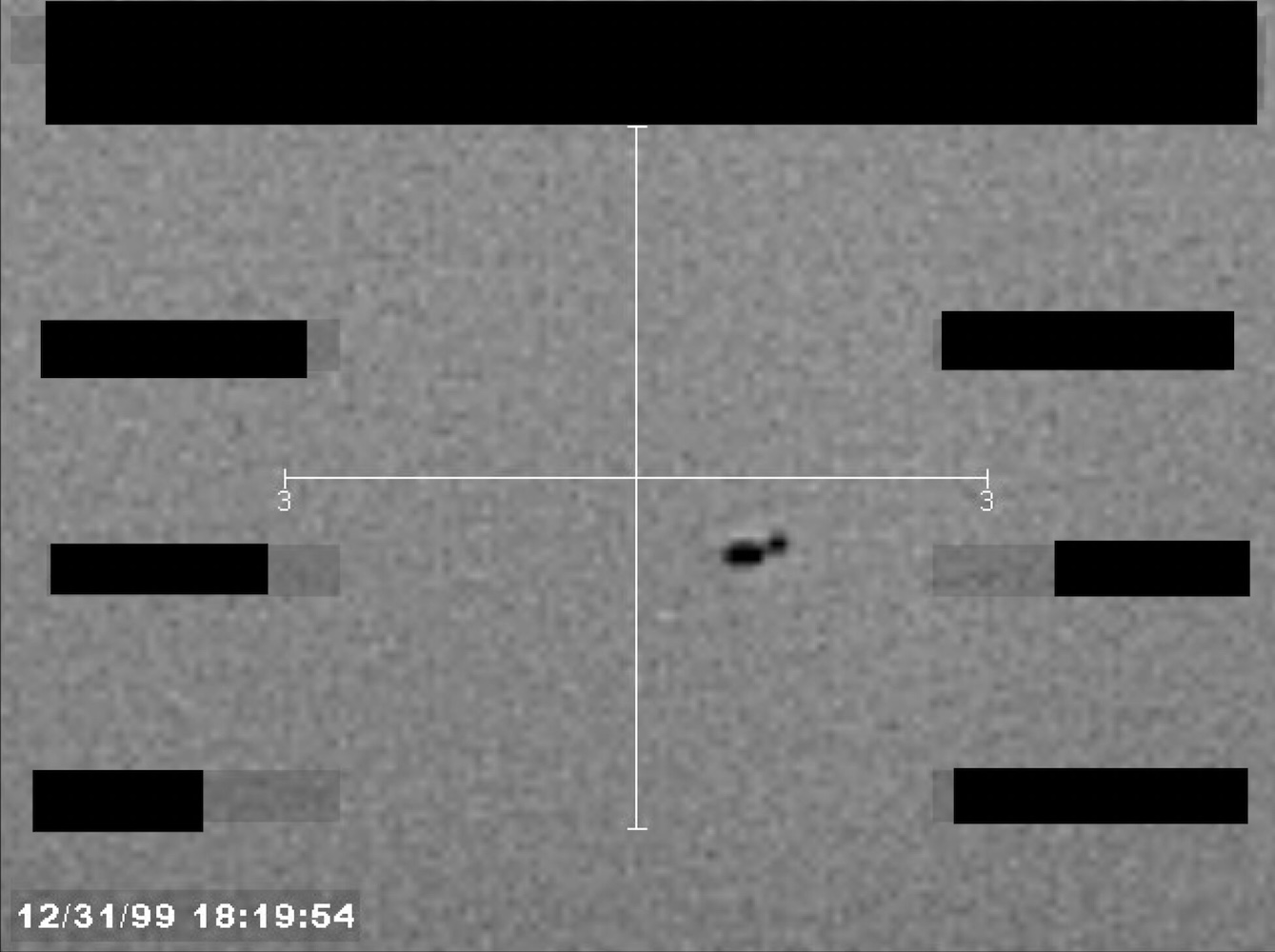
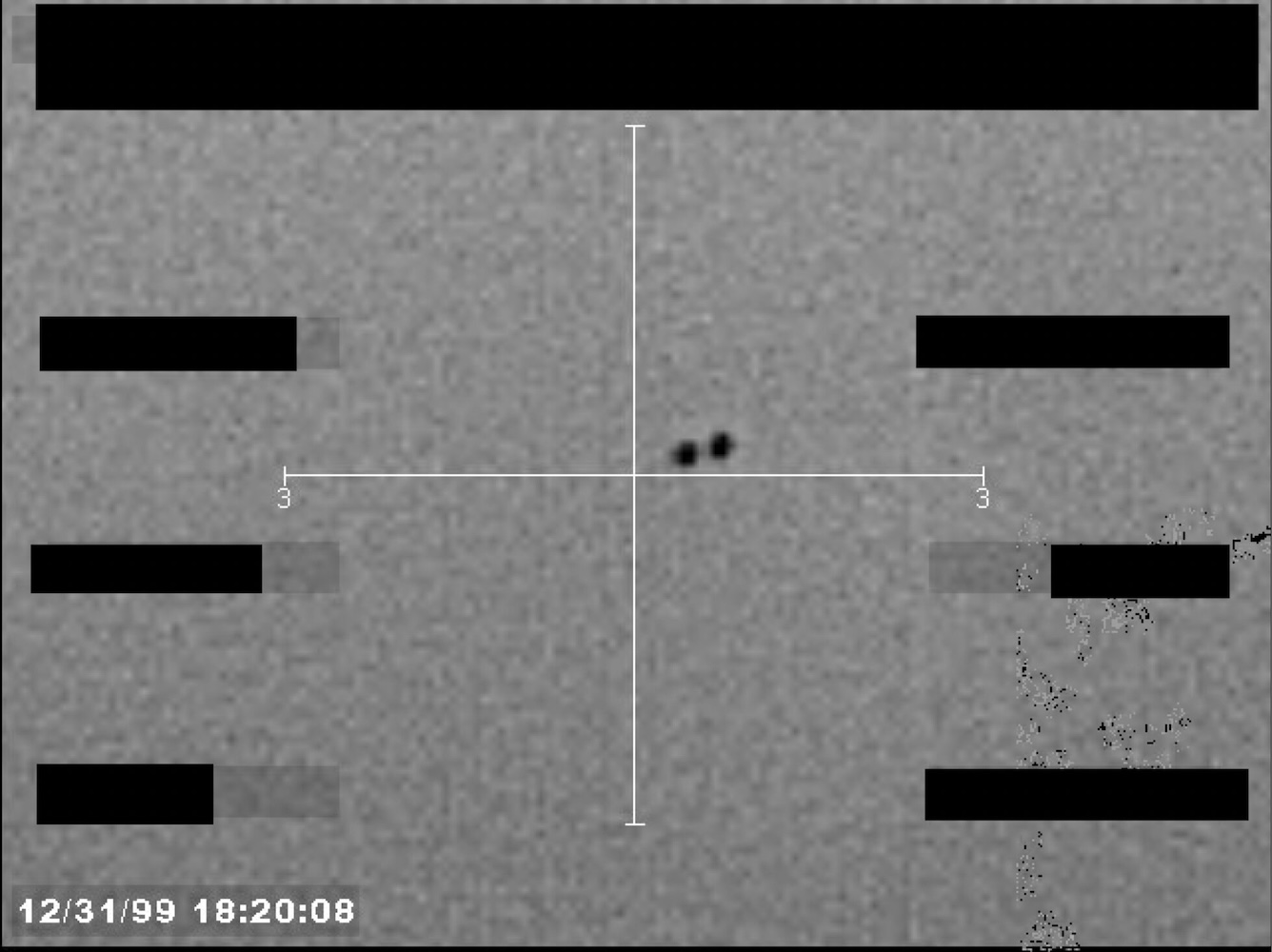
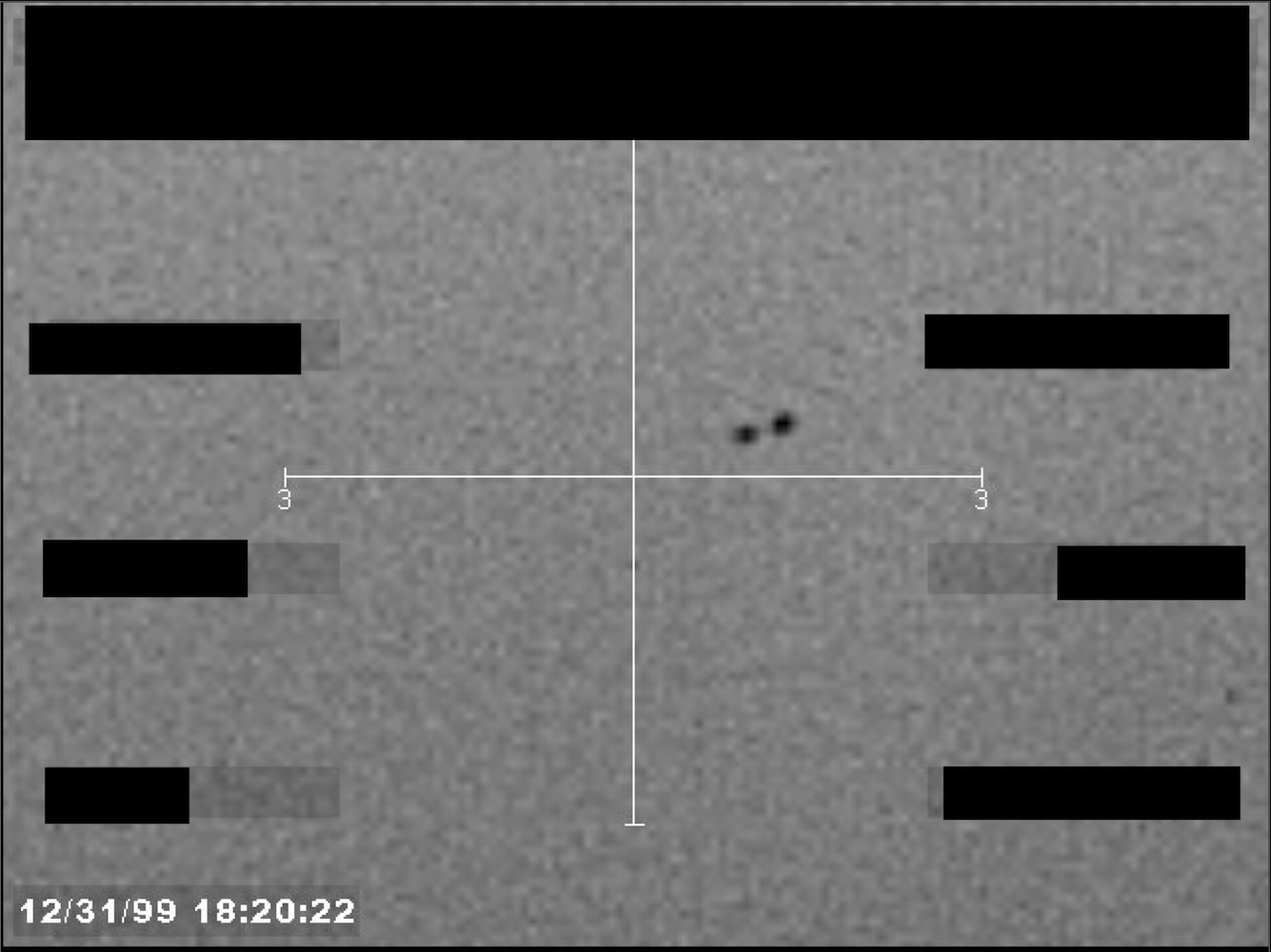
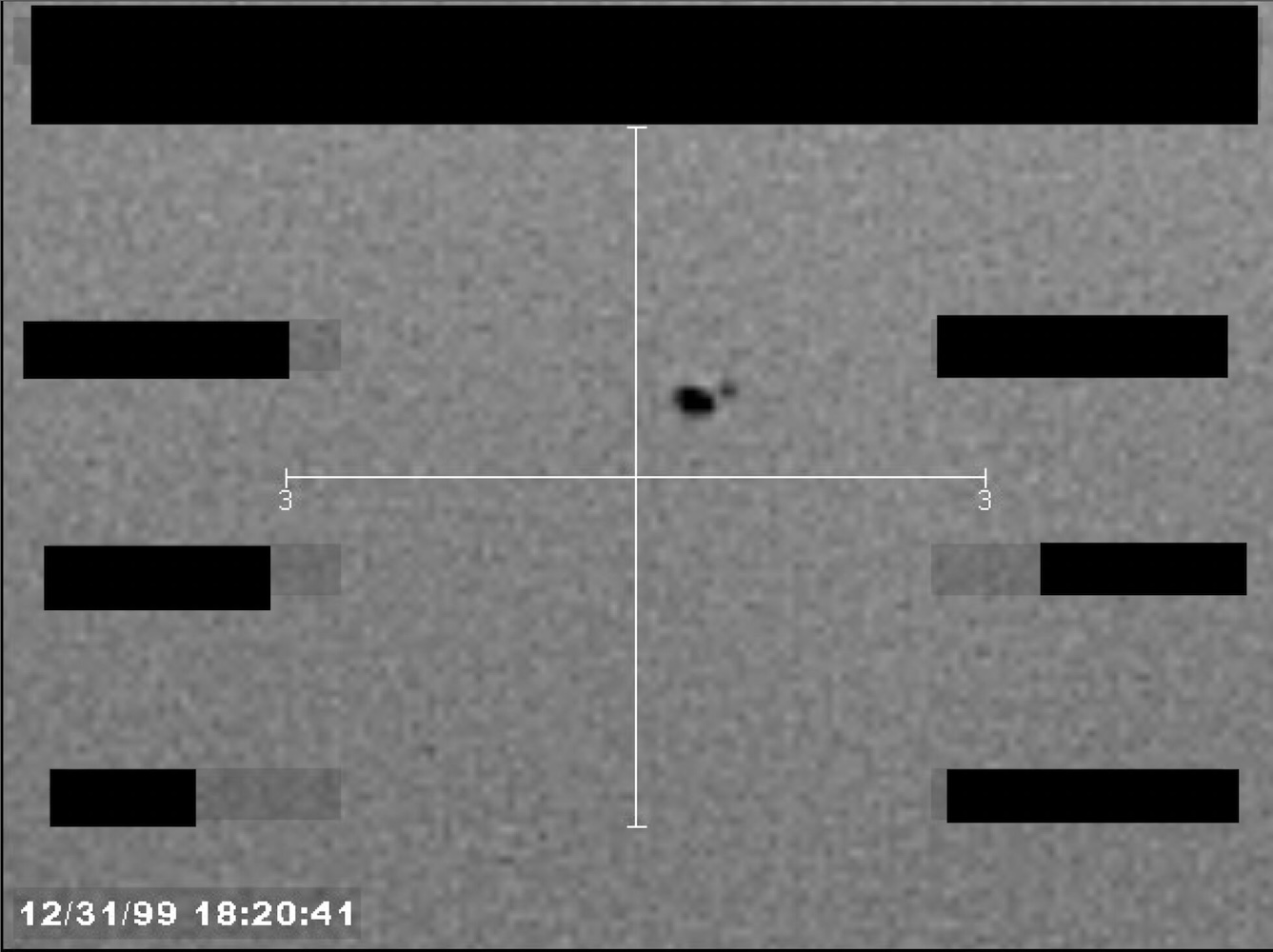
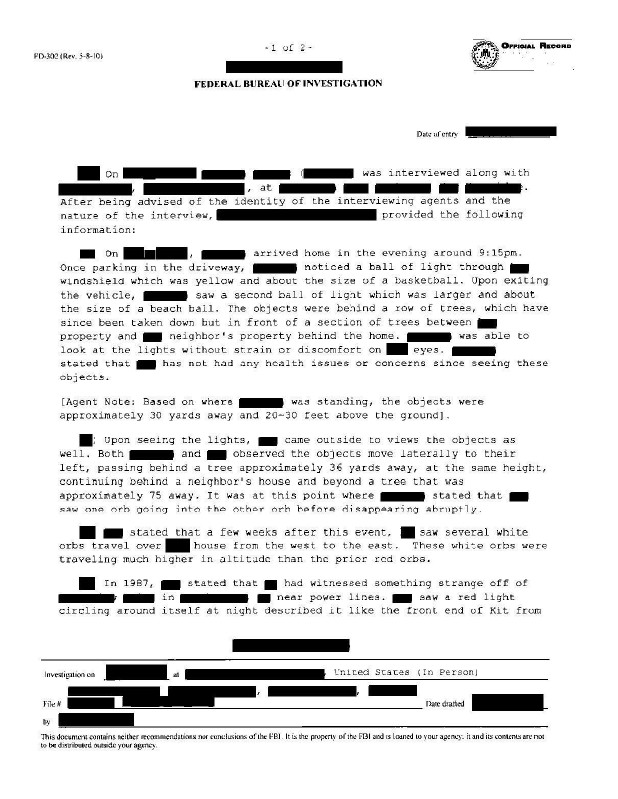
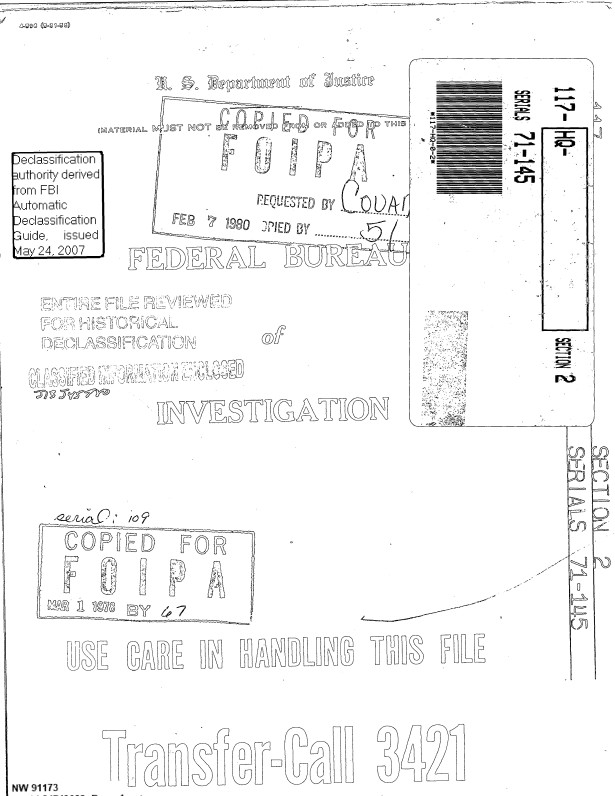
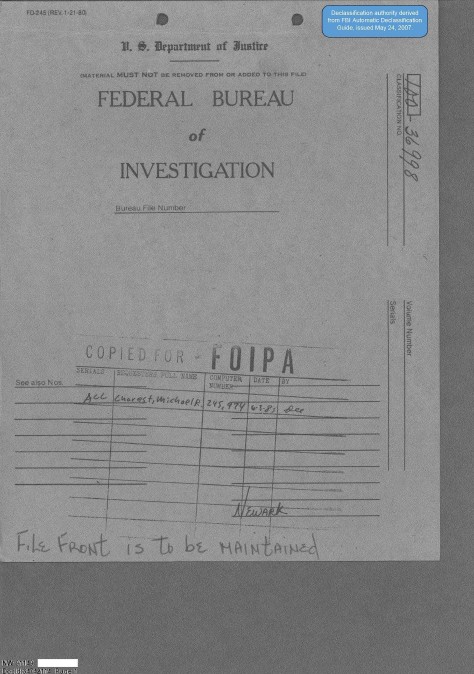
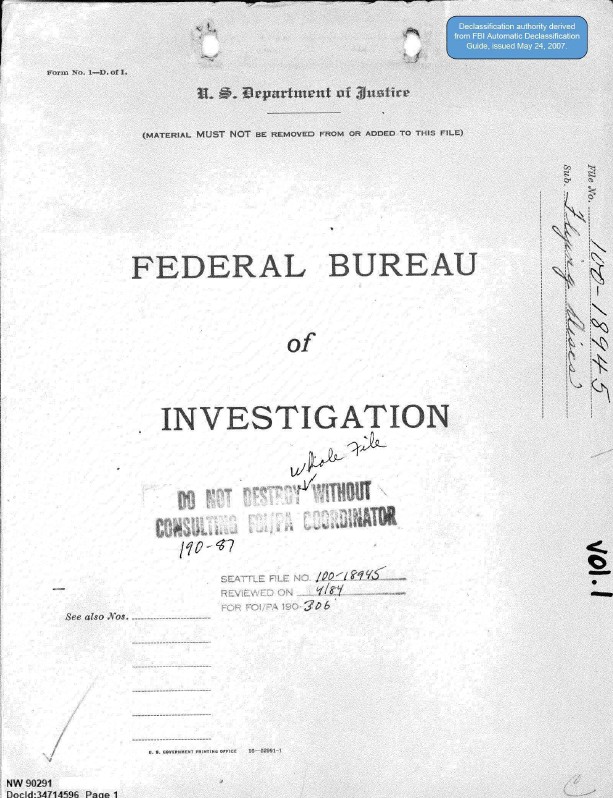
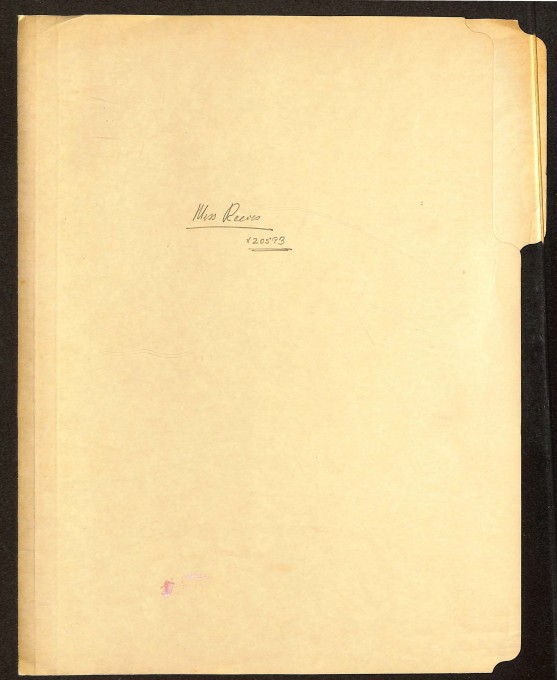
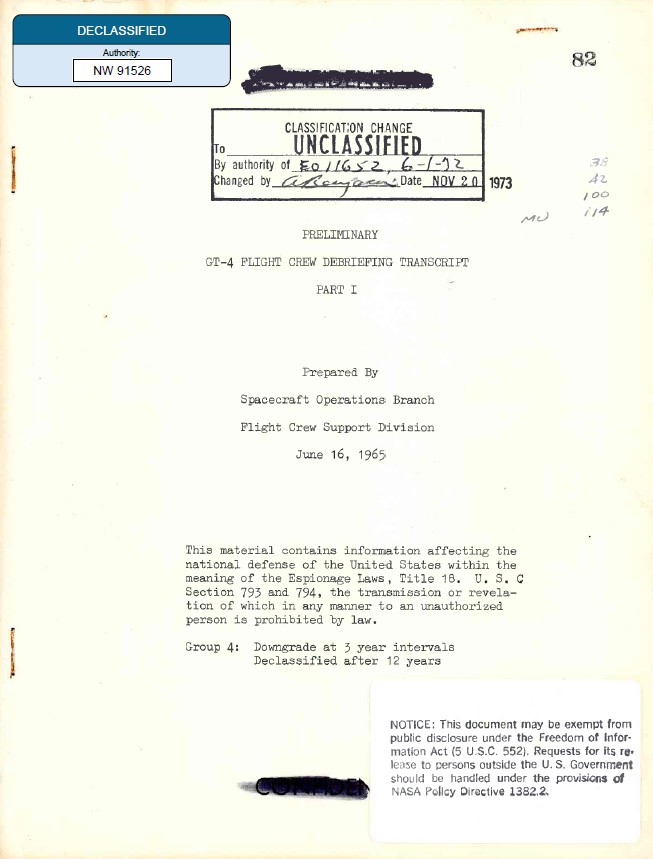
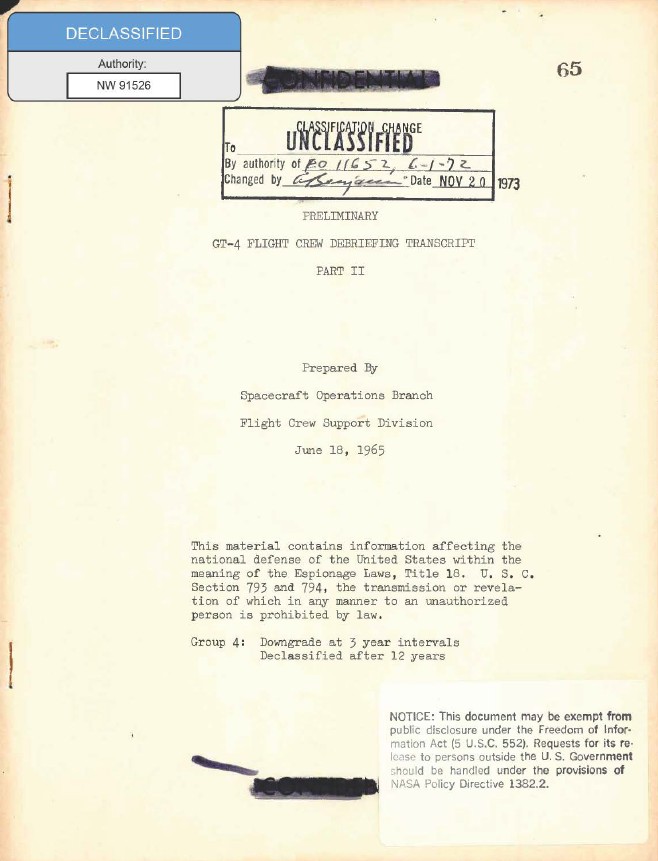
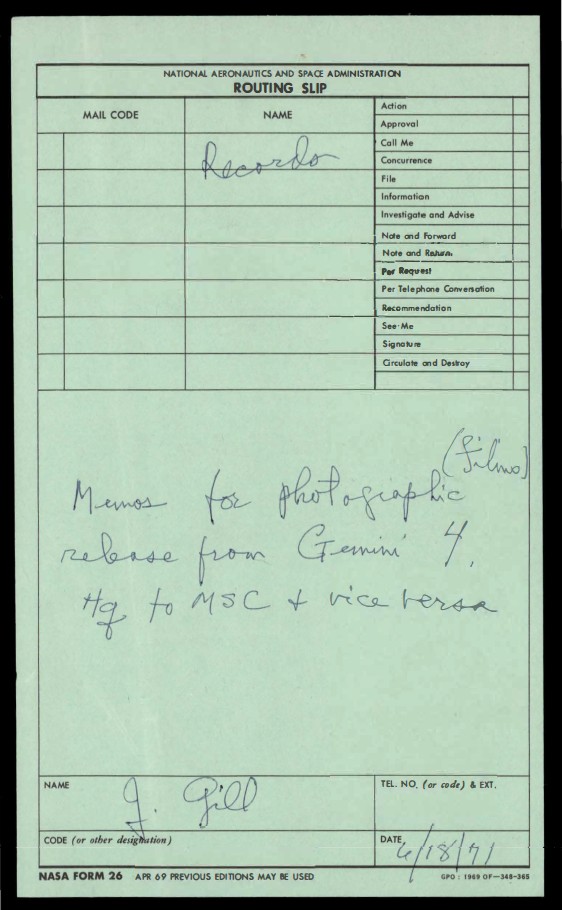
The full PURSUE archive,
searchable, viewable, playable.
Every record from the U.S. Department of War's five 2026 UAP releases — 375 documents, videos, audio recordings, and photographs from FBI, CIA, NASA, ODNI, DoE, State, EOP, ICA, and the All-domain Anomaly Resolution Office. Mirrored locally, indexed, and ready to explore.
Release 05's Gulf of Oman videos are
one linked evidence set, not six isolated files.
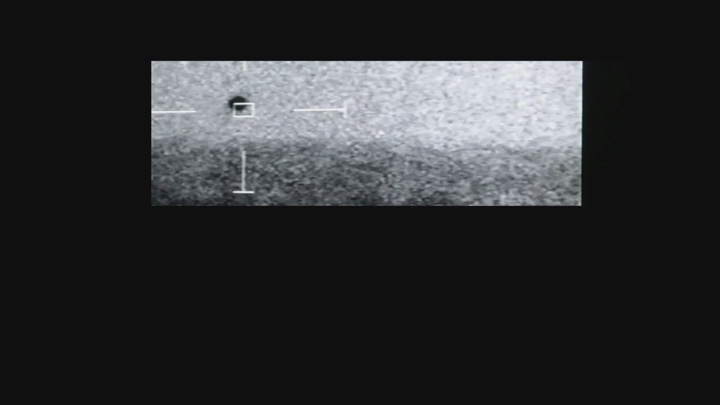
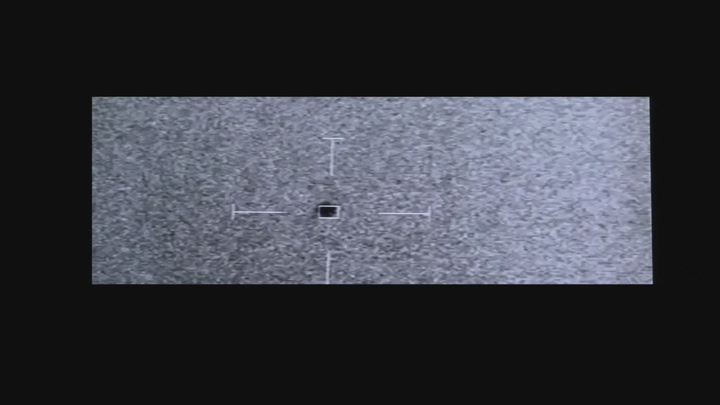
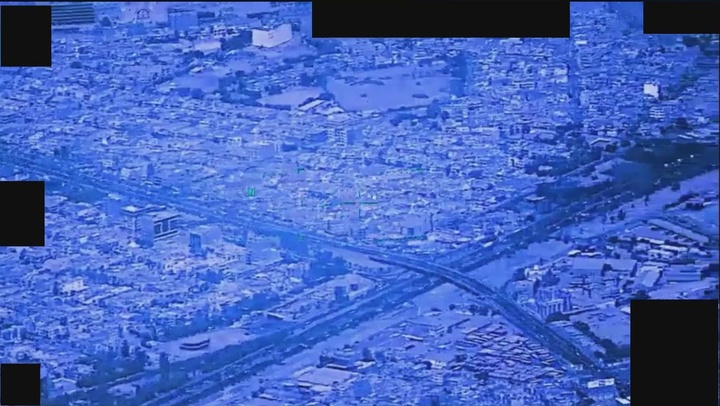
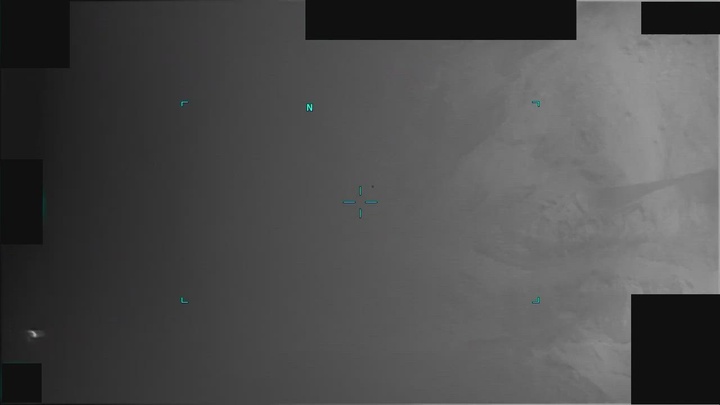
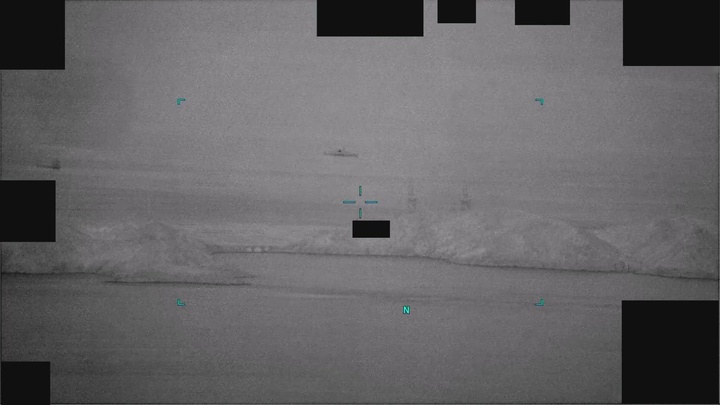
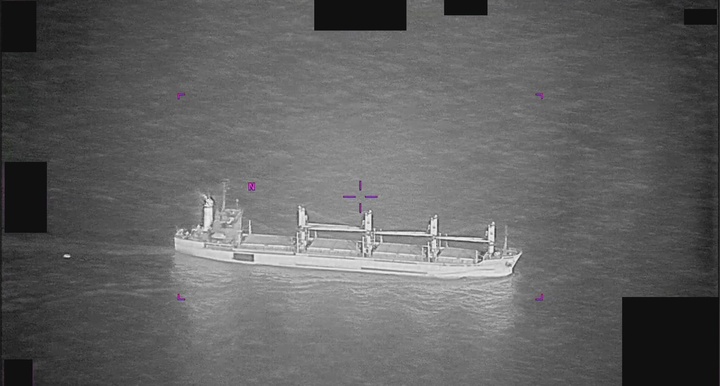
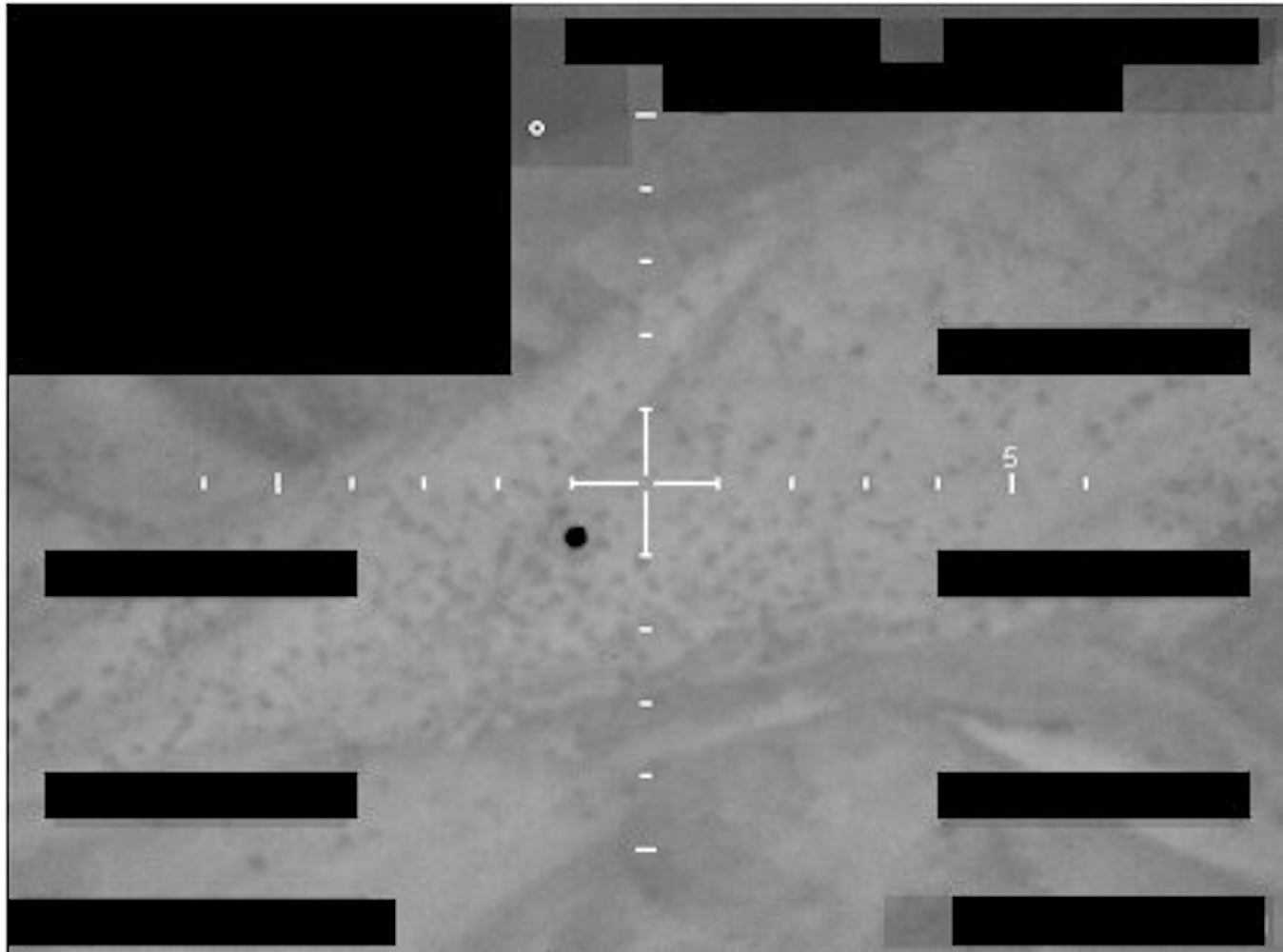
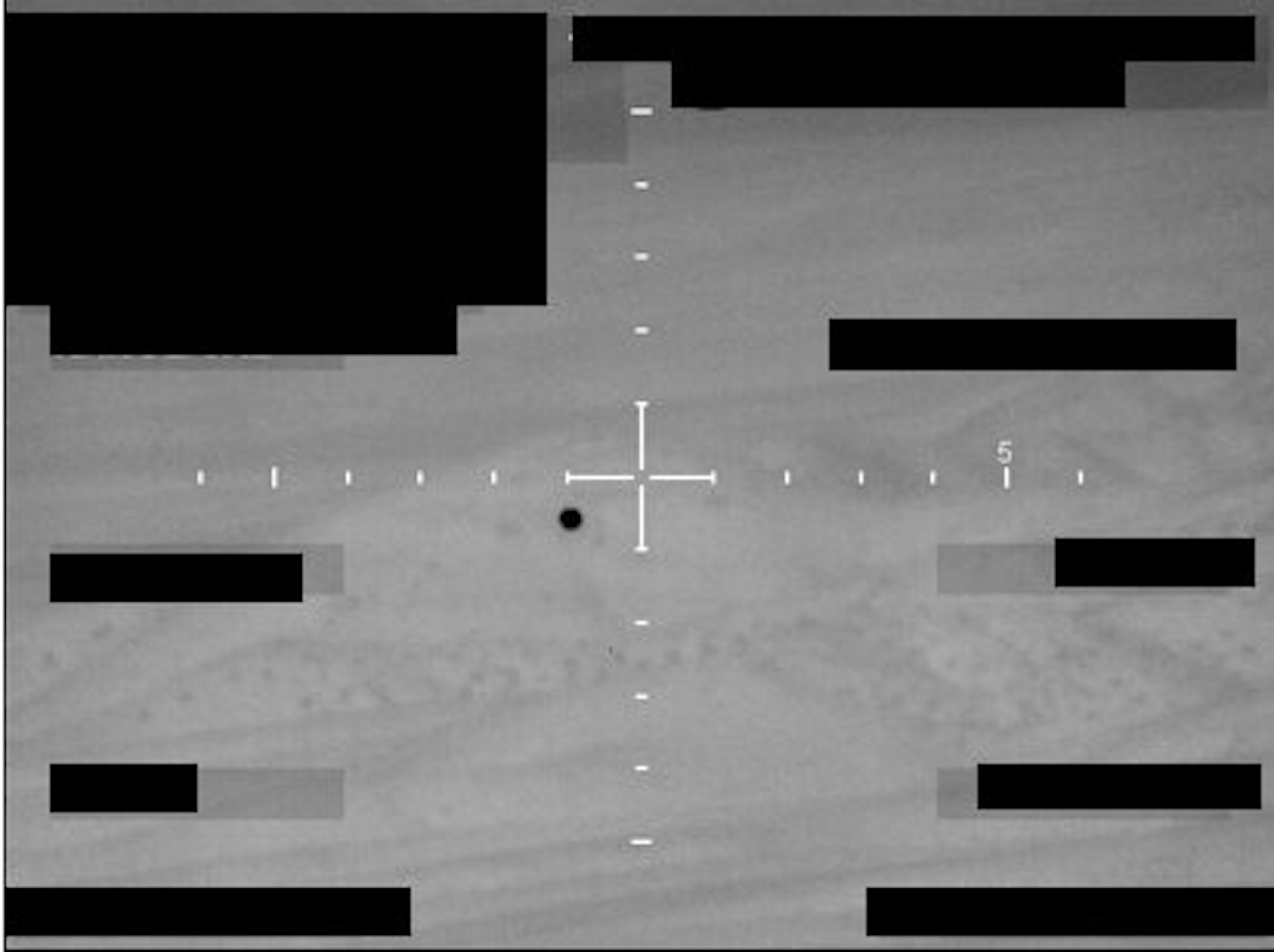
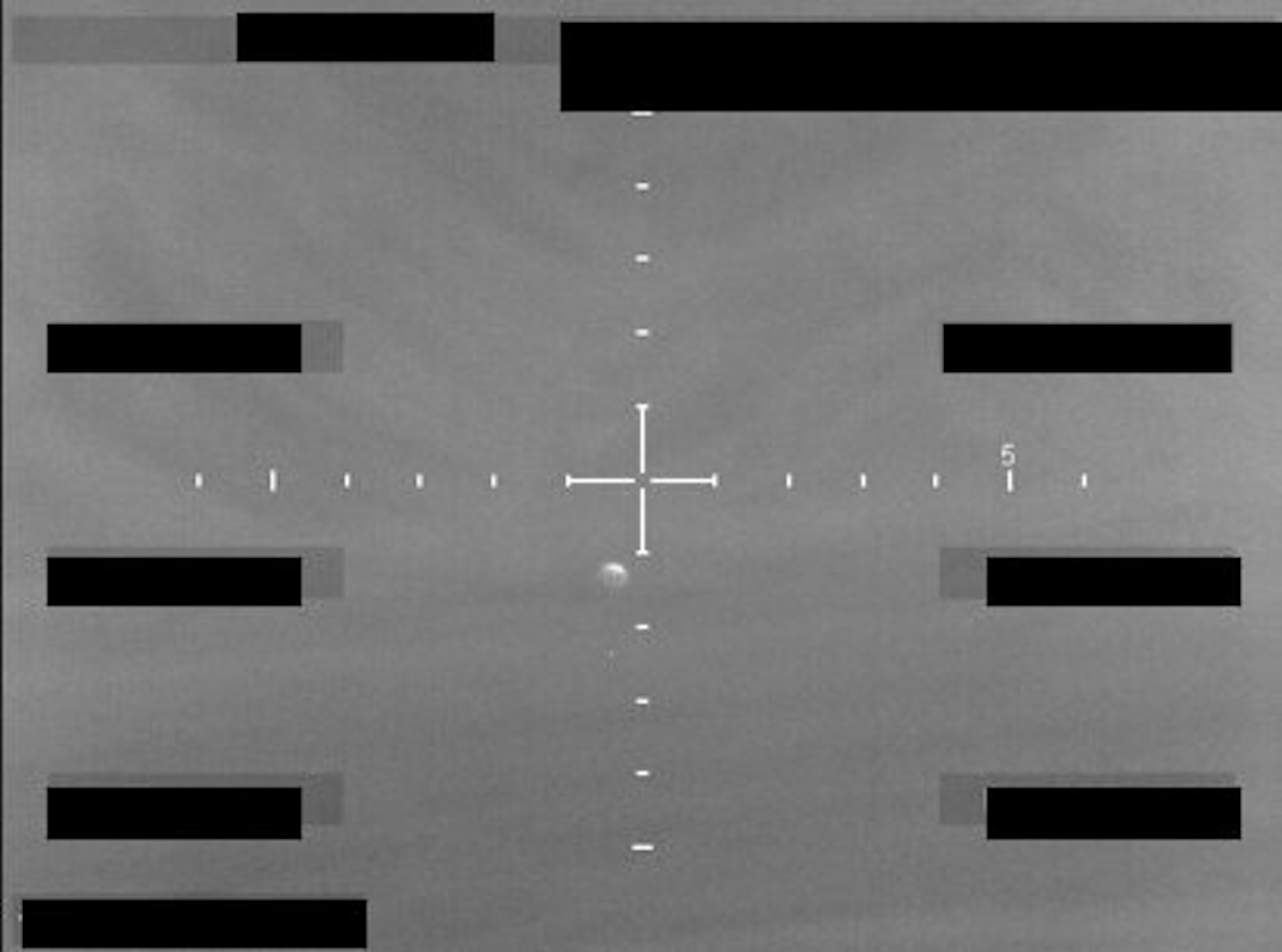
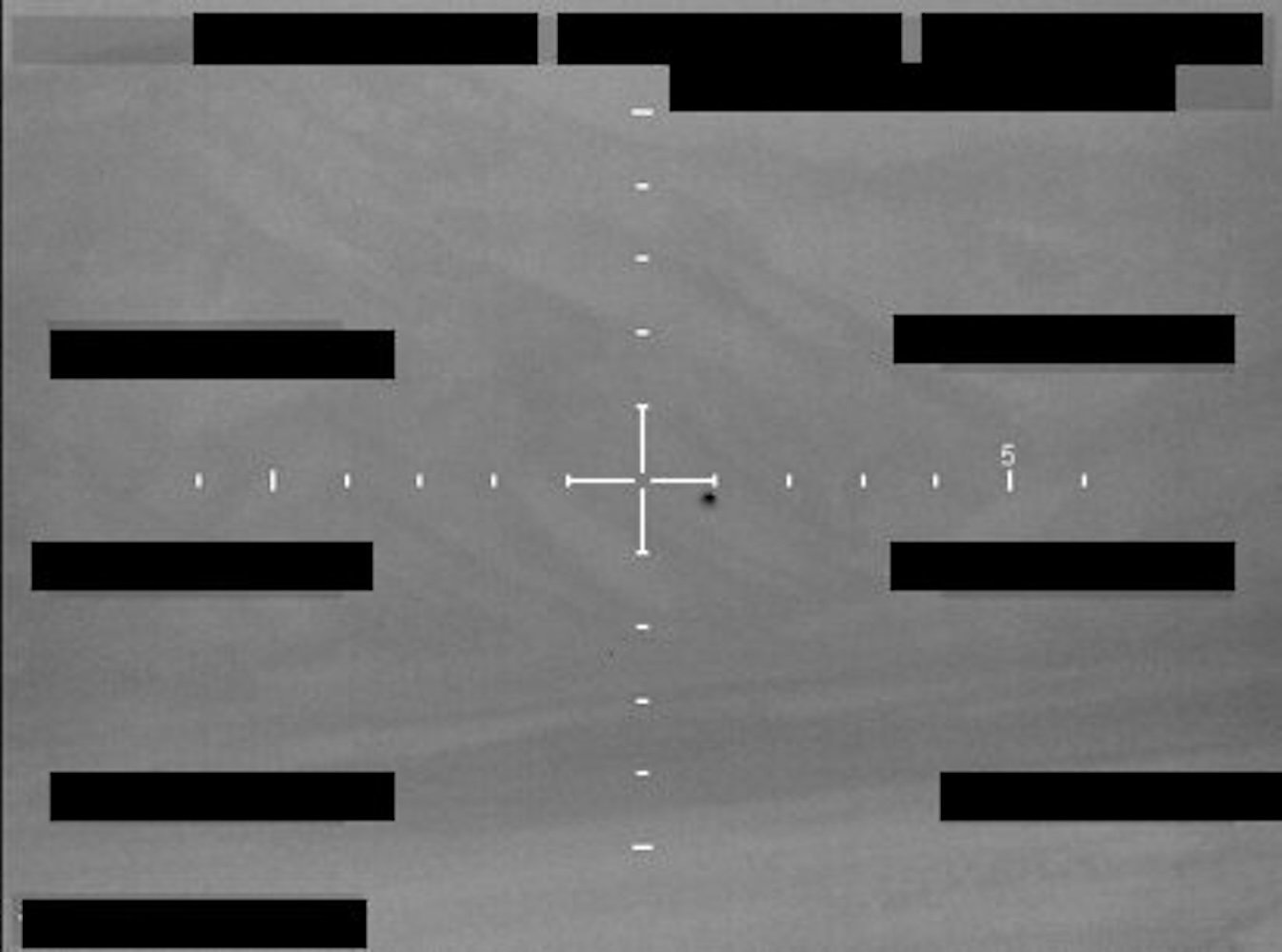
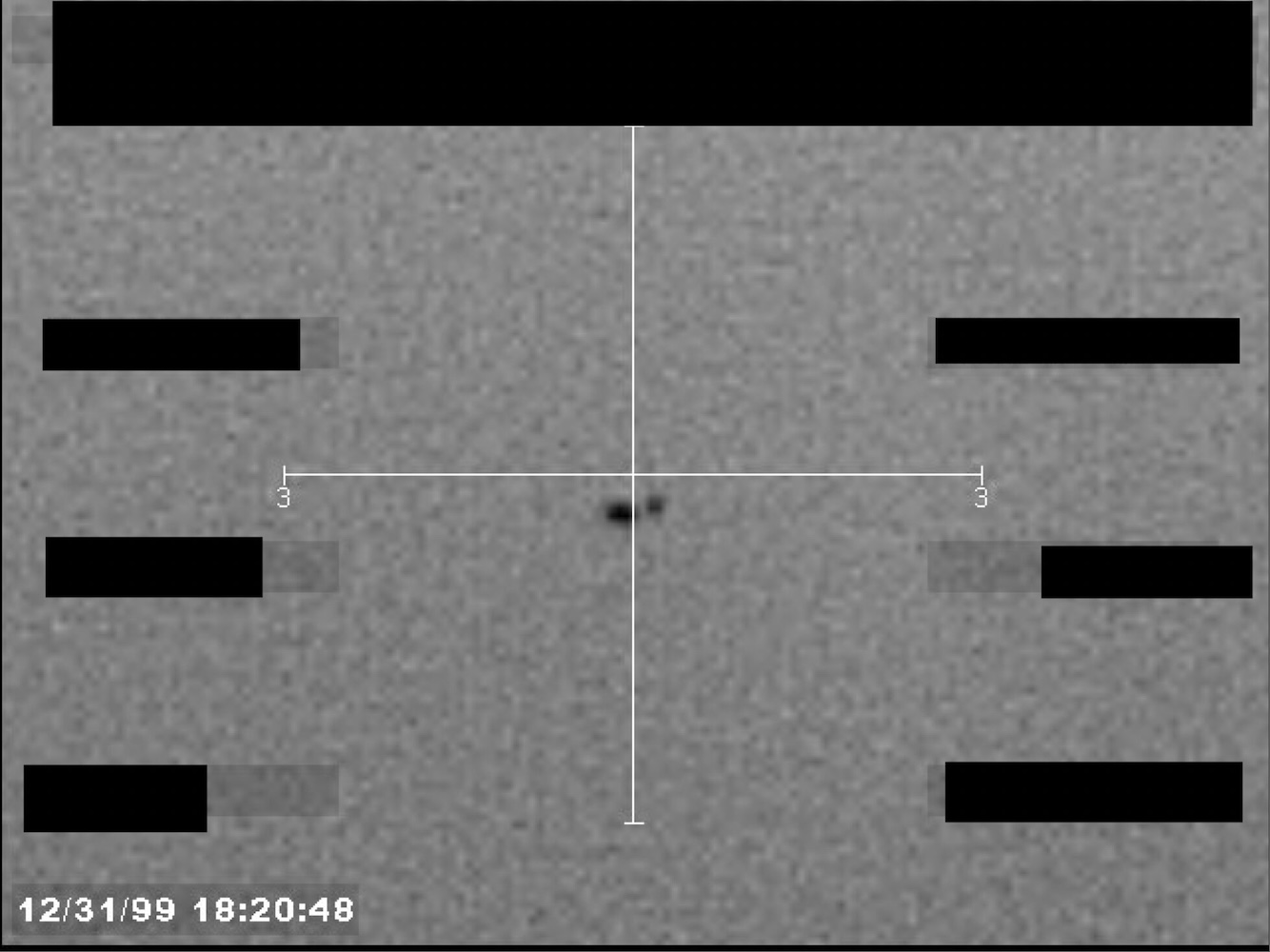
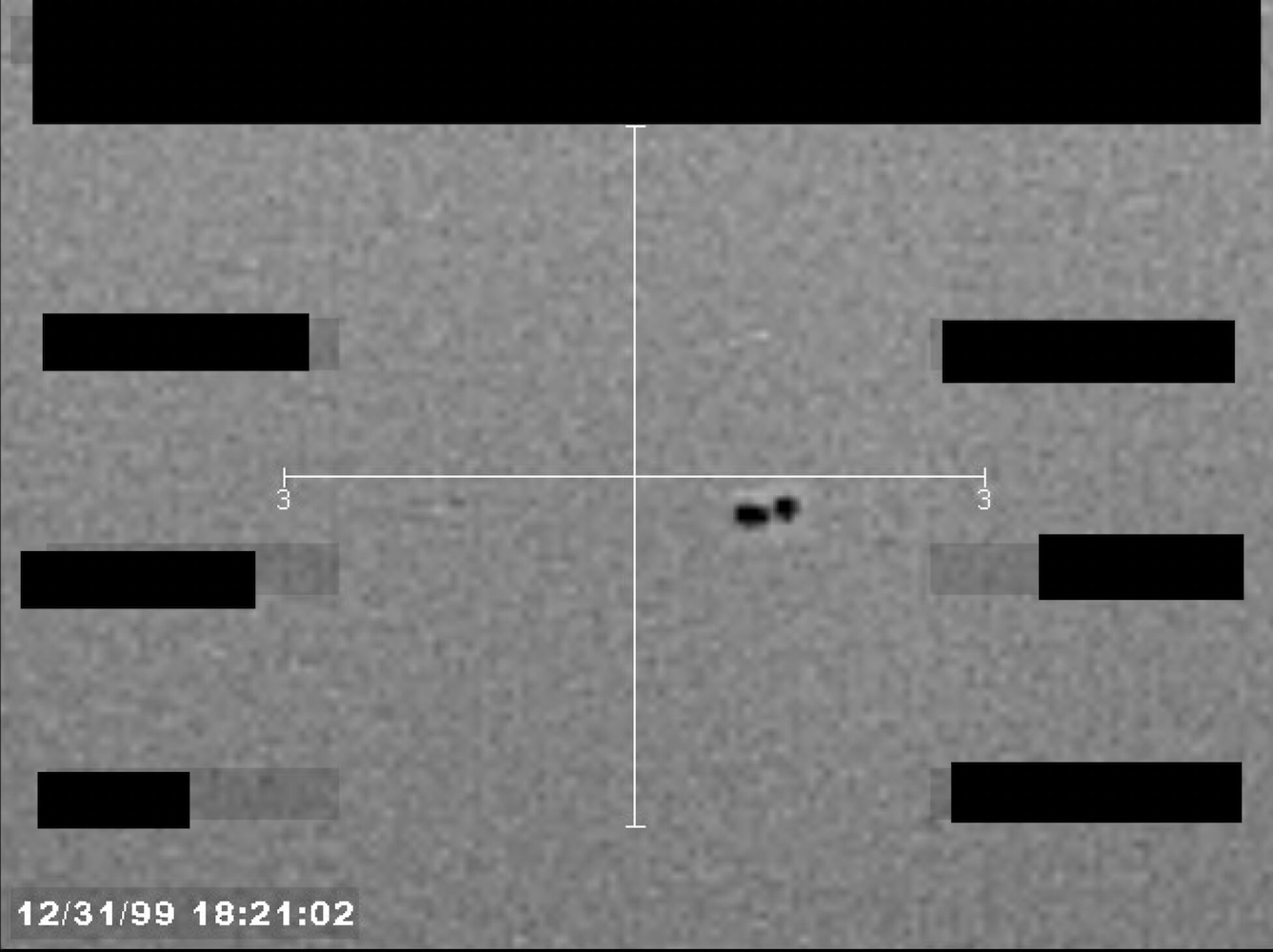
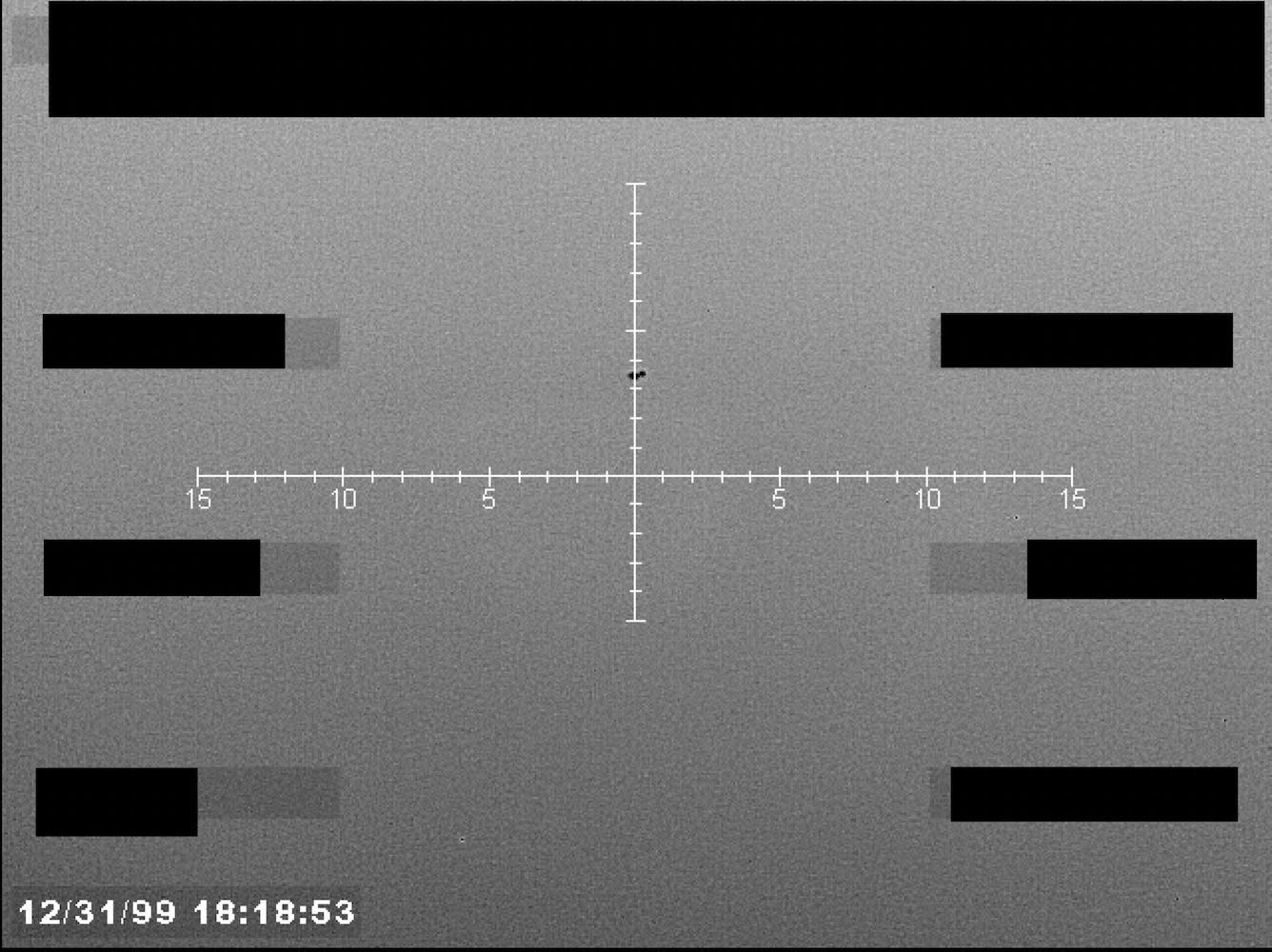
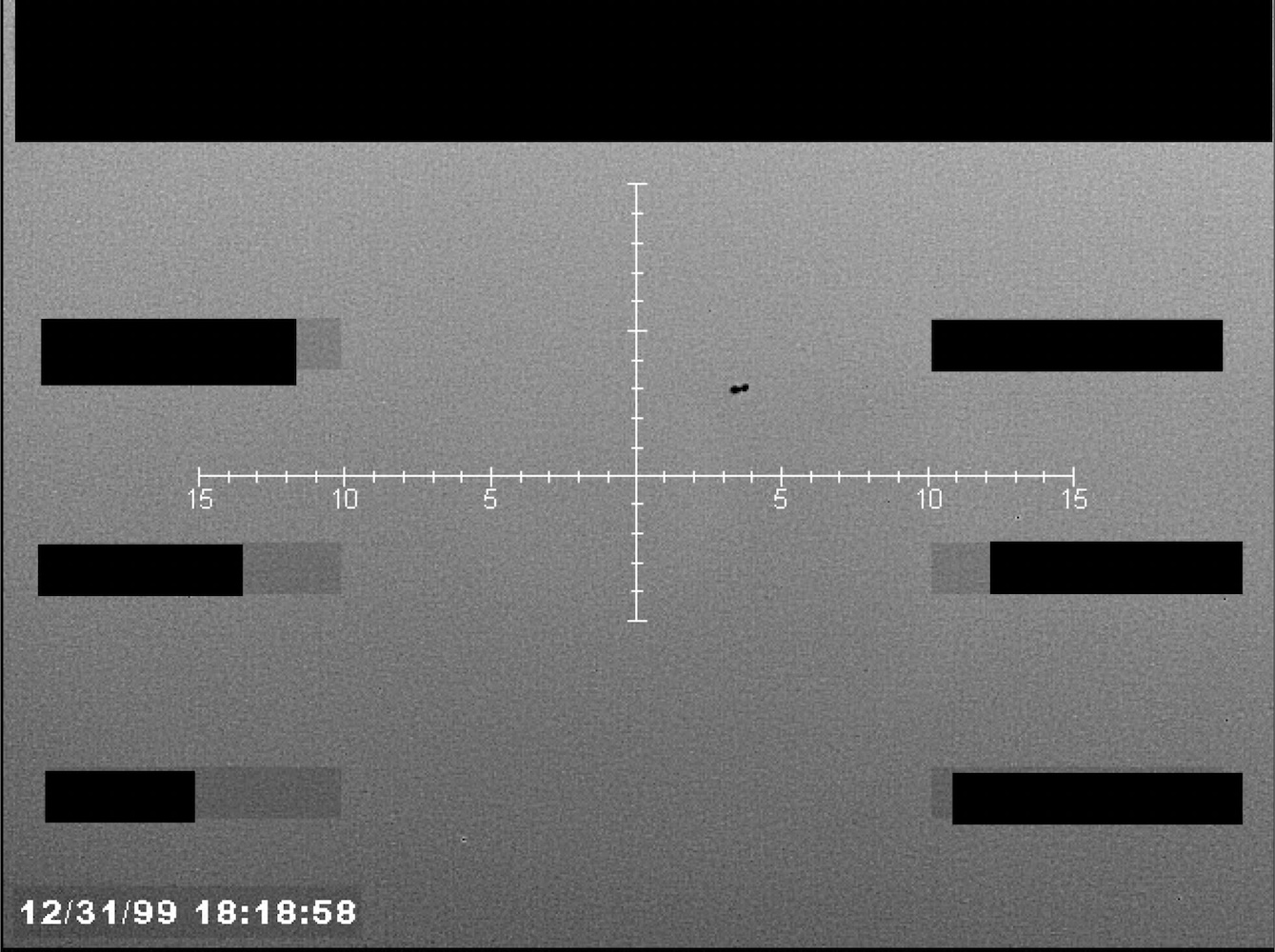
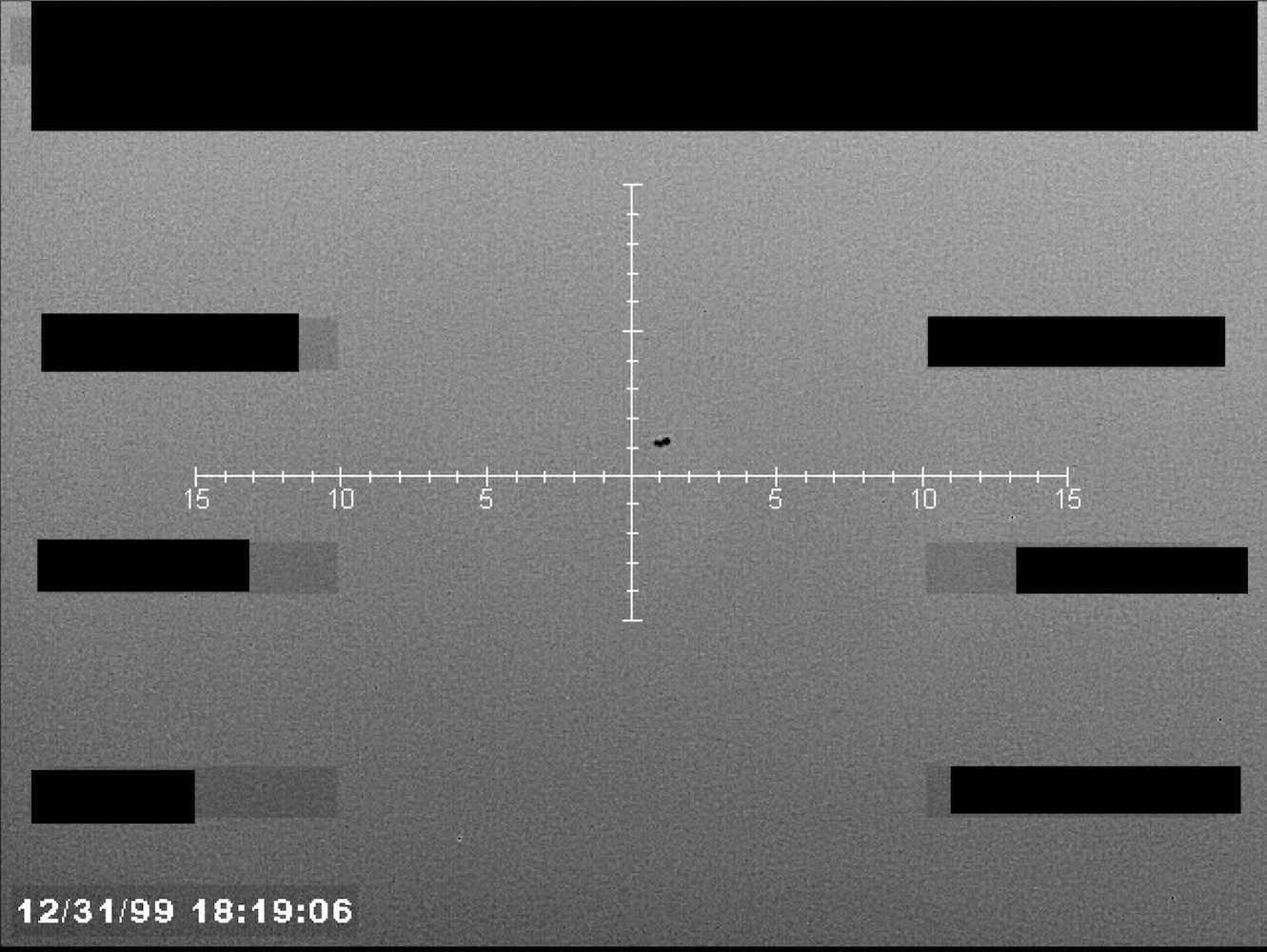
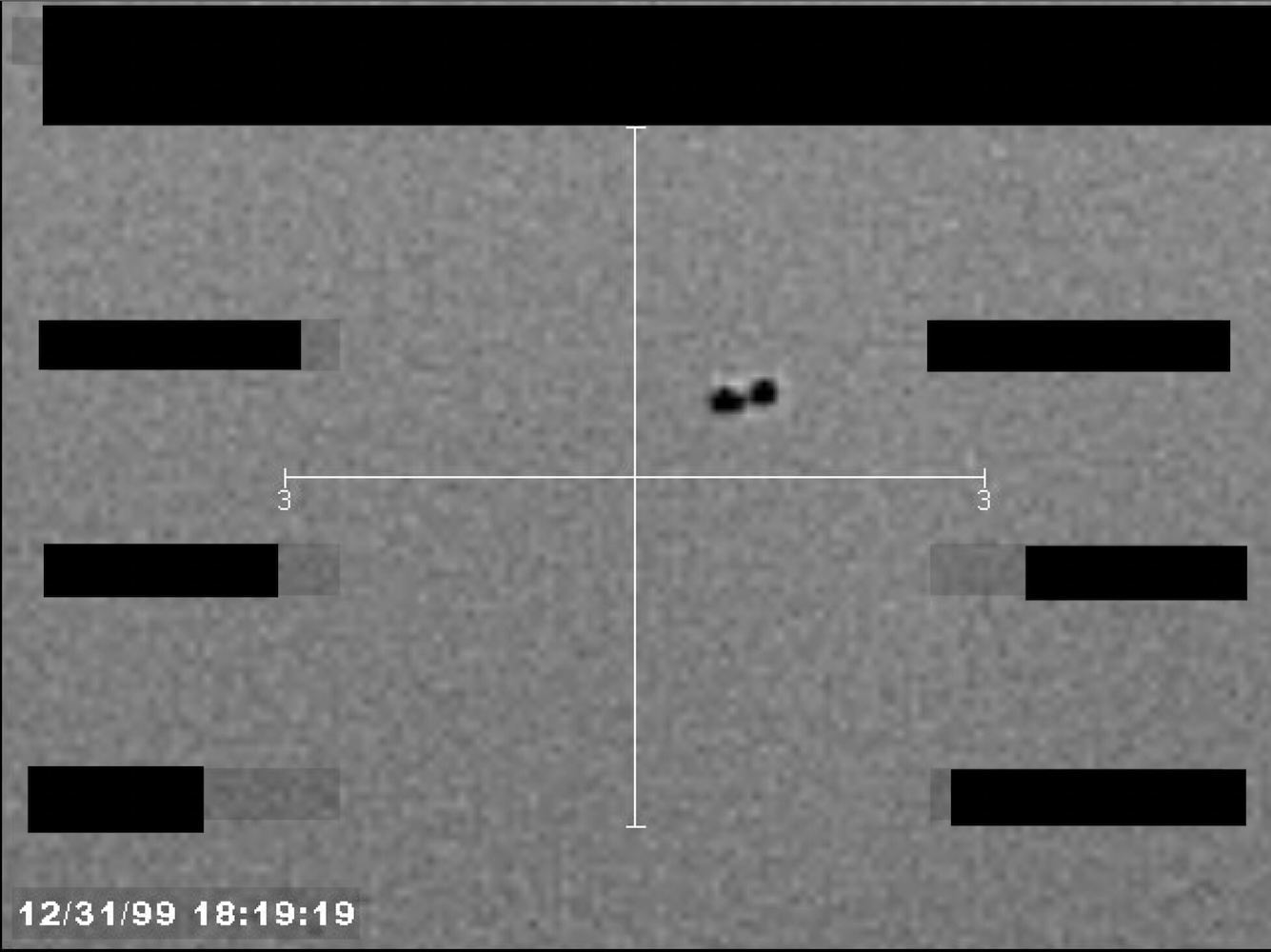
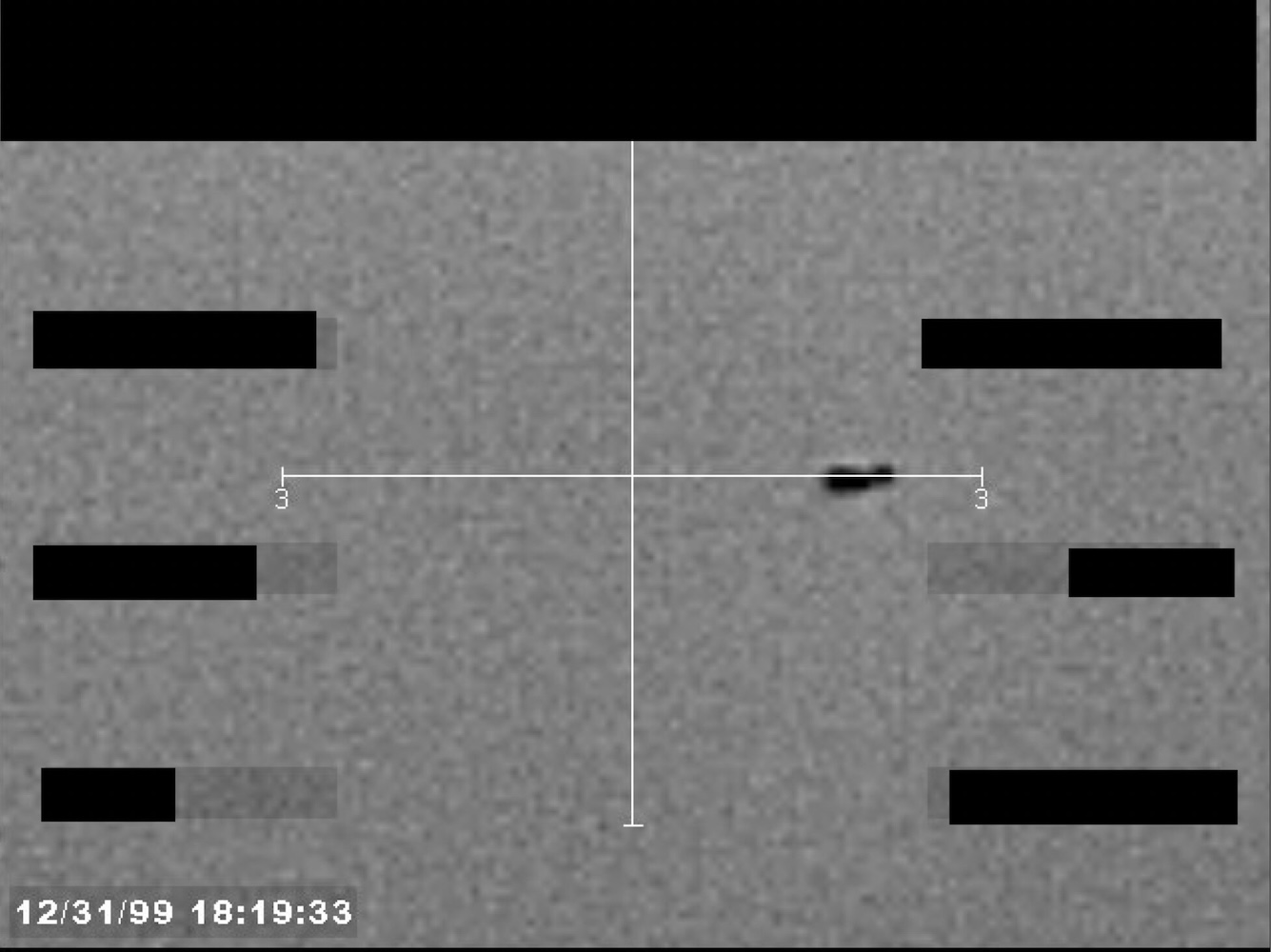
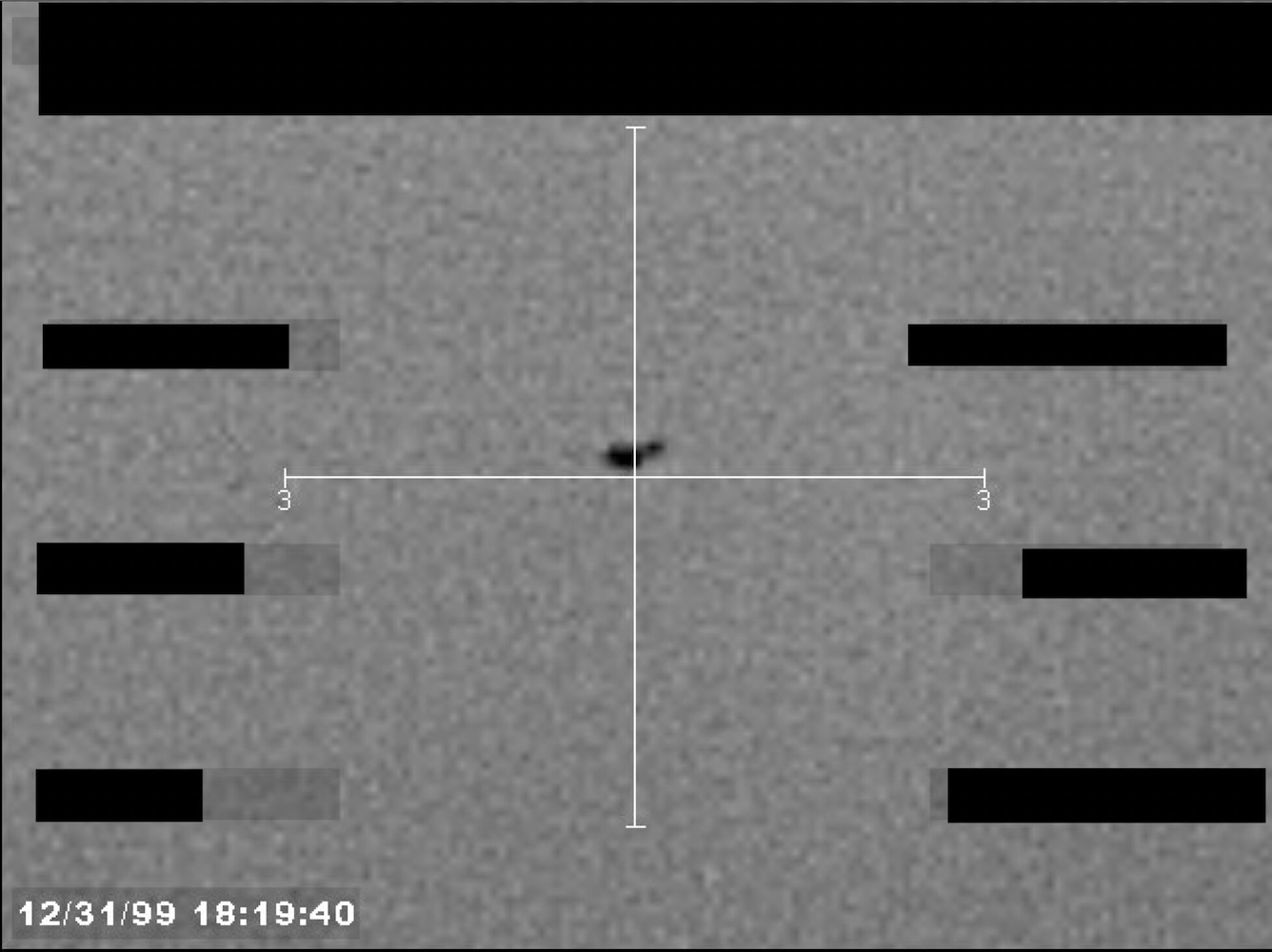
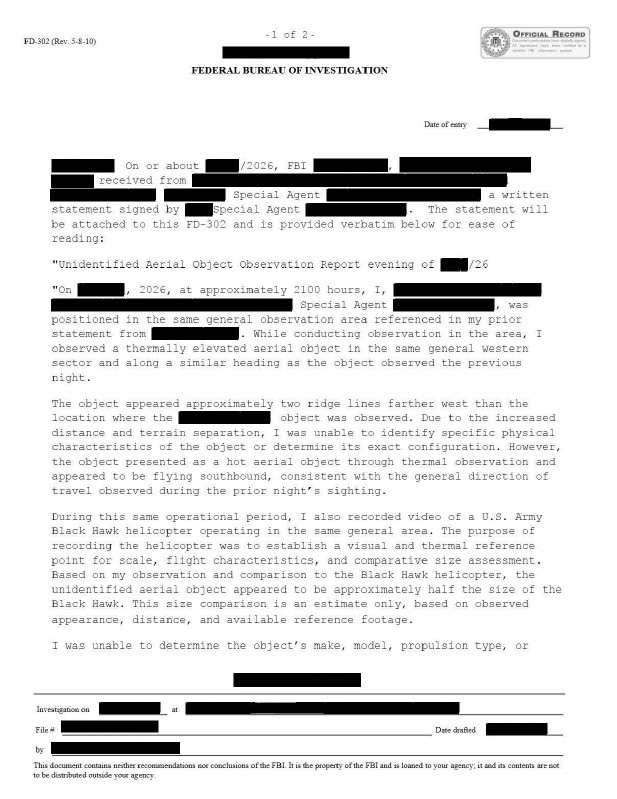
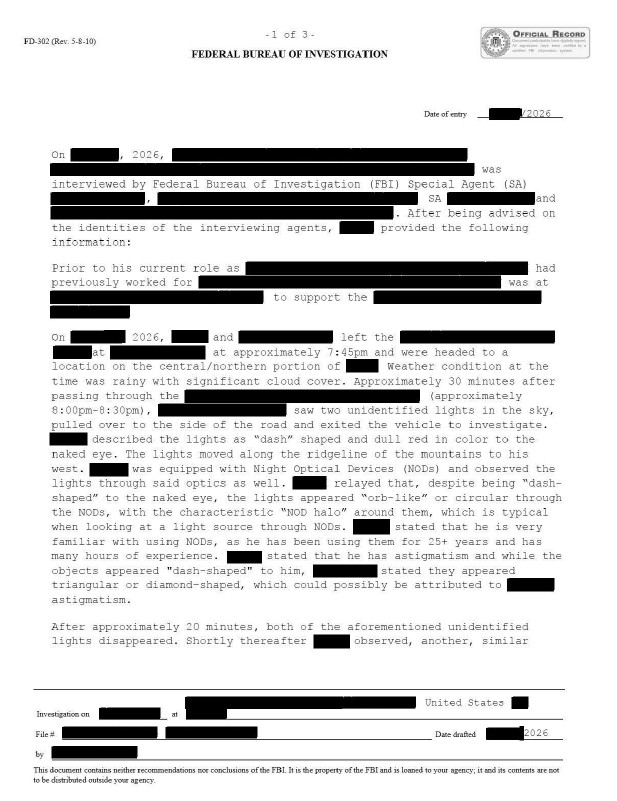
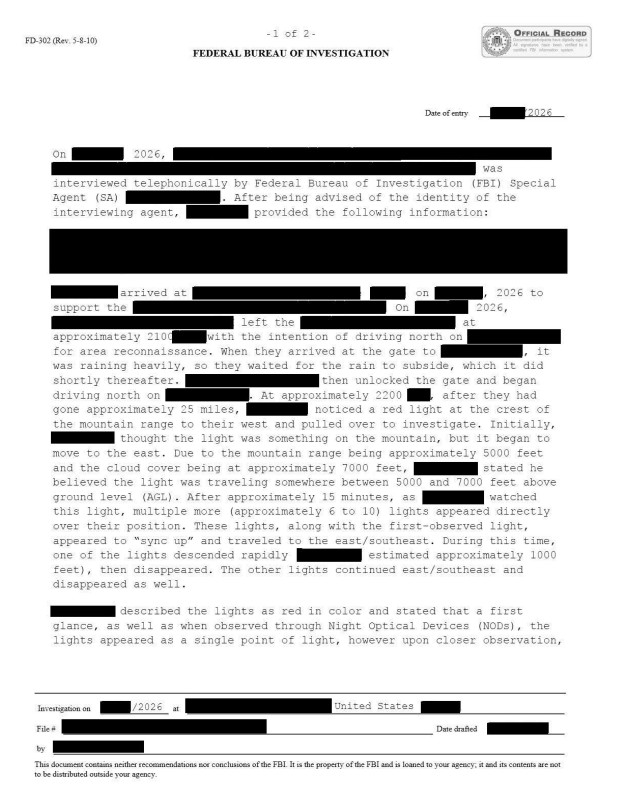
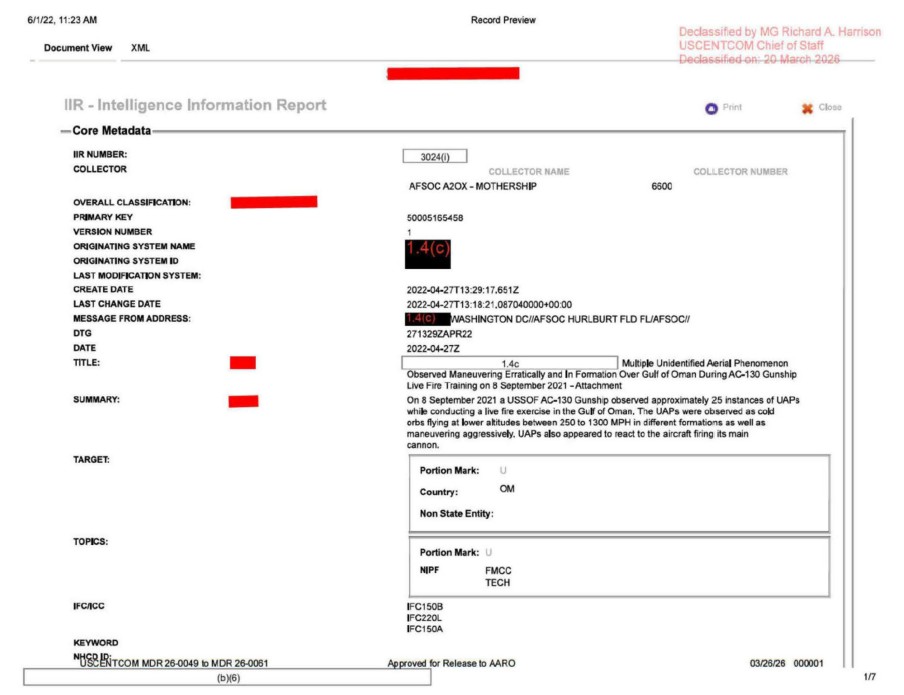
The August 7 catalog ties one Intelligence Information Report — DOW-UAP-D101 — directly to six clips, PR117–PR122. Their DVIDS descriptions say the clips were captured contemporaneously as secondary recordings of an AC-130J sensor display; PR121 and PR122 explicitly overlap. The catalog presents six playable records, but the source metadata supplies the shared provenance.
“This footage does not represent native primary sensor data, and the secondary recording method introduces limitations in fidelity, resolution, and overall visual quality.”
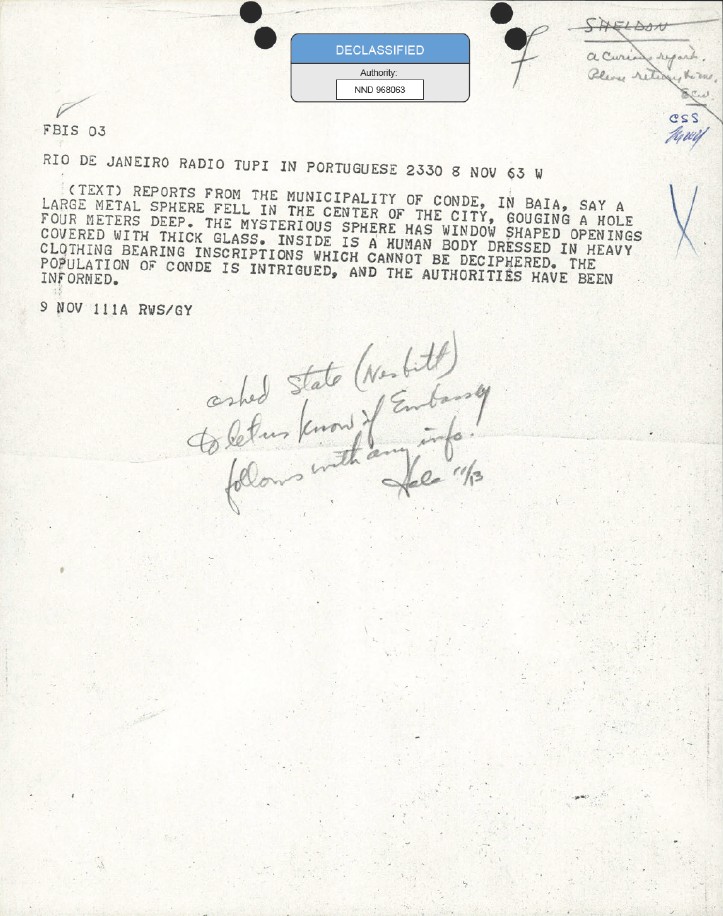
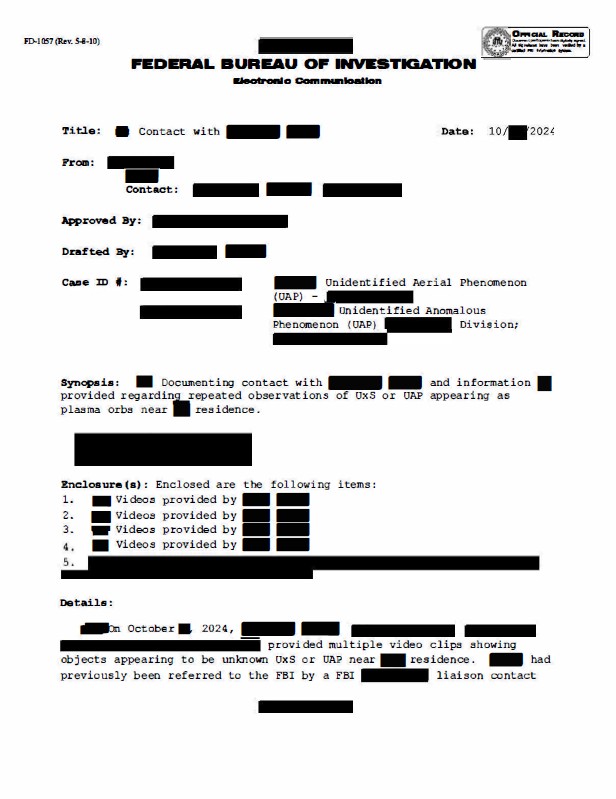
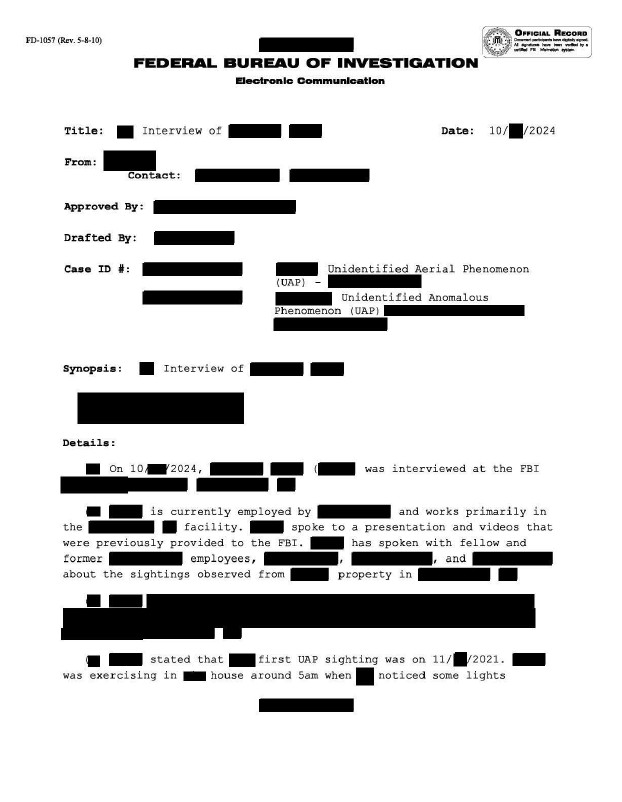
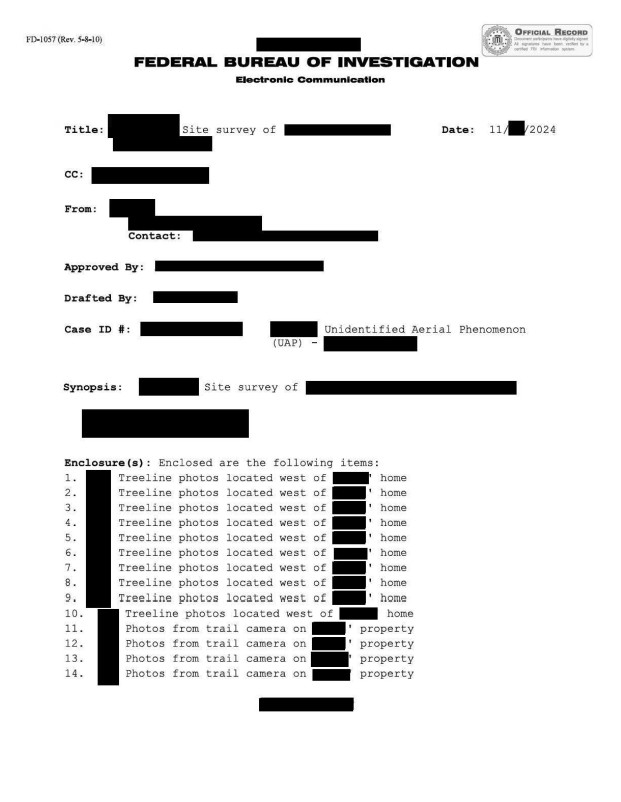
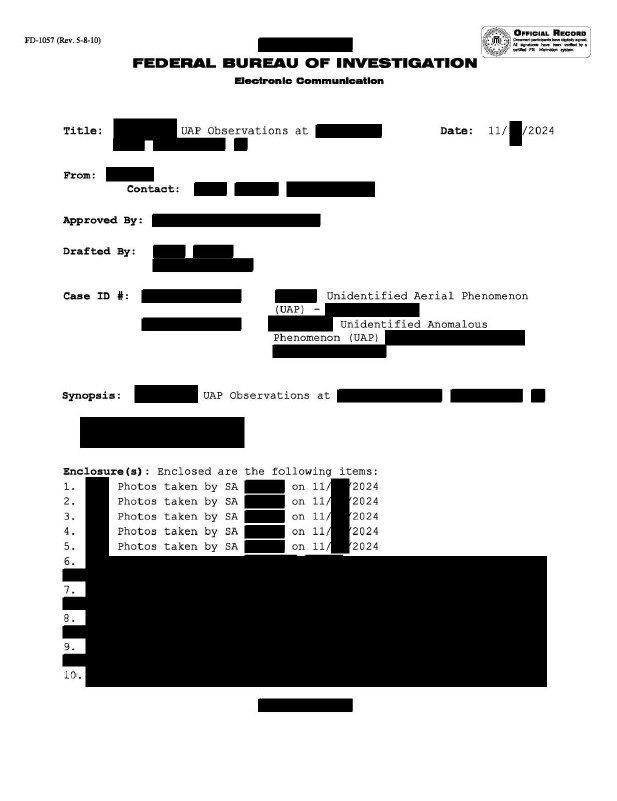
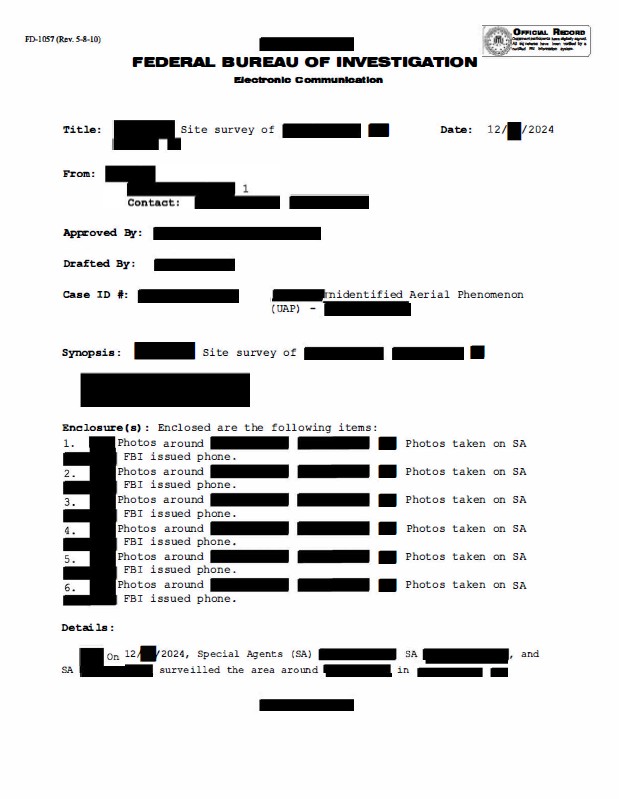
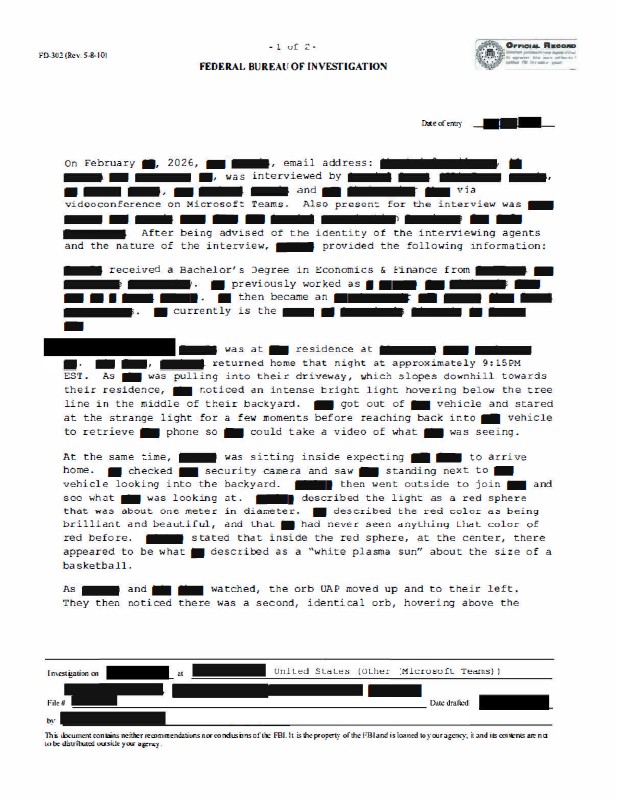
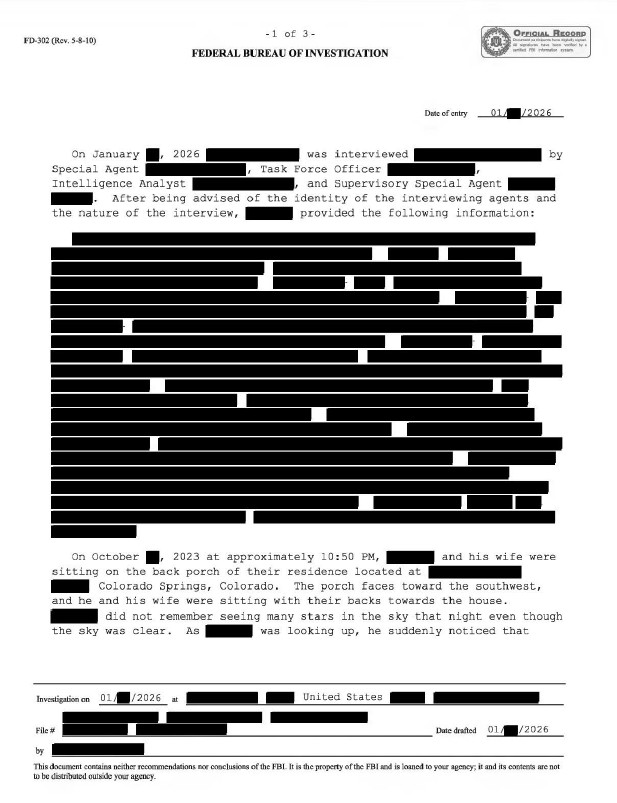
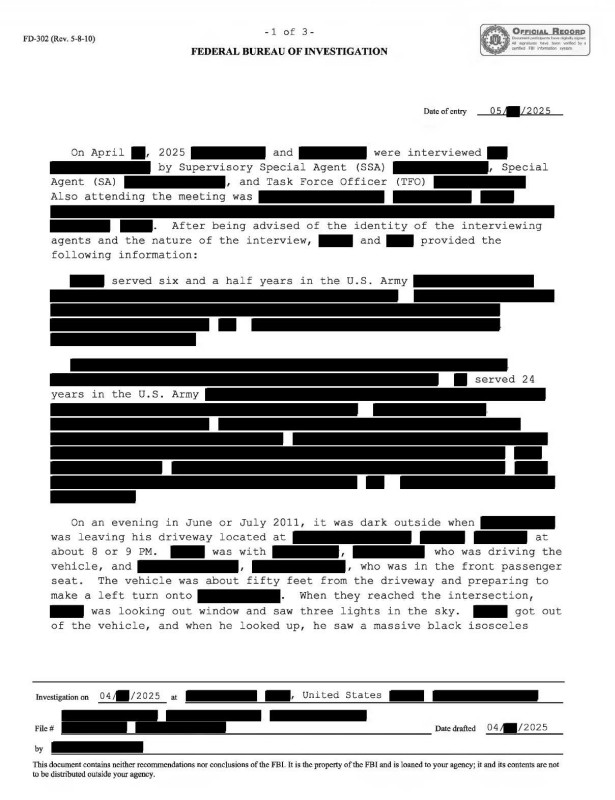
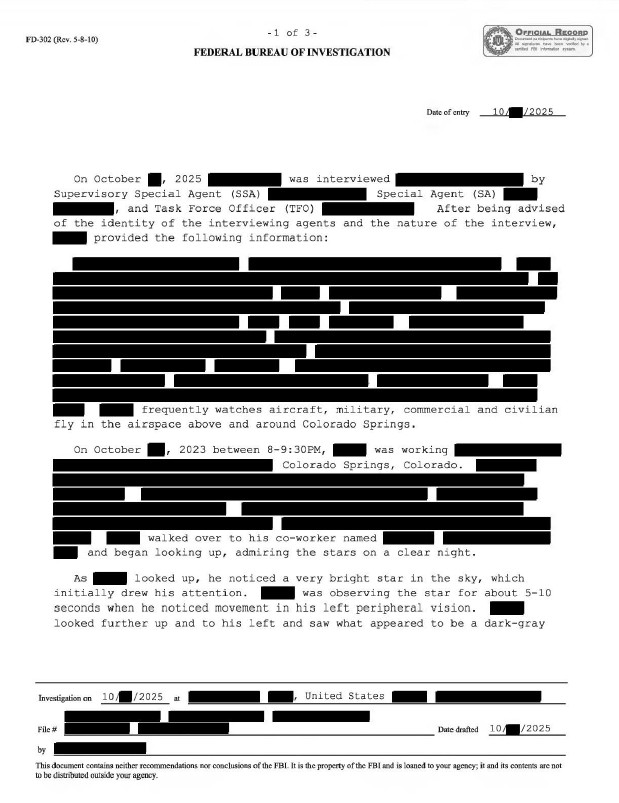
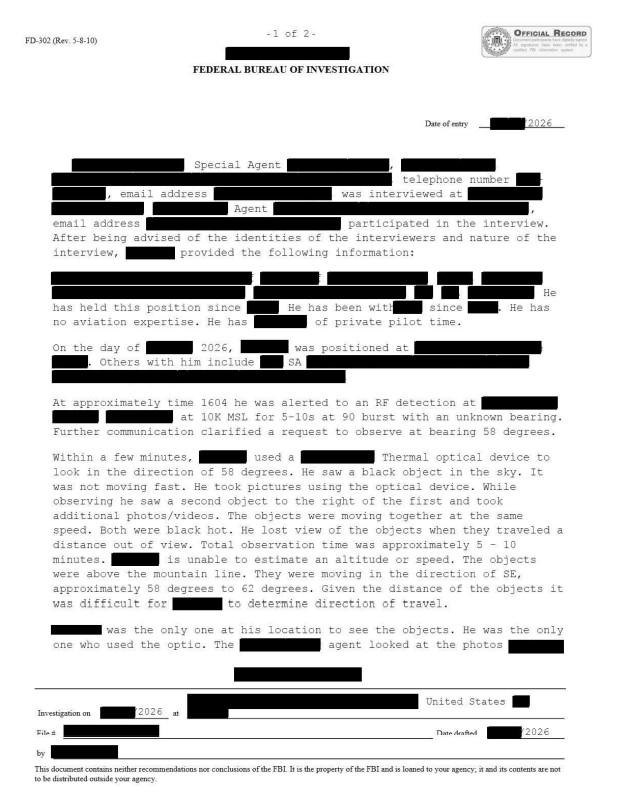
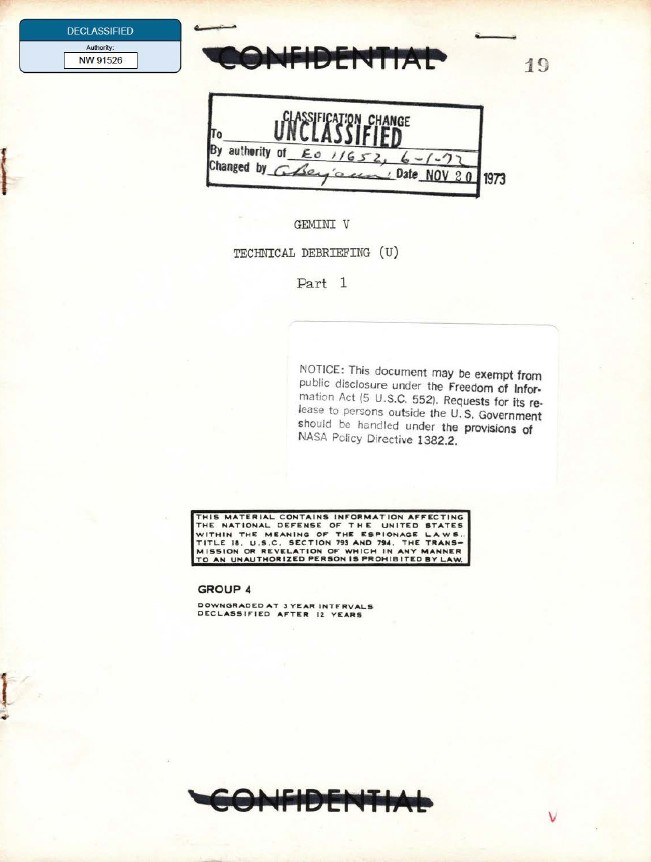
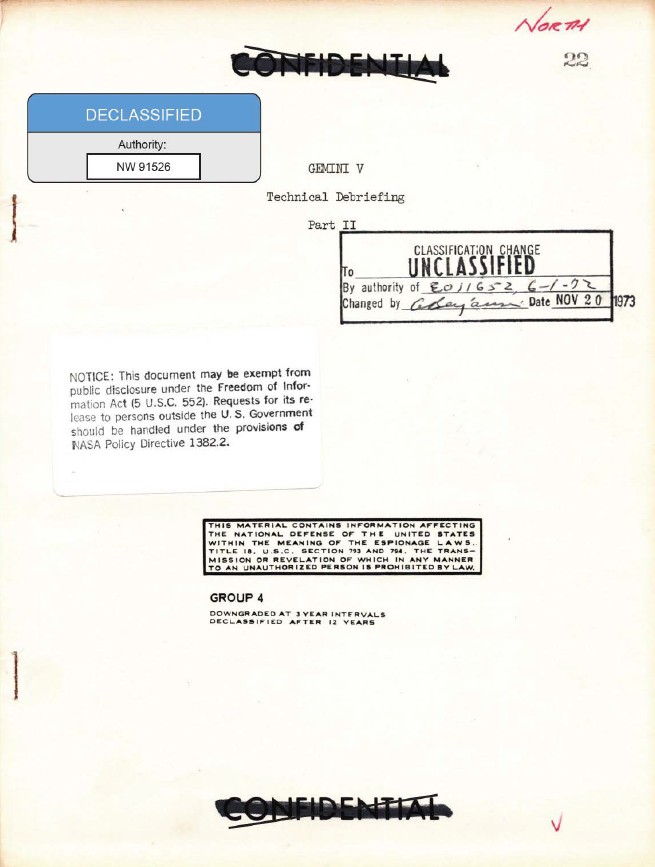
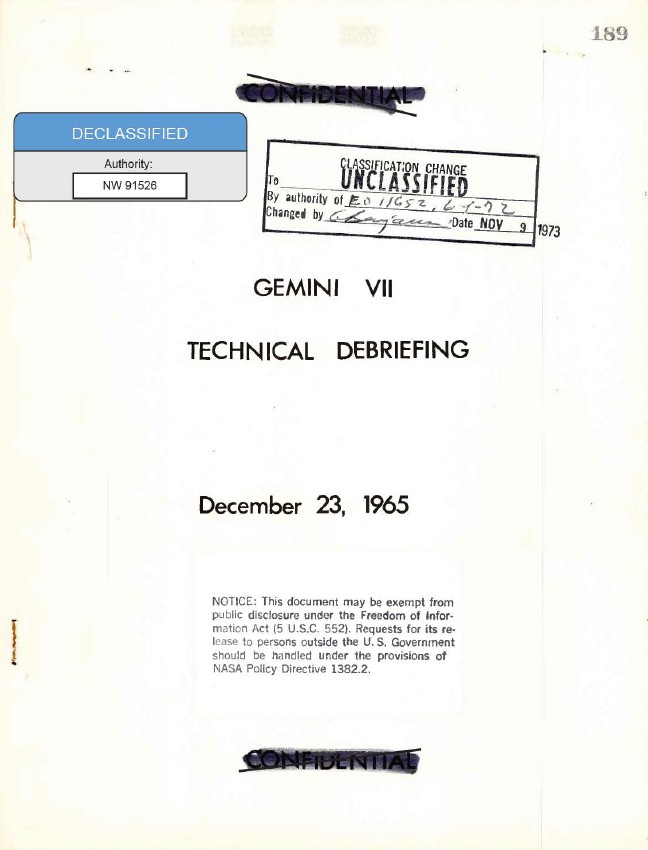
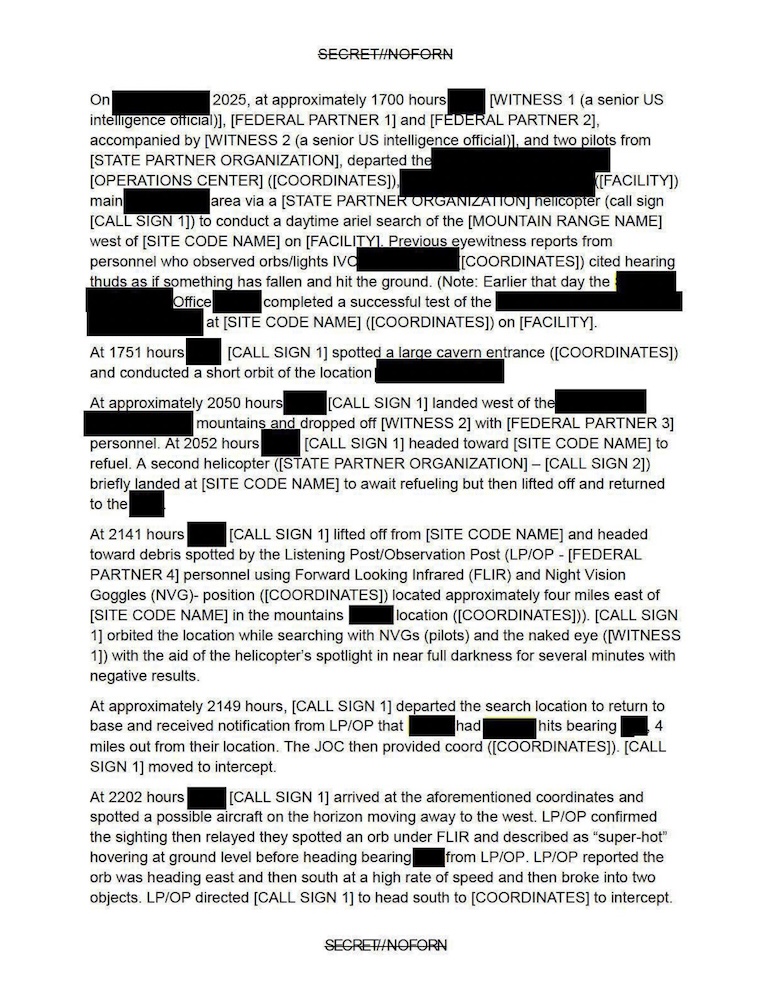
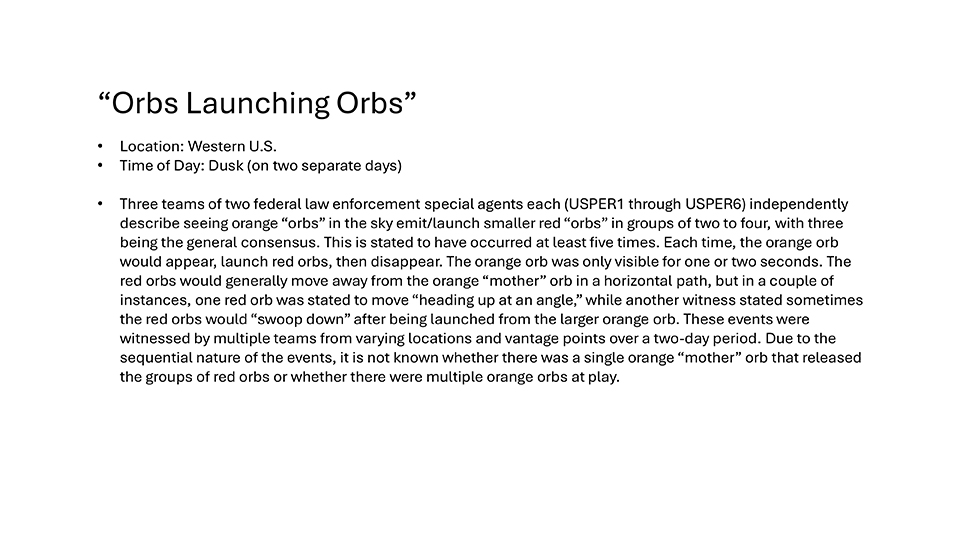
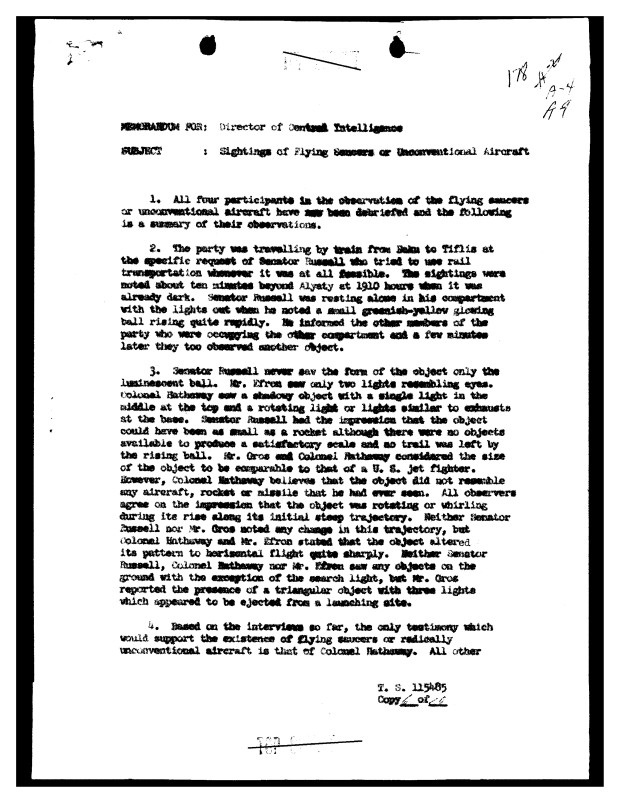
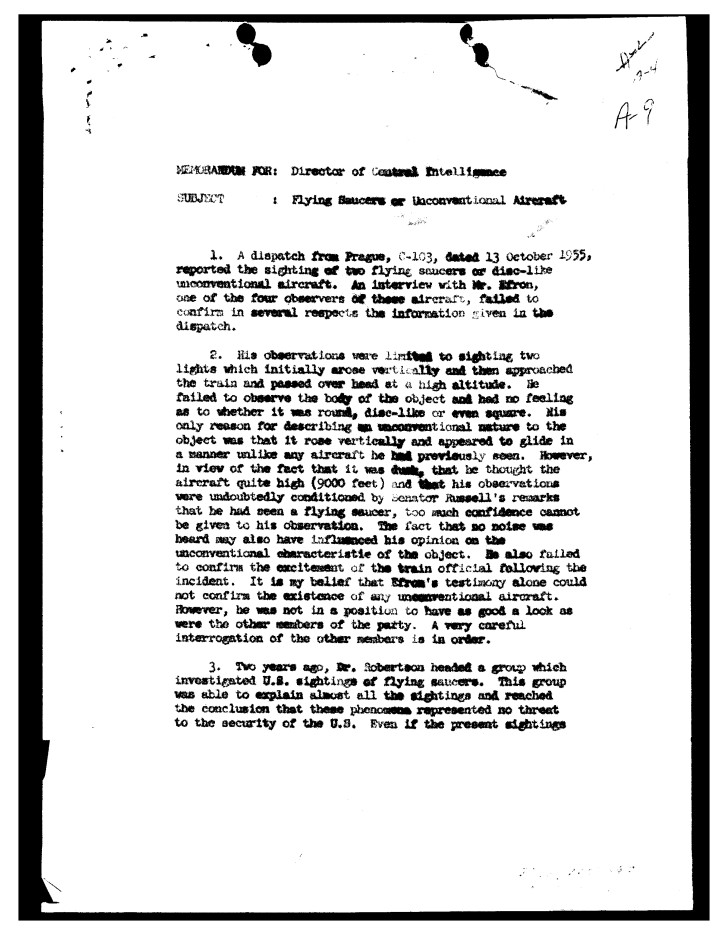
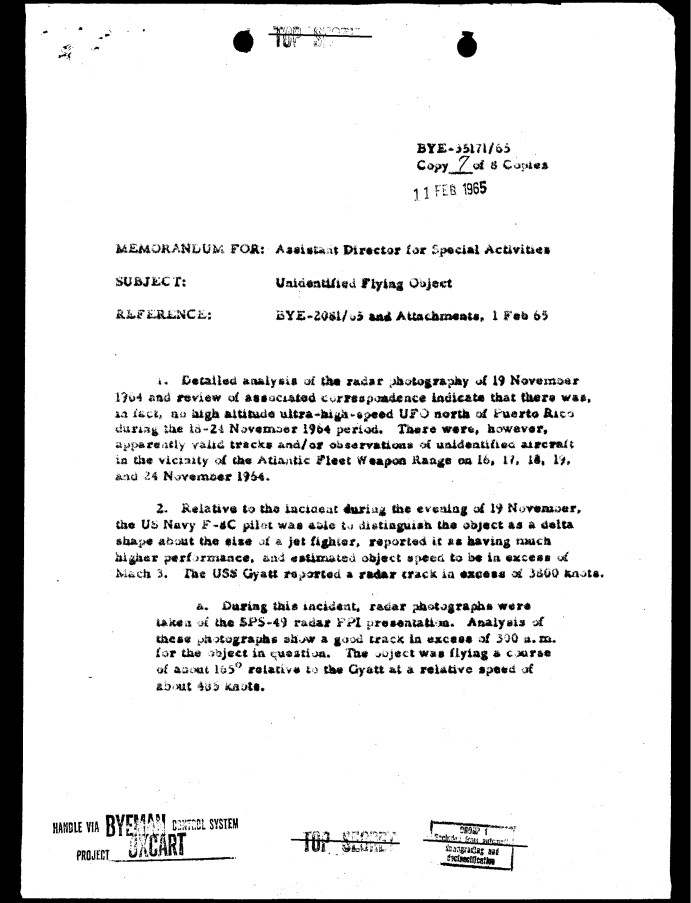
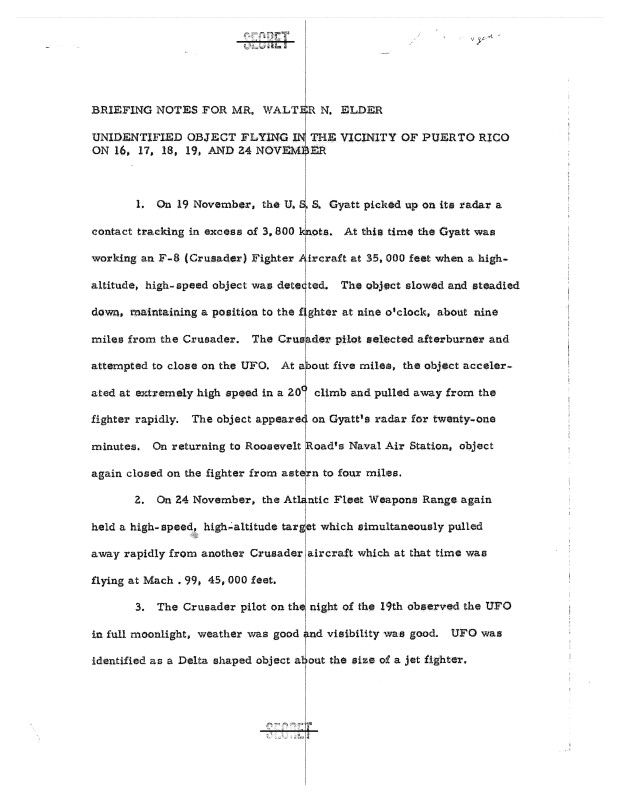
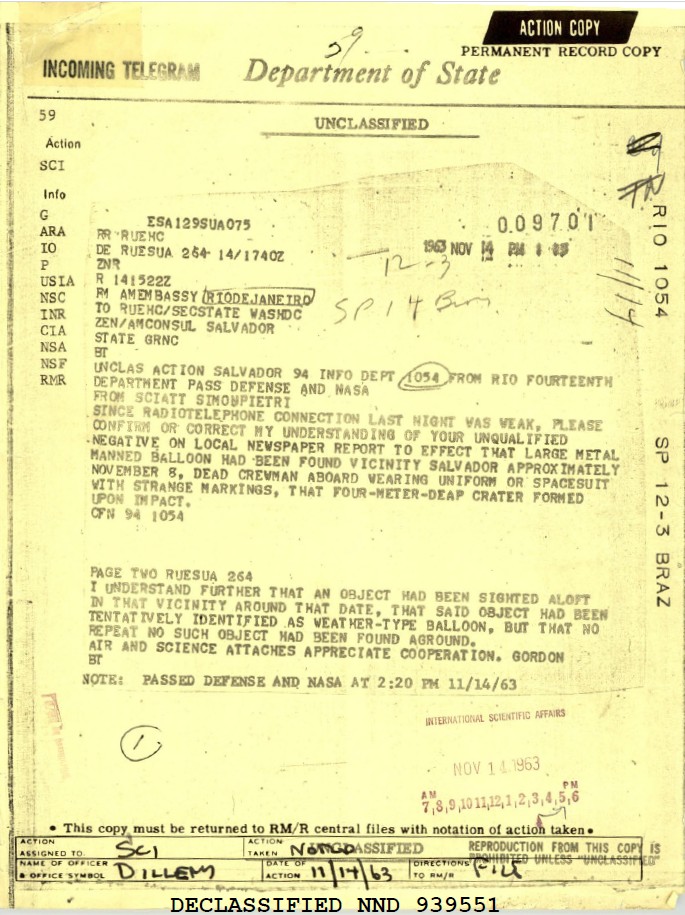
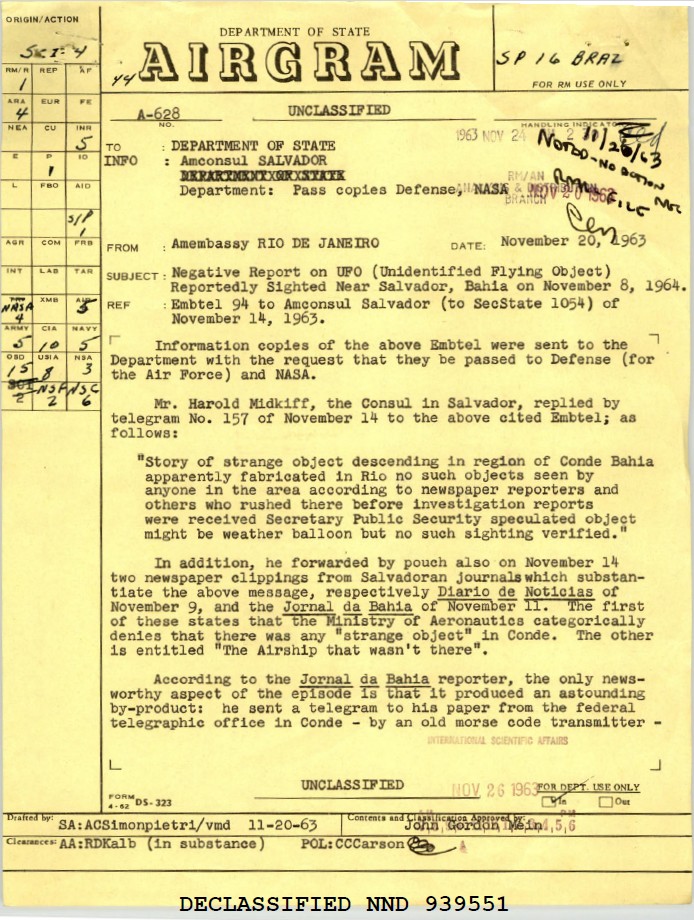
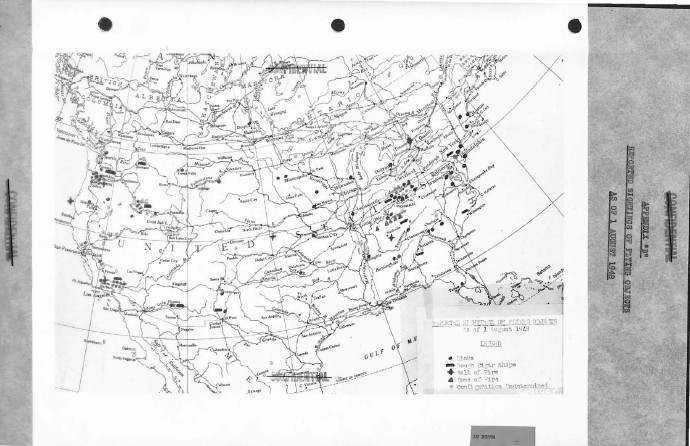
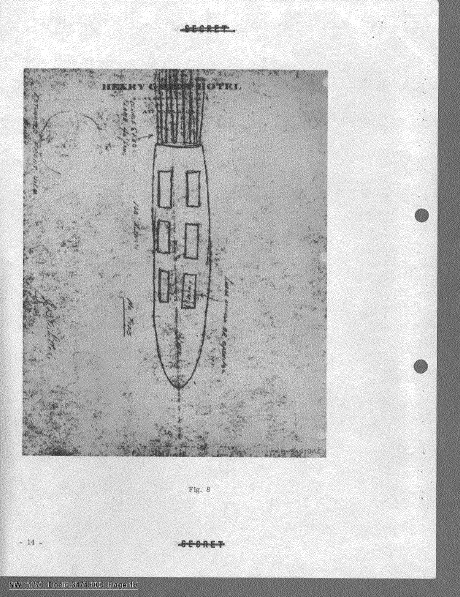
Release 05 adds 41 records— bringing the PURSUE archive to 375. It includes 22 PDFs, three FBI image records, and 16 videos: a five-part Pacific Ocean 2019 group, four Middle East clips, FBI's 2026 “Slow-moving Objects” reconstruction, historical DoW files, CIA Puerto Rico briefing material, and State Department Bahia correspondence.
What the official catalog doesn't show.
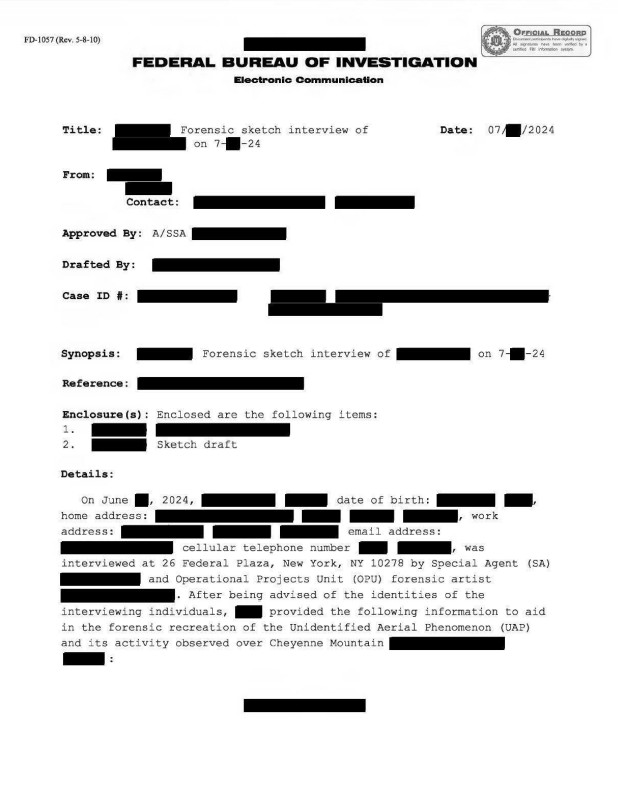
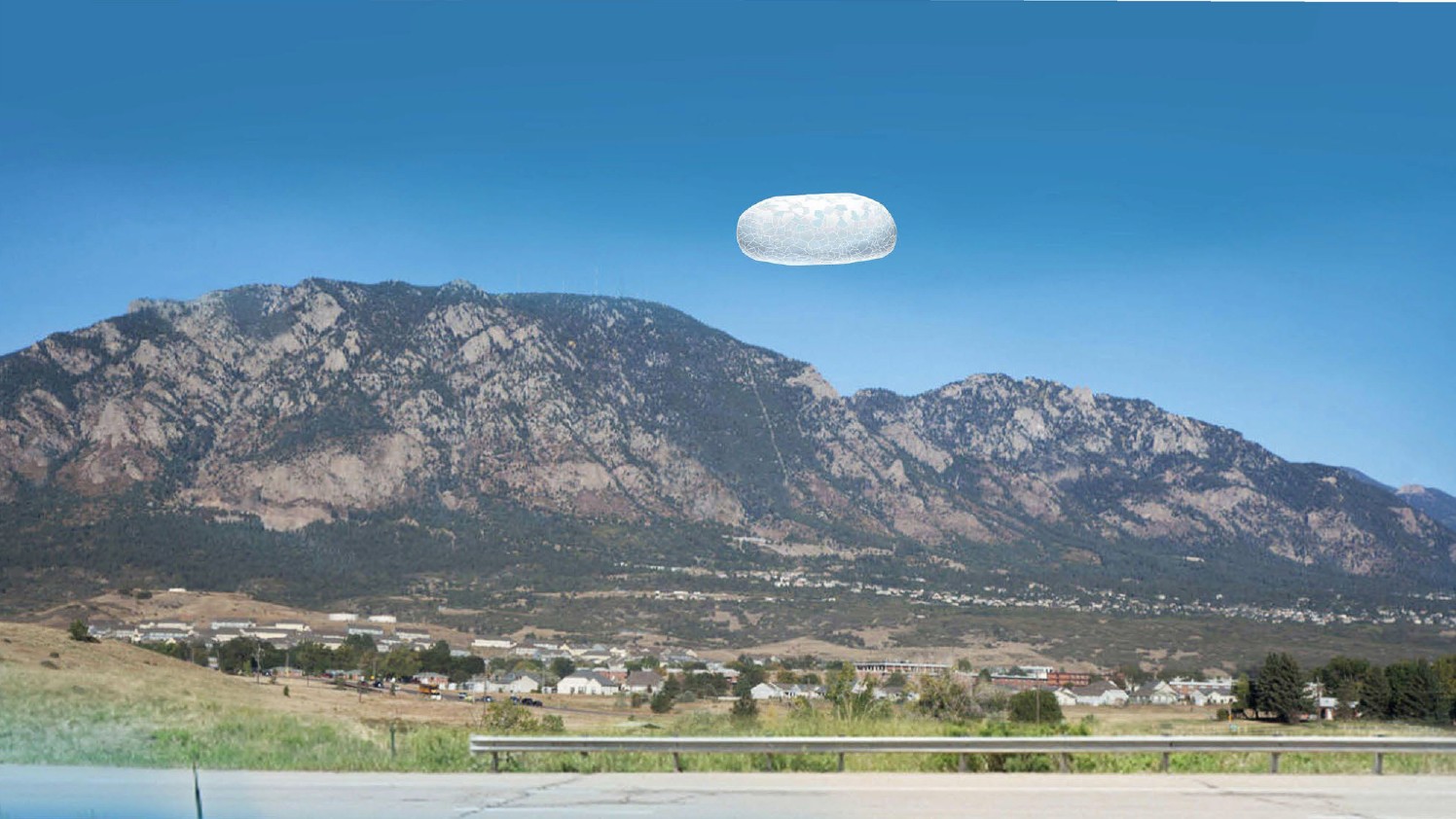
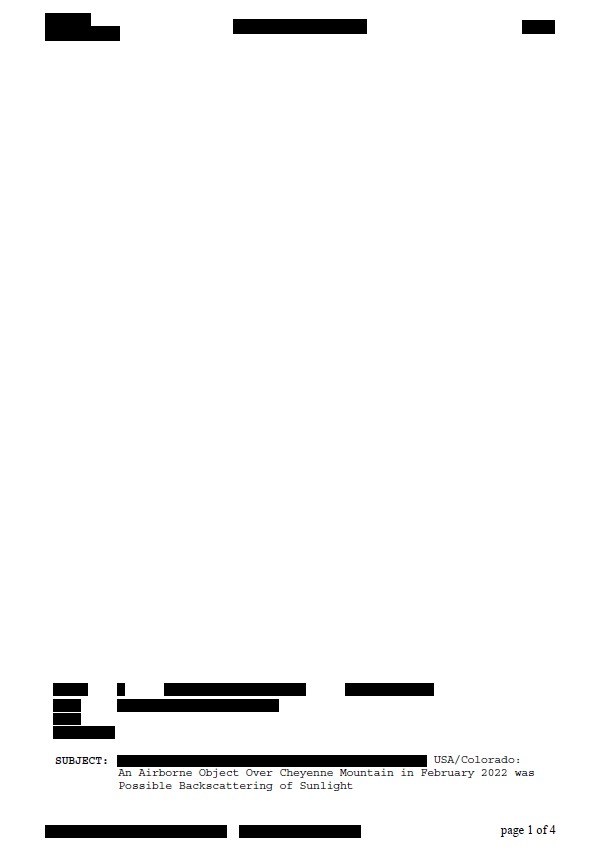
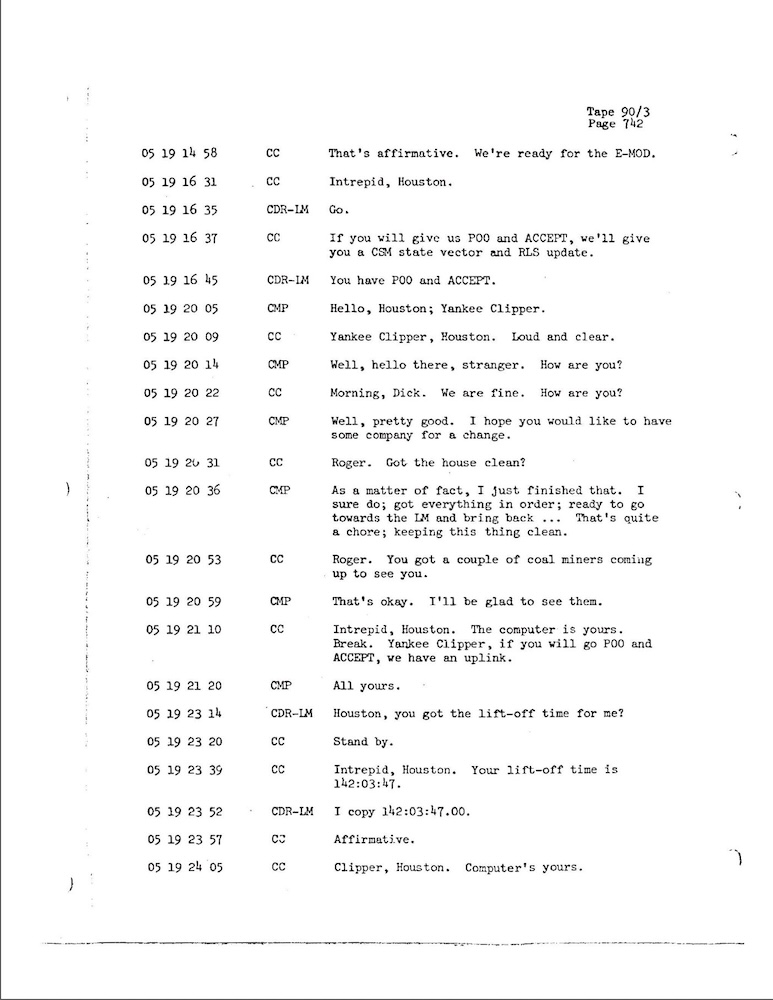
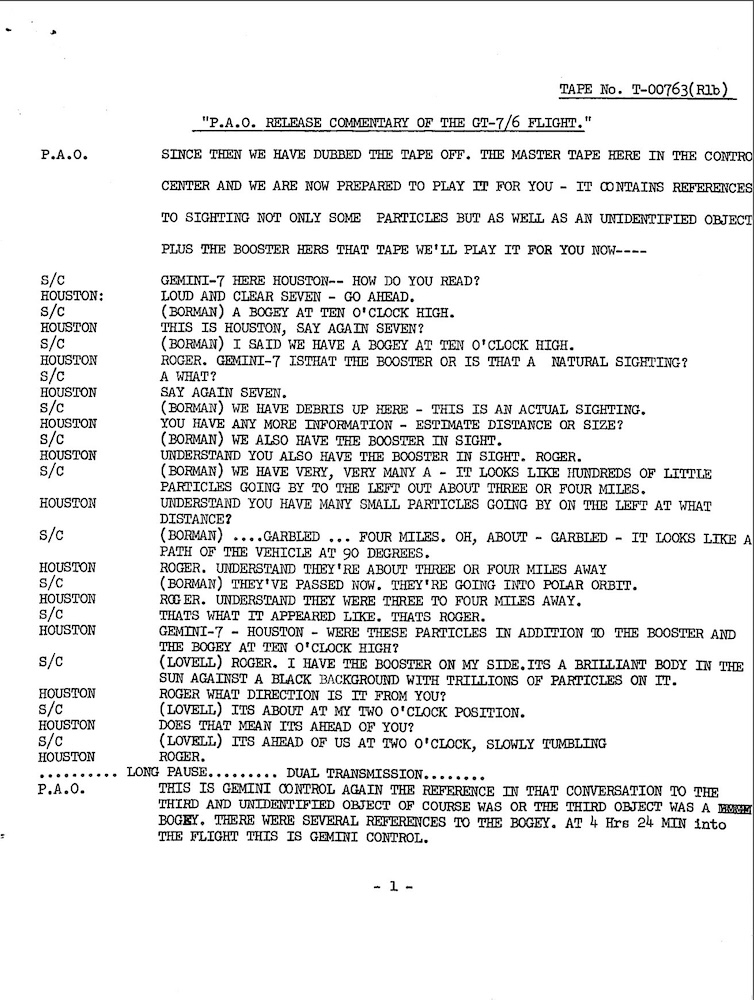
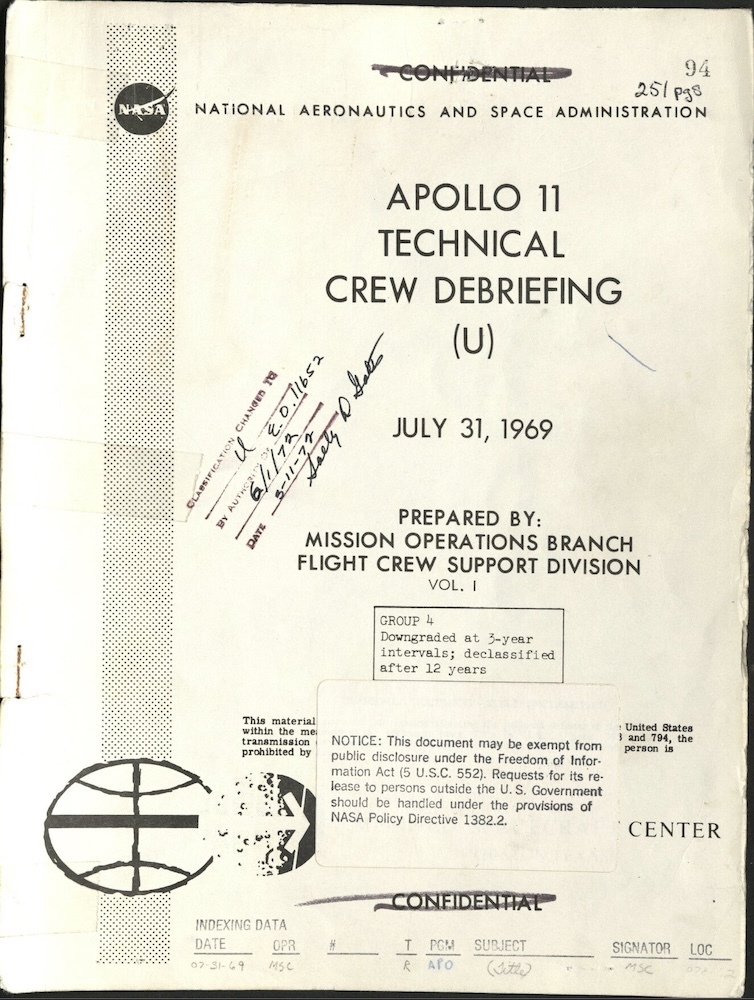
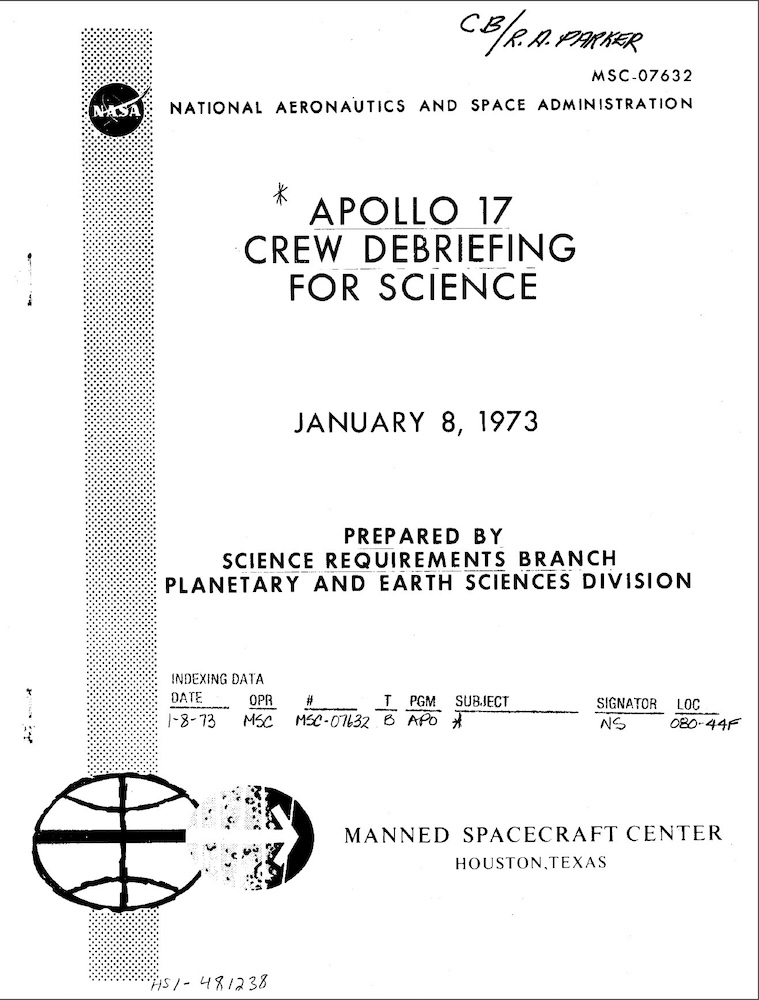
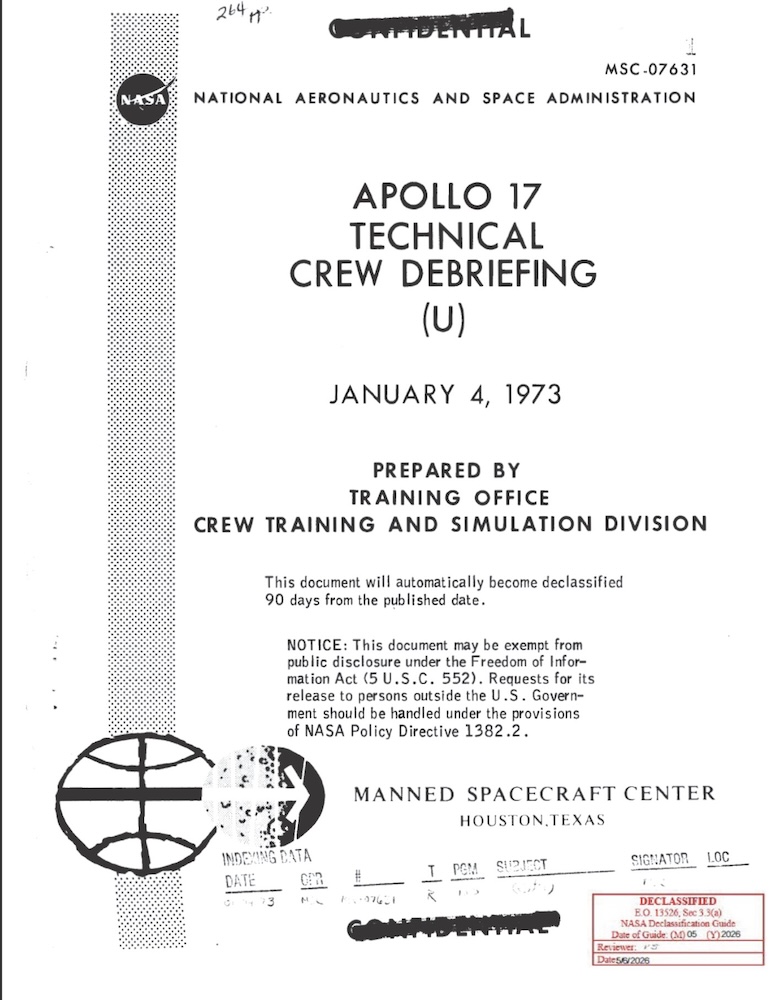
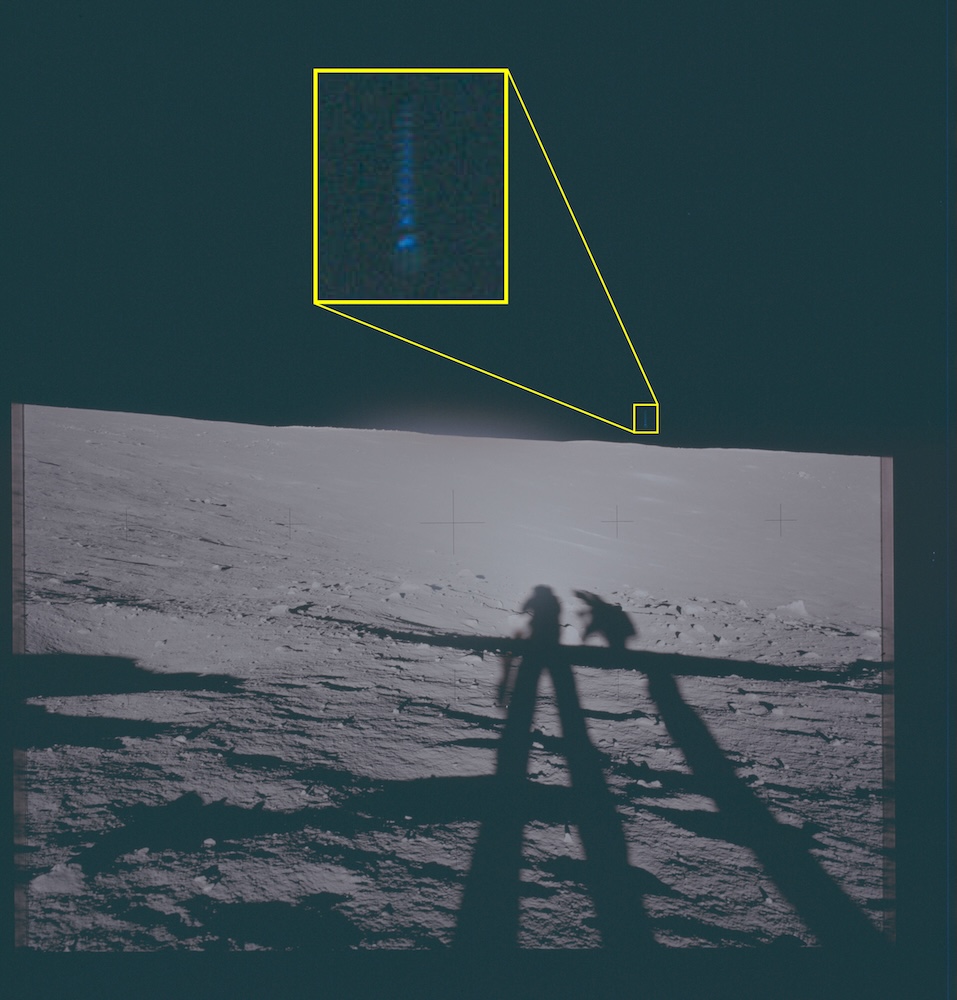
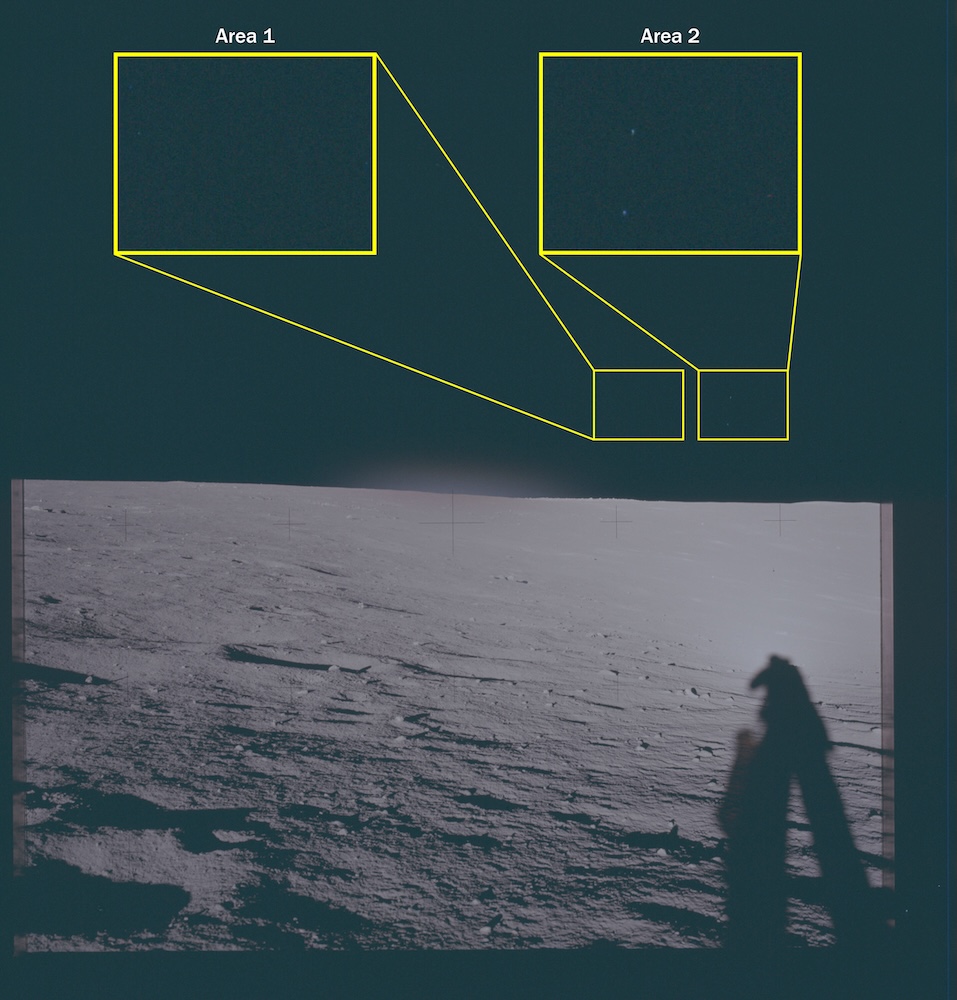
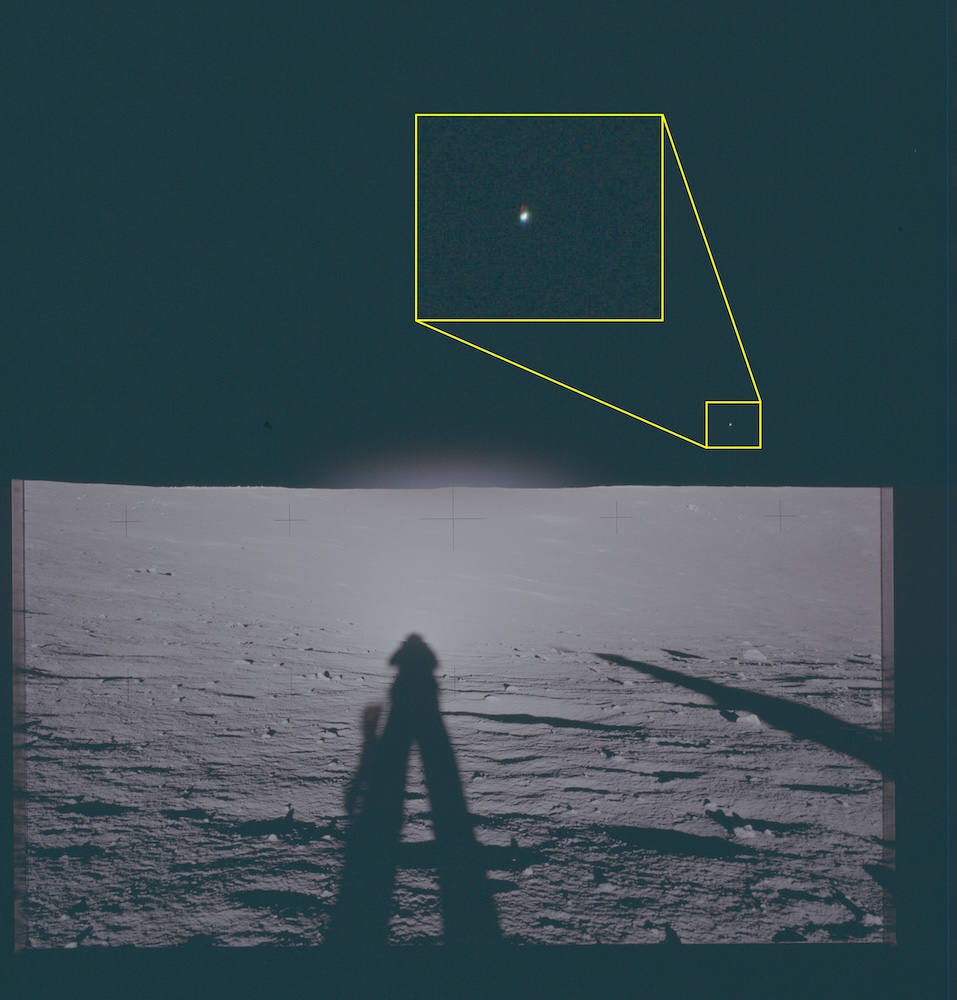
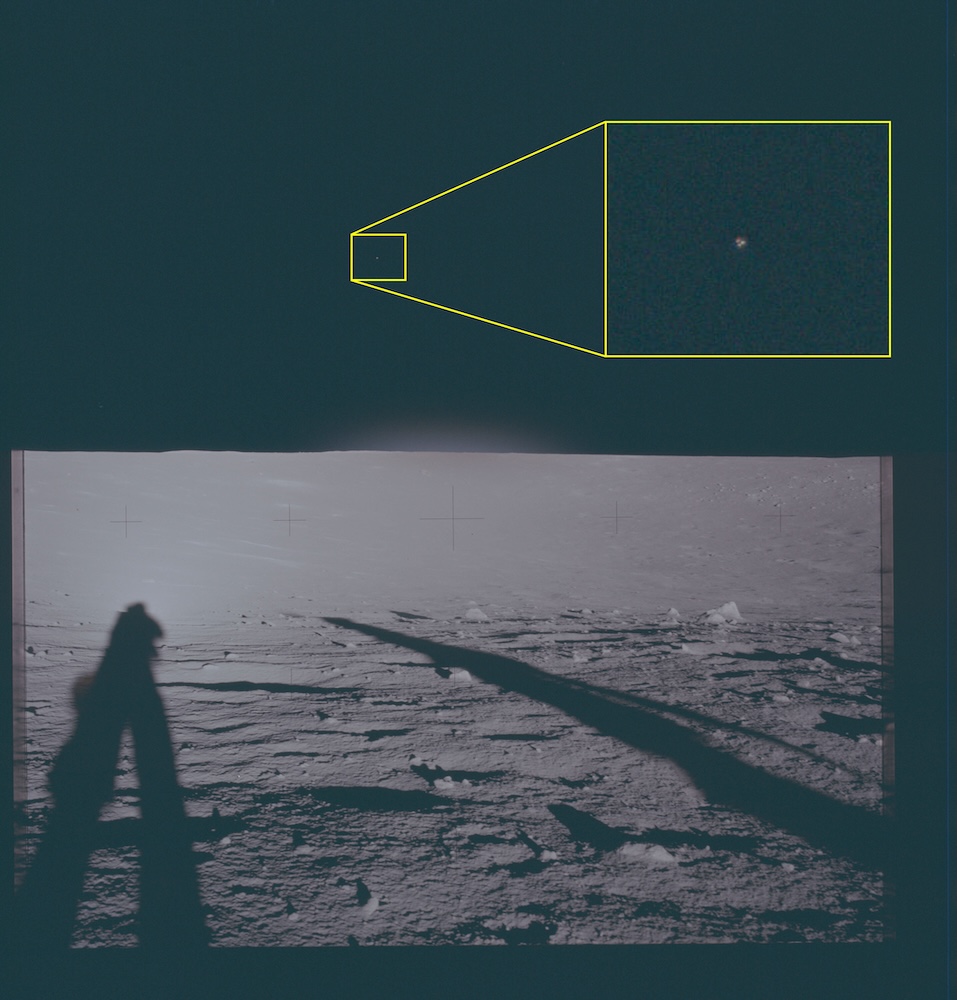
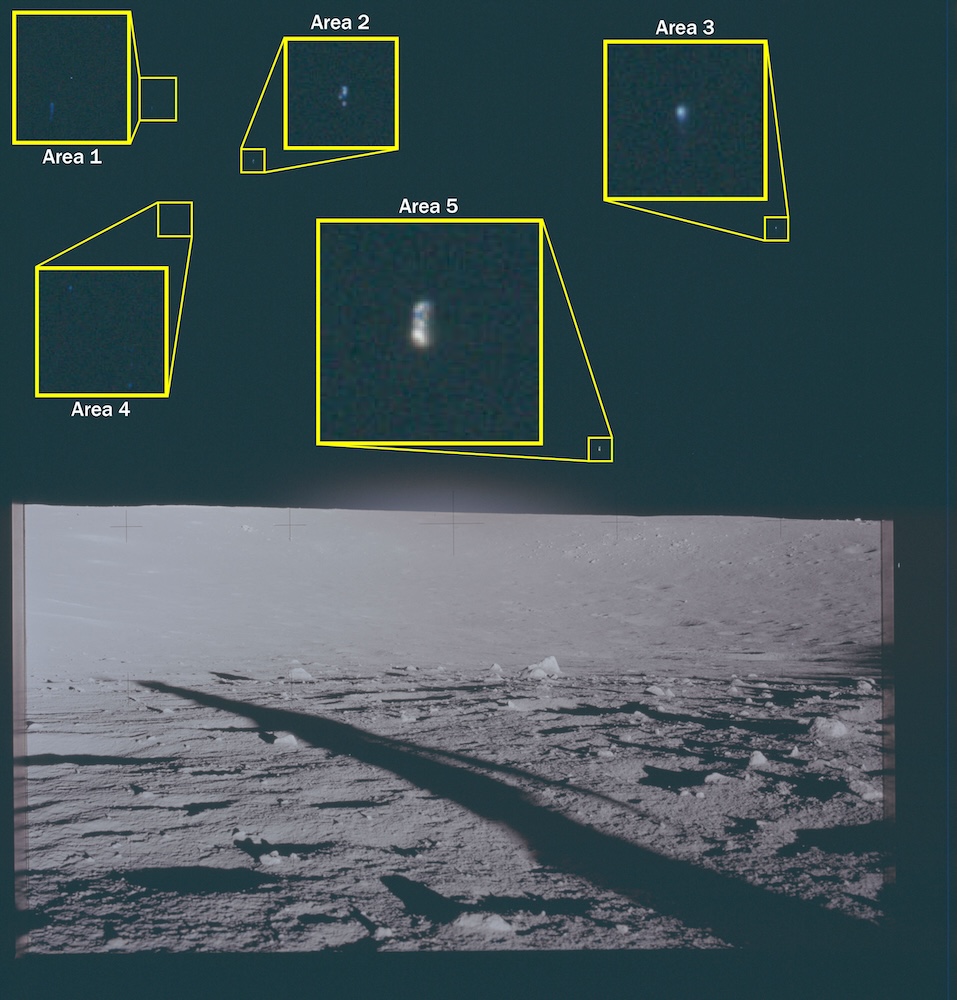
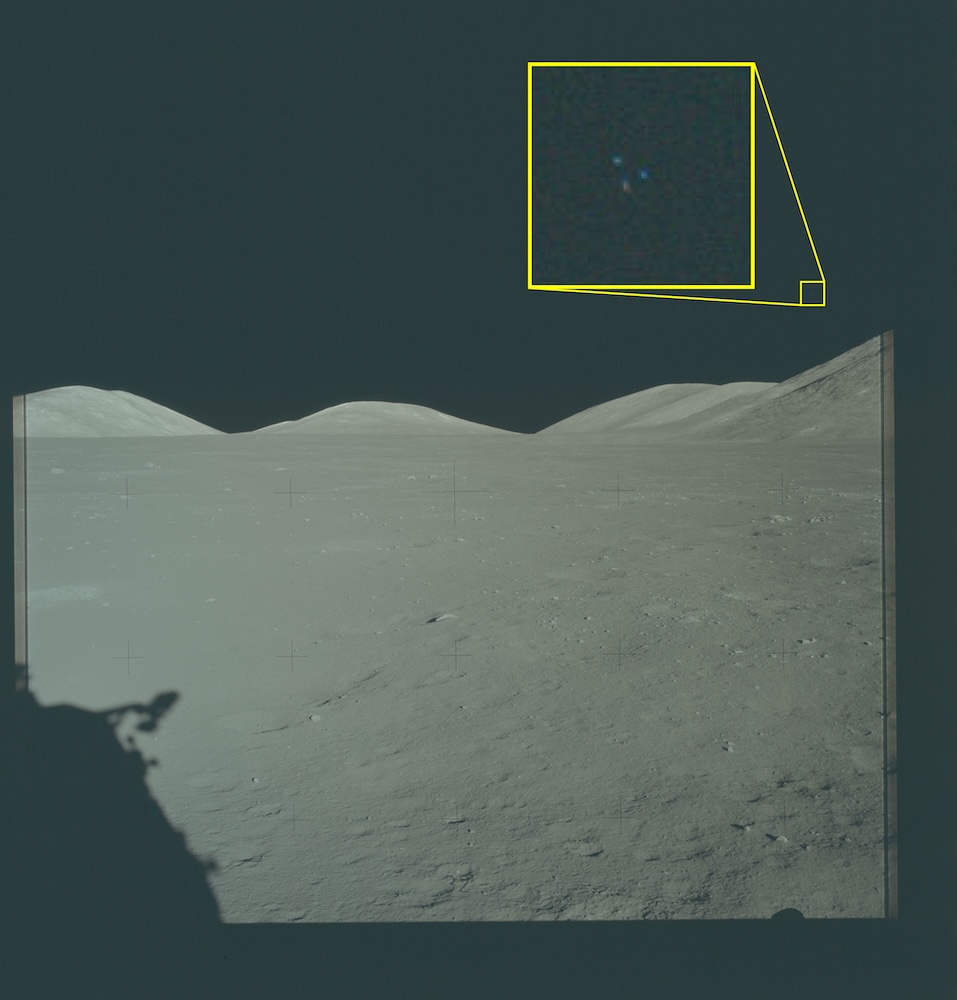
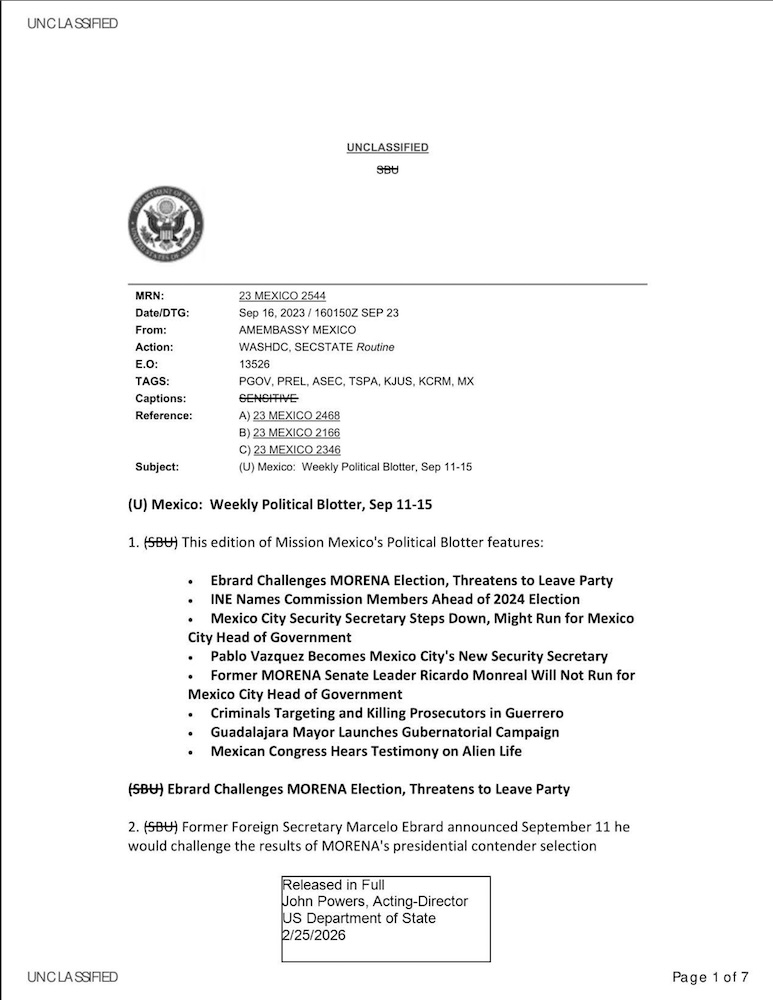
Independent analysis of the released PDFs and DVIDS metadata surfaces 42verifiable observations the official UI doesn't expose — an Apollo 16 timecode pointing at the phrase “could be an alien starbase,” a 1962 Cronkite × Gordon Cooper UFO interview, AARO calling the Colorado Springs UAP an “angular, non-symmetrical potato,” misattributed countries, byte-identical duplicates, archive shelfmarks, and the one video that wasn't scrubbed.
Between May 25 and May 27, 2026, the Department of War silently republished 69 PDFs without a public announcement
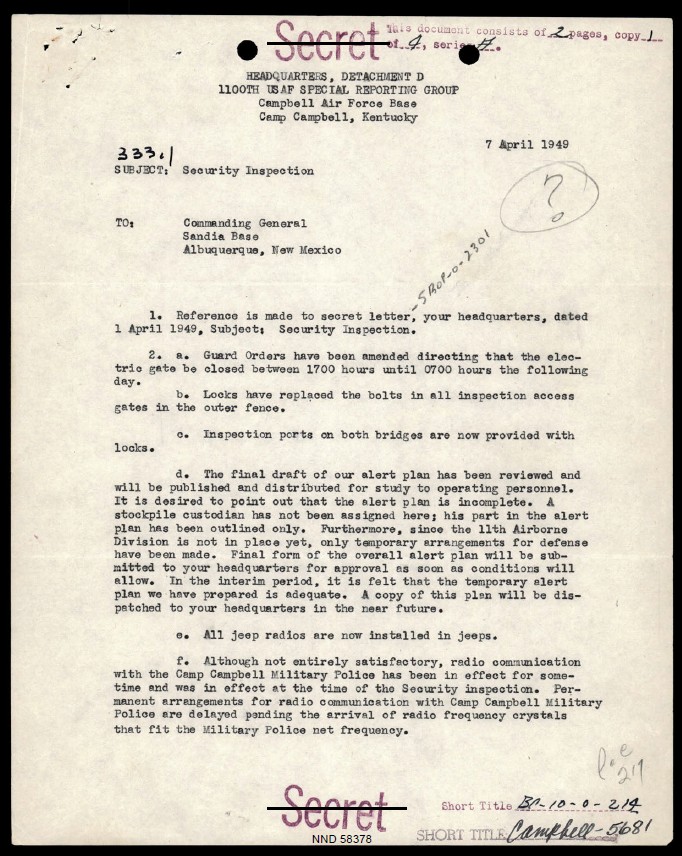
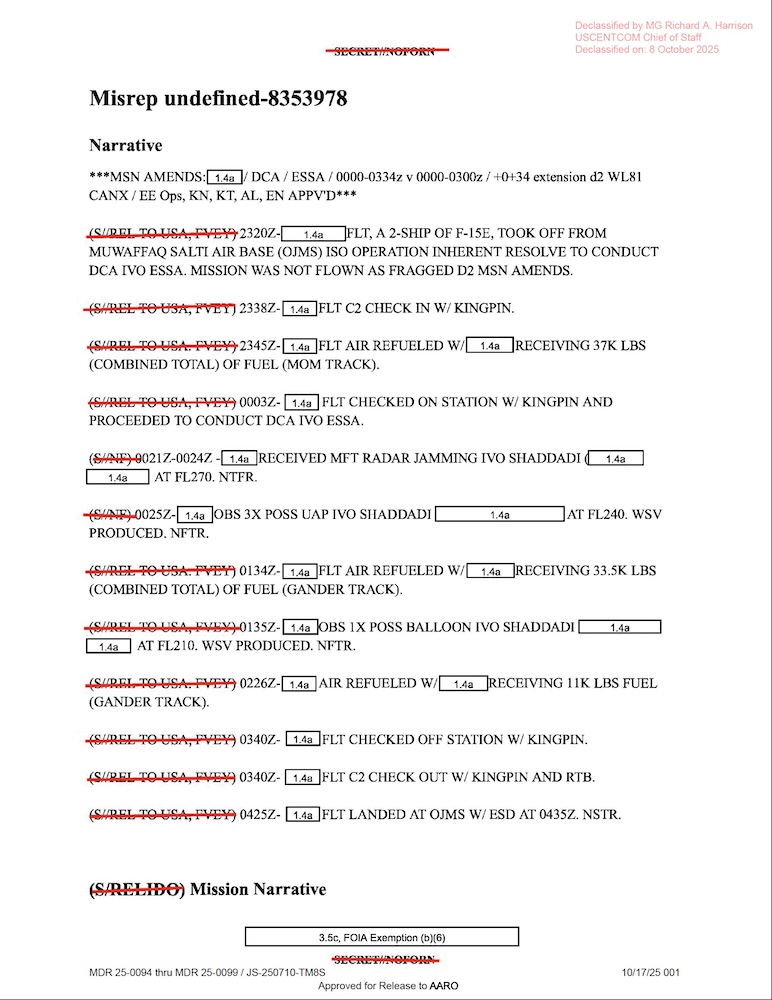
A byte-level diff between a snapshot of the war.gov/UFO/ archive captured on 2026-05-25 and the live state on 2026-05-27 shows 69 PDFs and 1 thumbnail with completely different MD5 hashes from the originals. The CSV manifest still lists exactly 222 records and only one of them (`ODNI-UAP-D001`) carries a public correction note explaining the change. The other 68 file replacements are undocumented anywhere on war.gov.
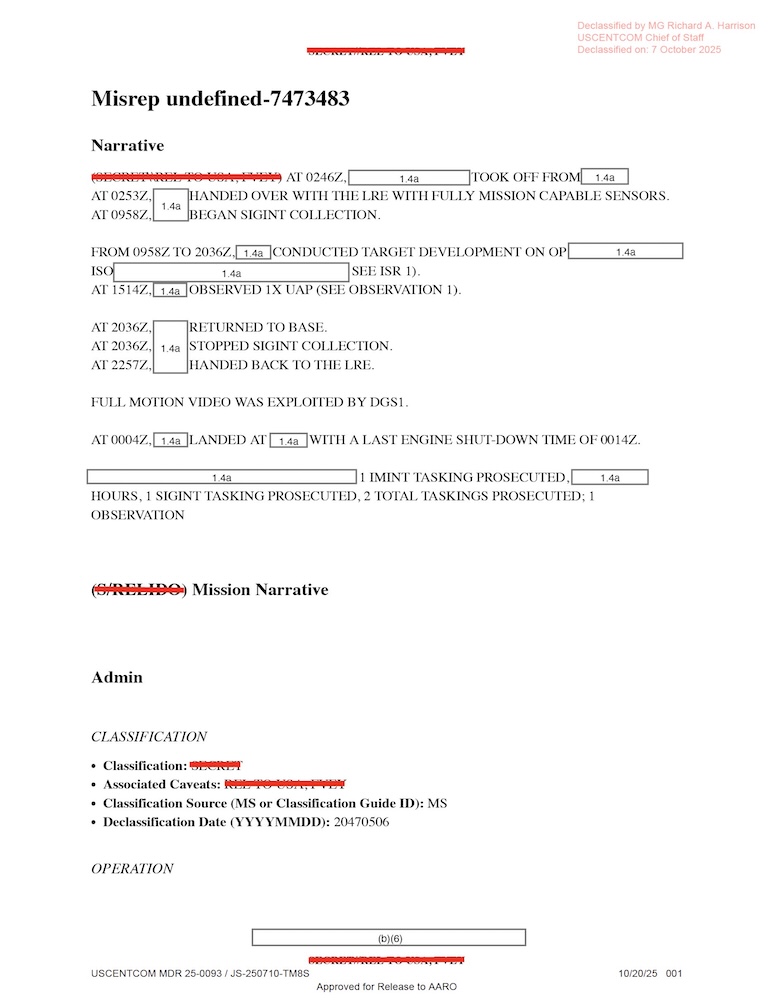
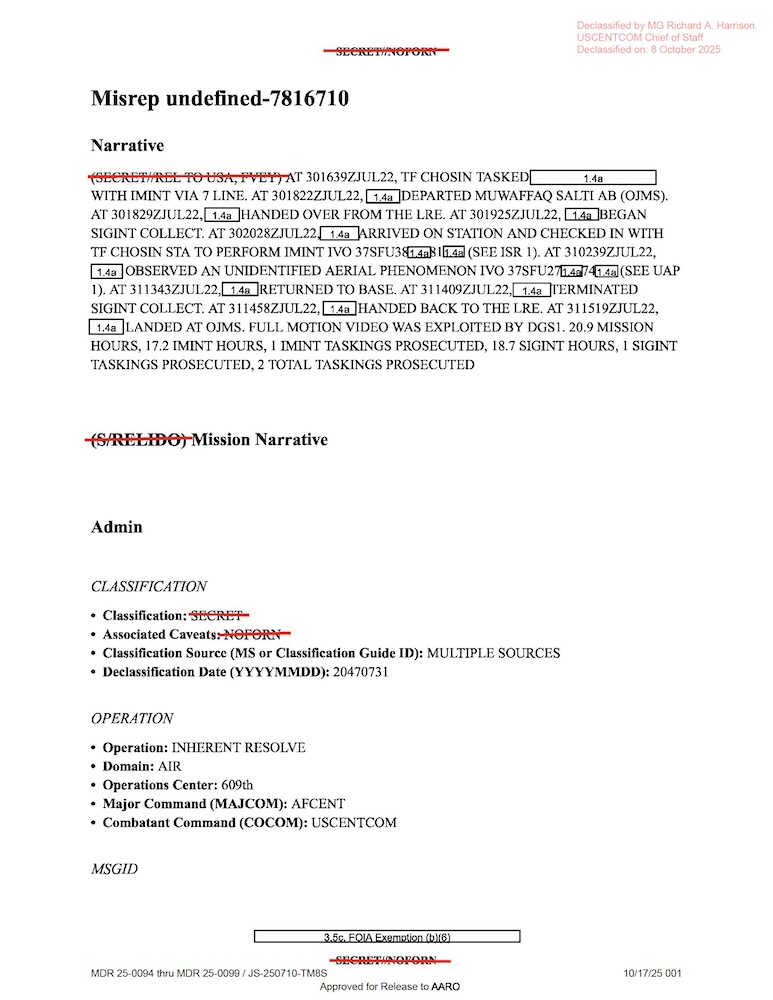
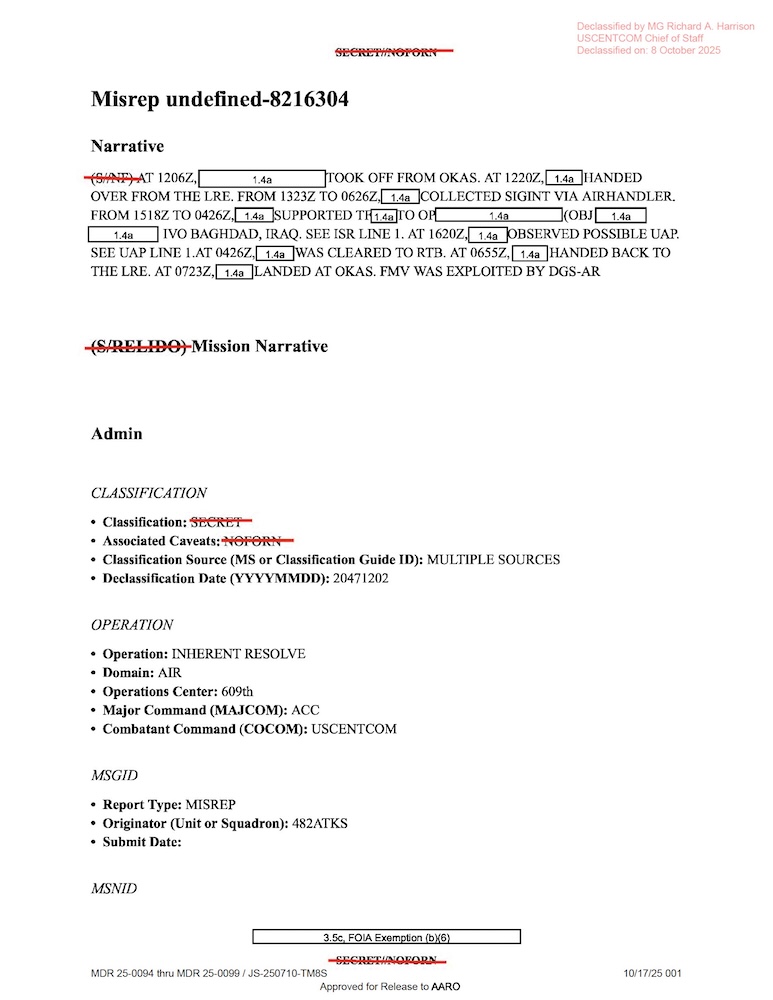
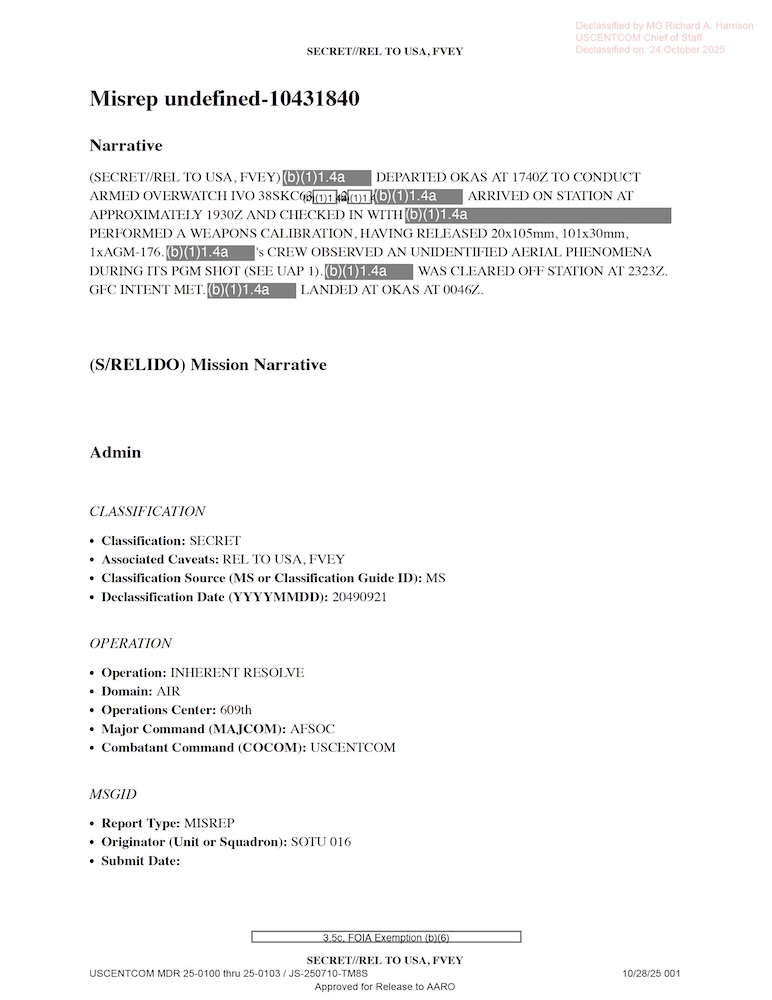
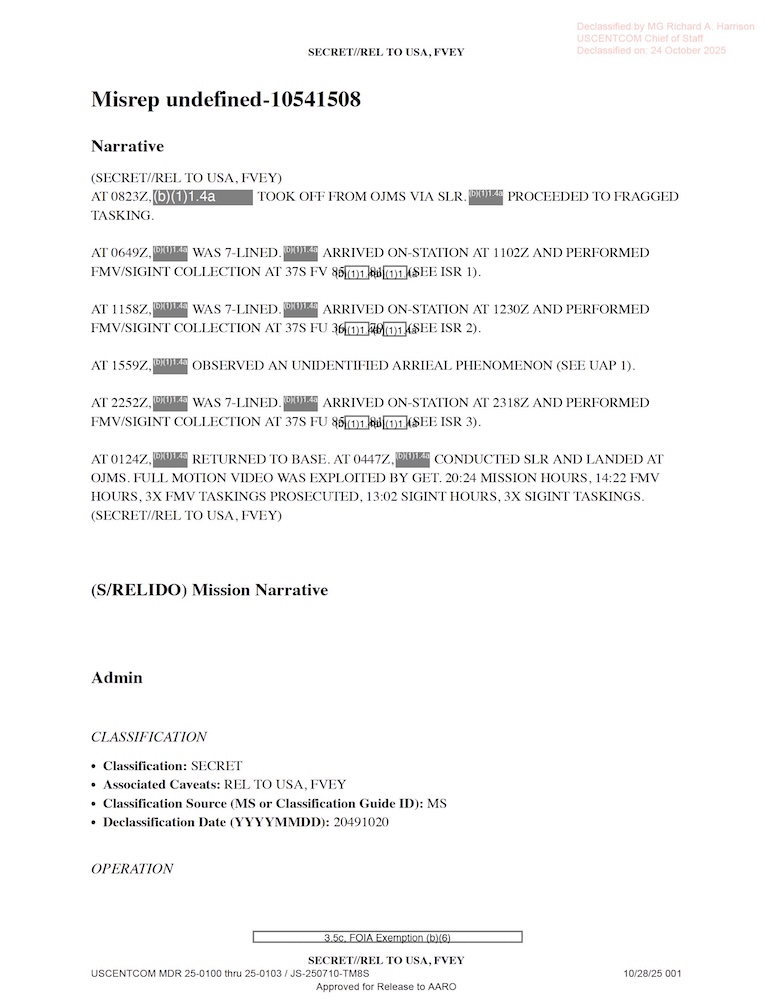
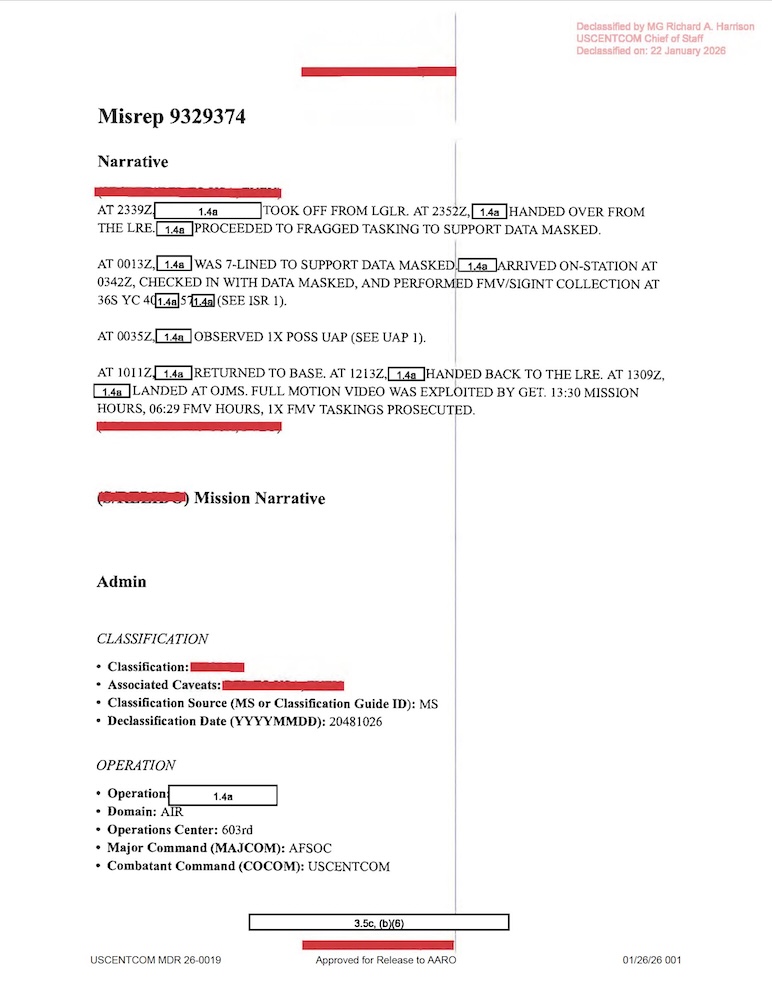
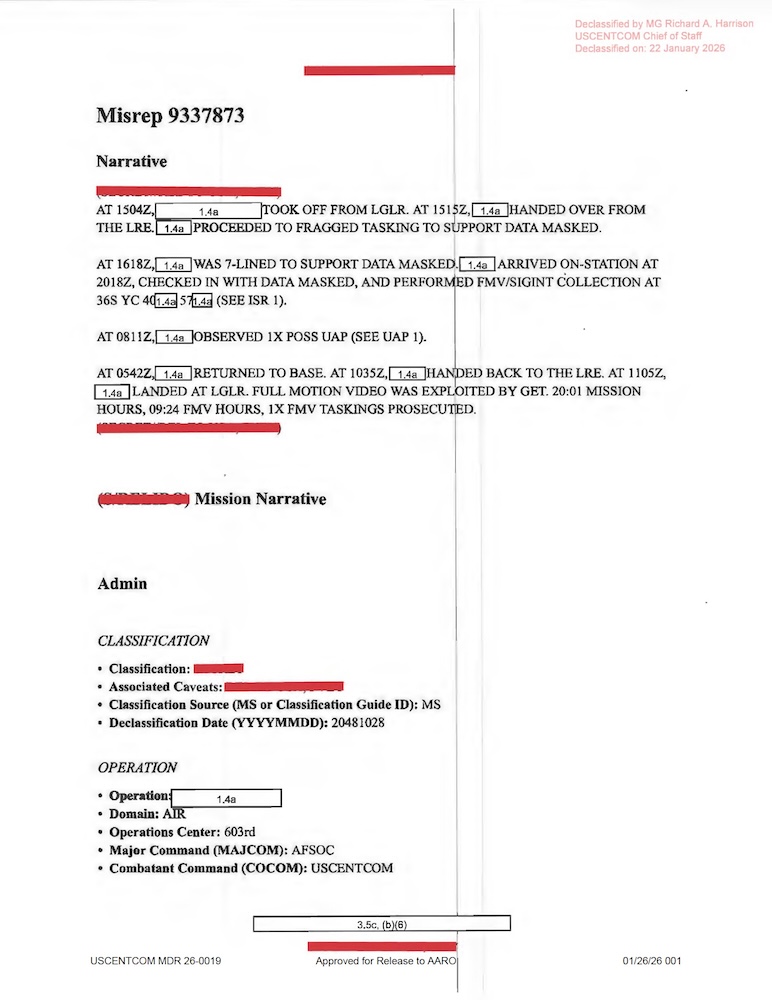
D-020 was relabeled from “Southern United States, 2020” to “Iraq, 2023”
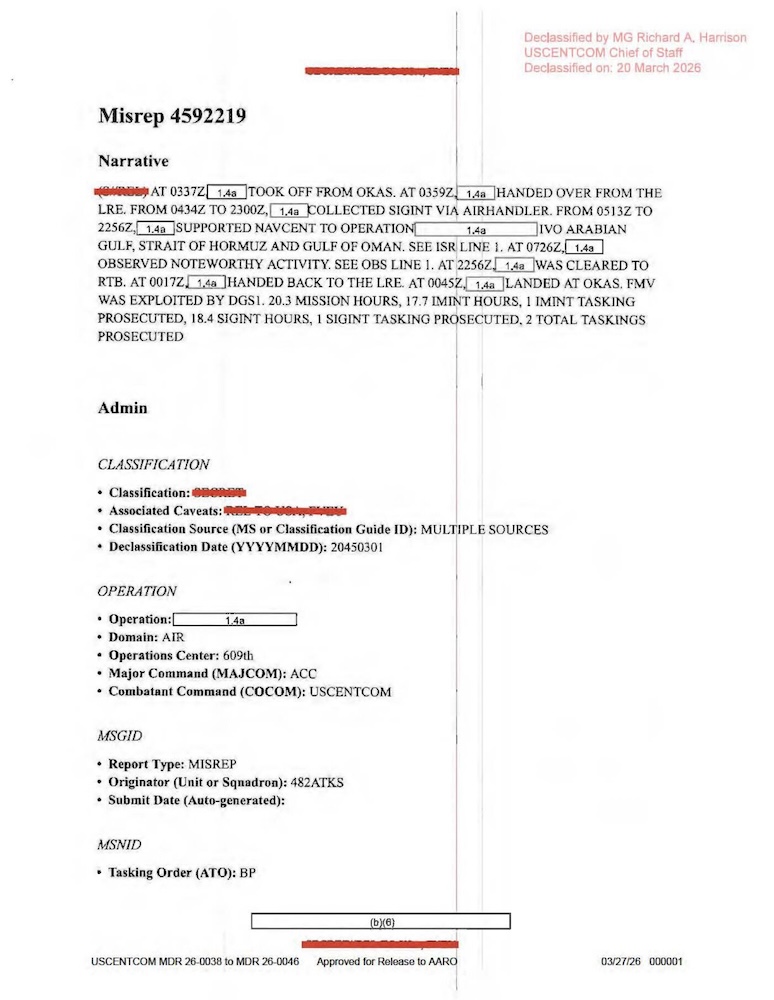
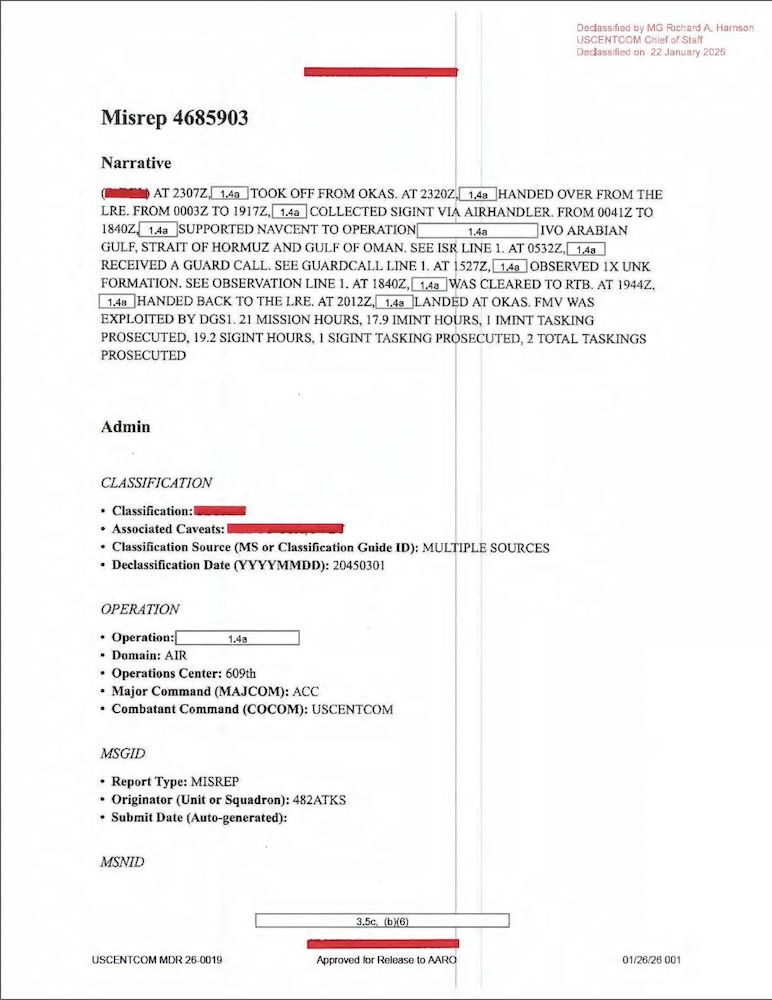
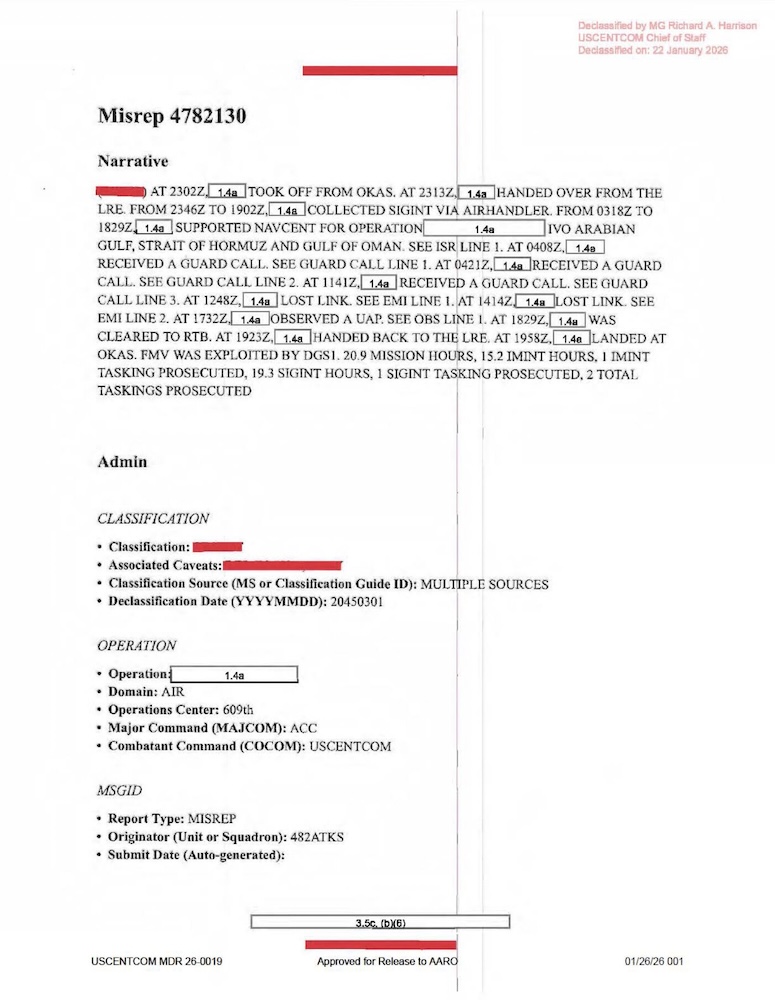
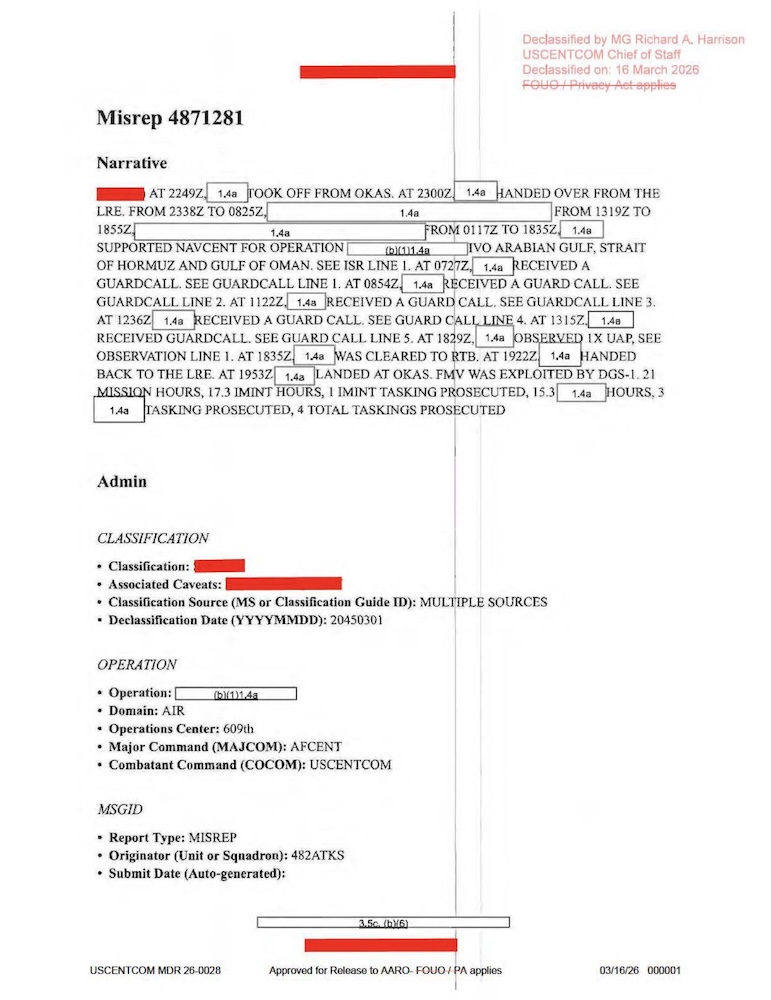
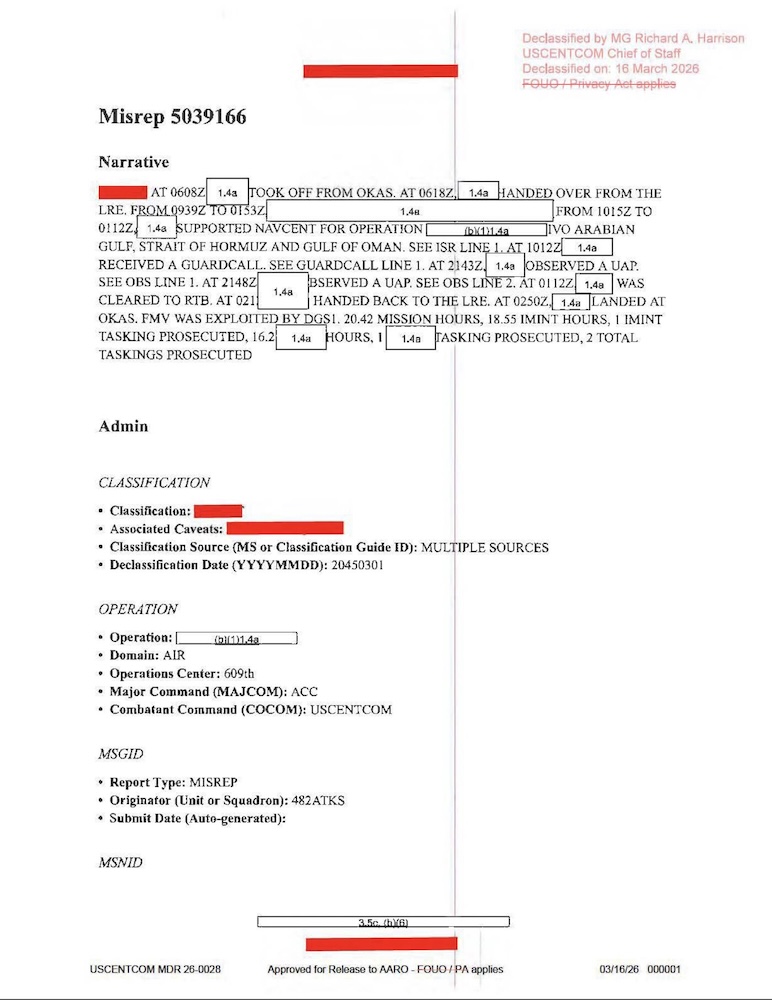
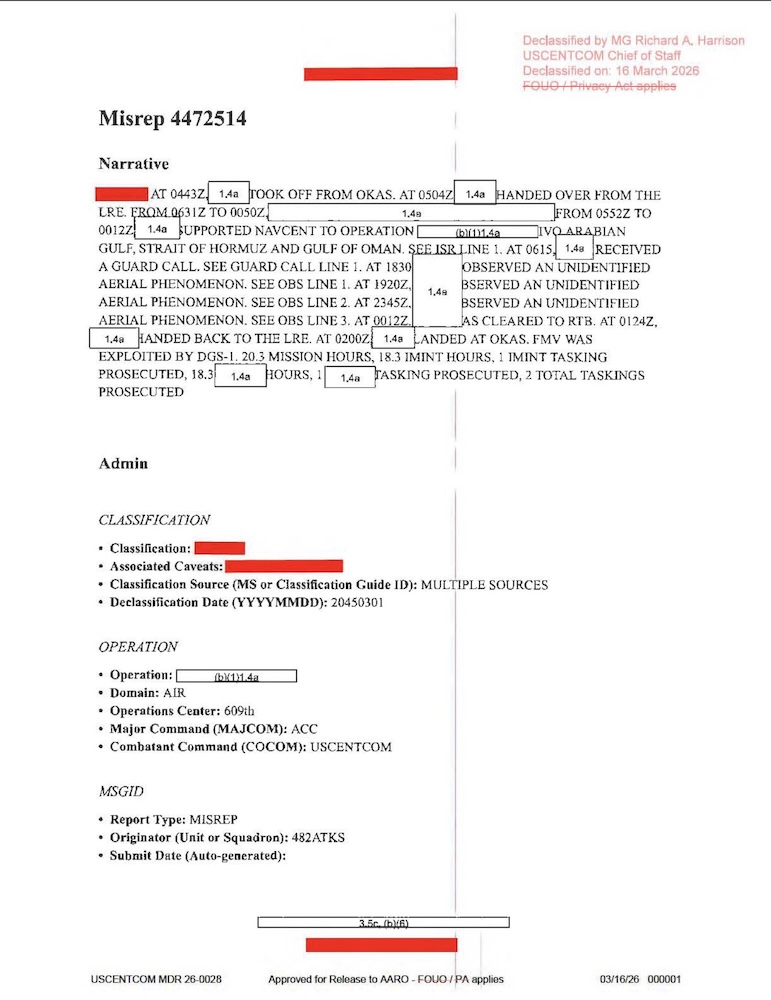
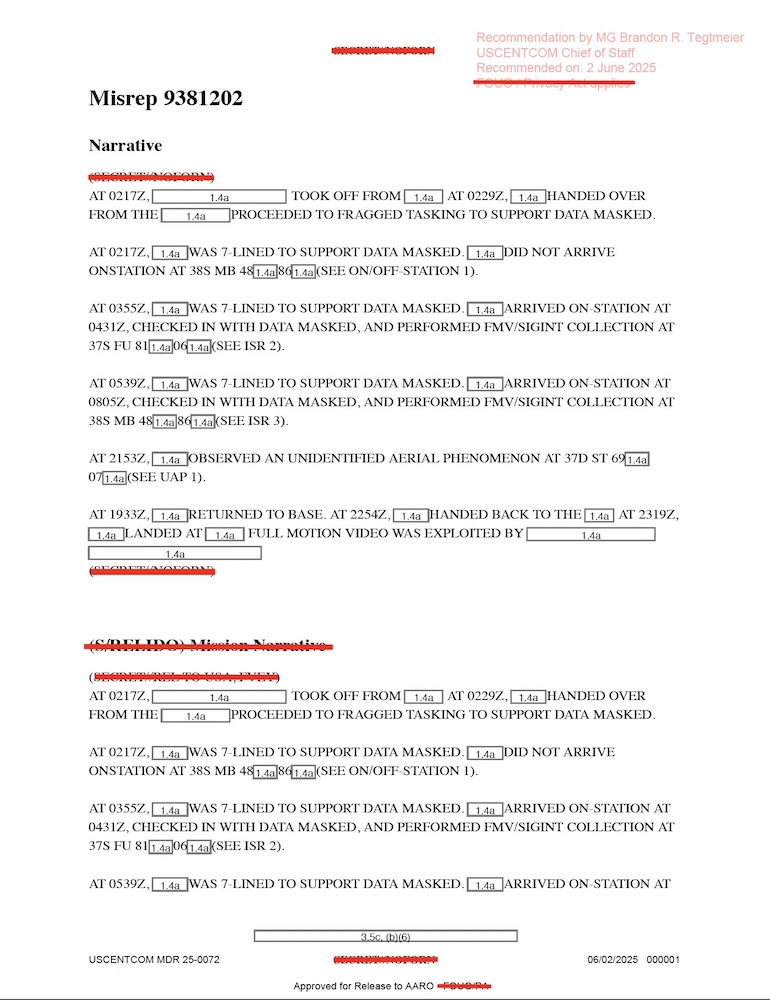
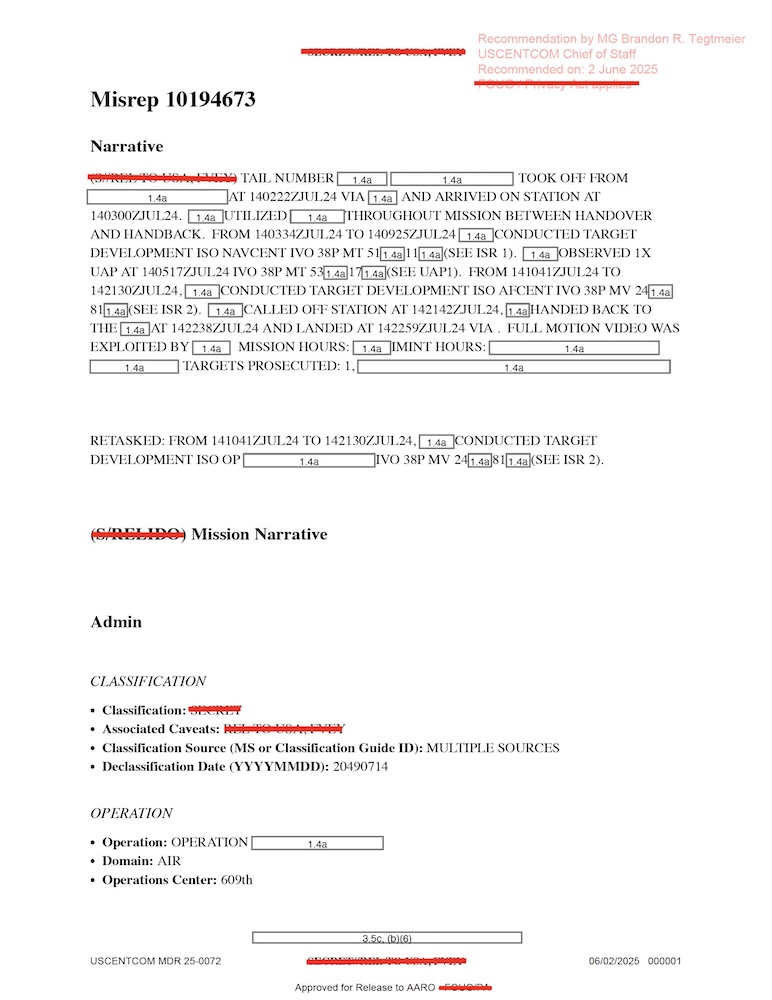
Mission report D-020 is catalogued as Iraq 2023 — but the PDF's own embedded title still says Southern United States, 2020. Both files are byte-identical.
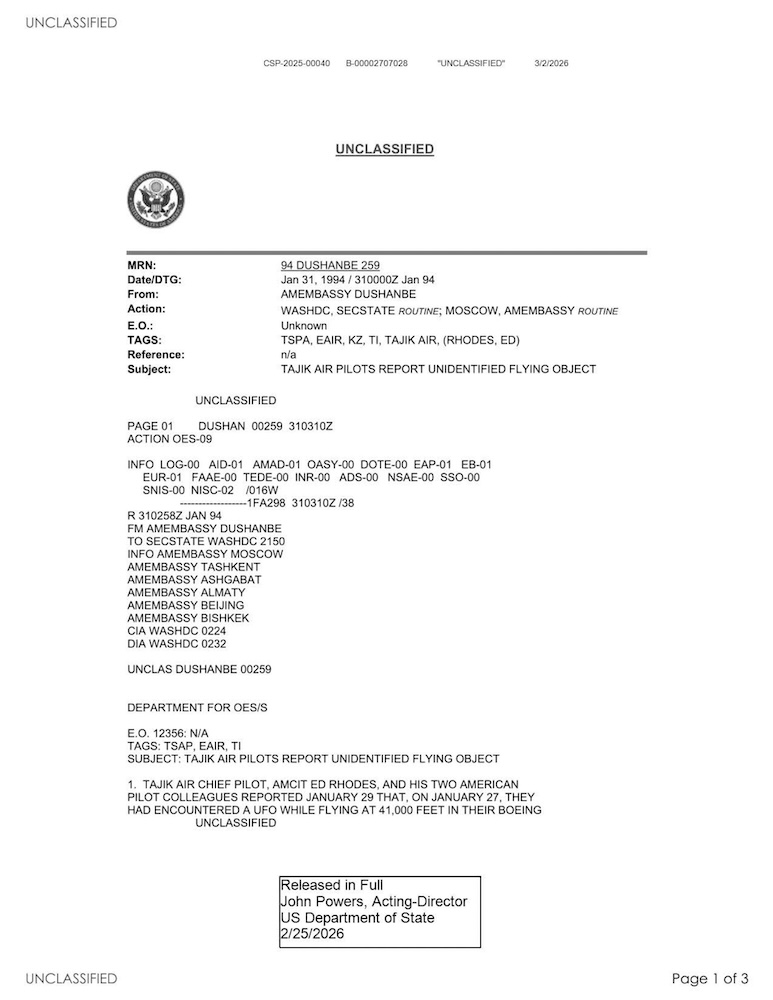
Cable 2 catalogued as Kazakhstan; PDF says Dushanbe, Tajikistan
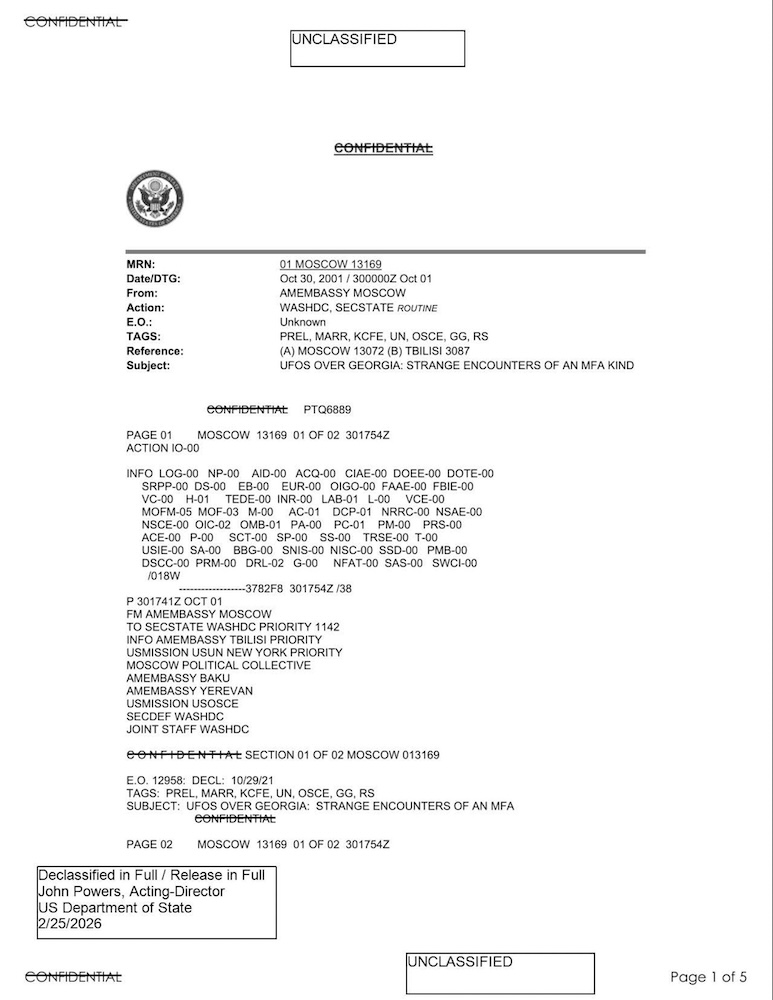
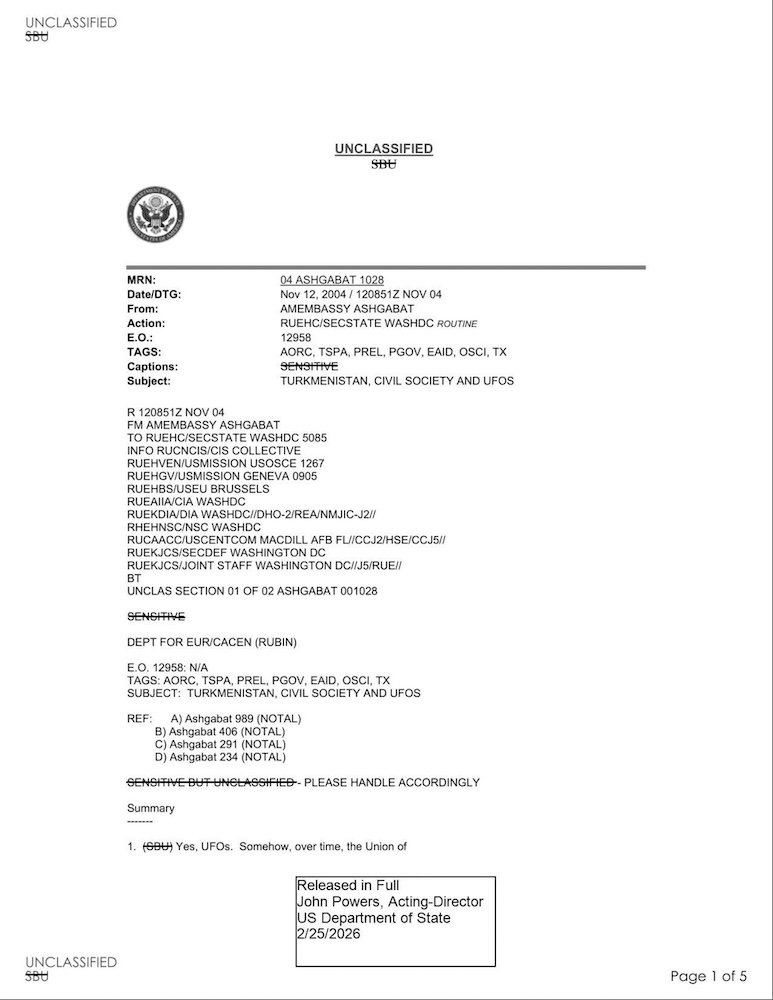
State Department UAP Cable 002 is listed under Kazakhstan in the public catalog, but the PDF's embedded title points to Dushanbe — capital of Tajikistan.
Frame-step every PURSUE video. No upload. No server. No install.
The Video Analysis Lab runs entirely in your browser. Pixel data never leaves your machine — everything from edge detection to histogram math happens on the canvas in front of you. Built for serious forensic review of the 119 videos in the PURSUE release.
Step one frame at a time with , and . Slow to 0.1× or scrub a single-frame A↔B loop to inspect a moment over and over.
Real-time Sobel operator highlights every contour. Crank up contrast, isolate a single channel, or watch the frame-difference map light up motion.
Zoom in to individual pixels with pixel-perfect rendering — no smoothing. Pan freely, snap-back with 0.
Live R/G/B distribution for the current frame. Spot crushed blacks, blown highlights, and color-cast tells.
View red, green, blue, or luminance in isolation. Forensic-grade hue/saturation/blur/grayscale/invert on top.
Click any pixel to read its exact RGB and hex value with the eyedropper tool.
Drop labelled pins on anything interesting. Pins persist over zoom/pan and bake into screenshots.
One keystroke (s) exports the current view — filters, zoom, pins, and all — as a timestamped PNG.
Explore the archive
158 from 5/8 · 64 from 5/22 · 72 from 6/12 · 40 from 7/10 · 41 from 8/7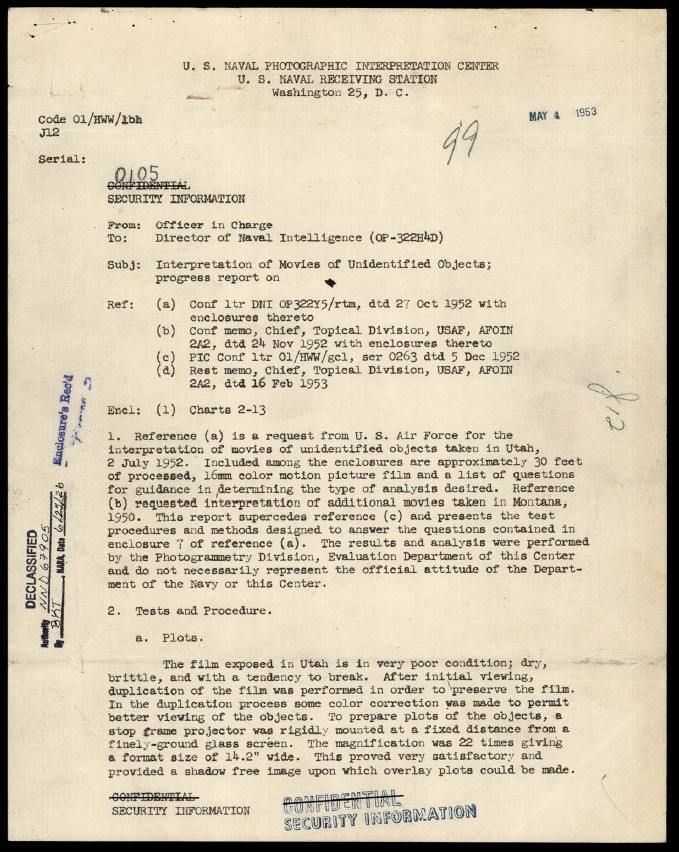


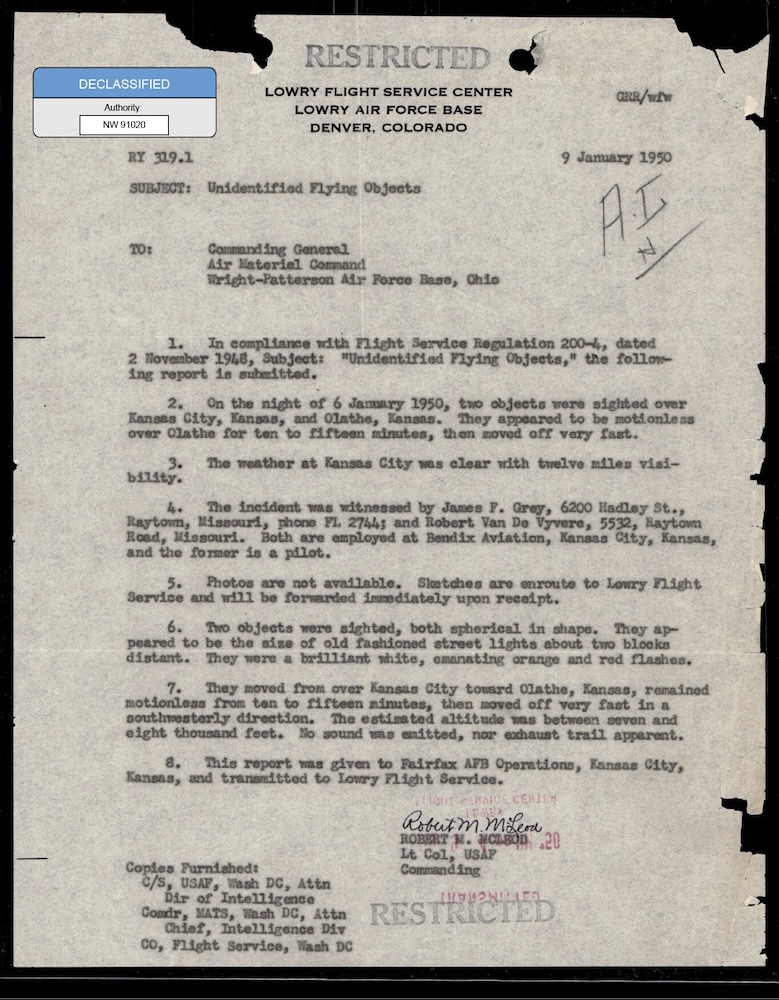
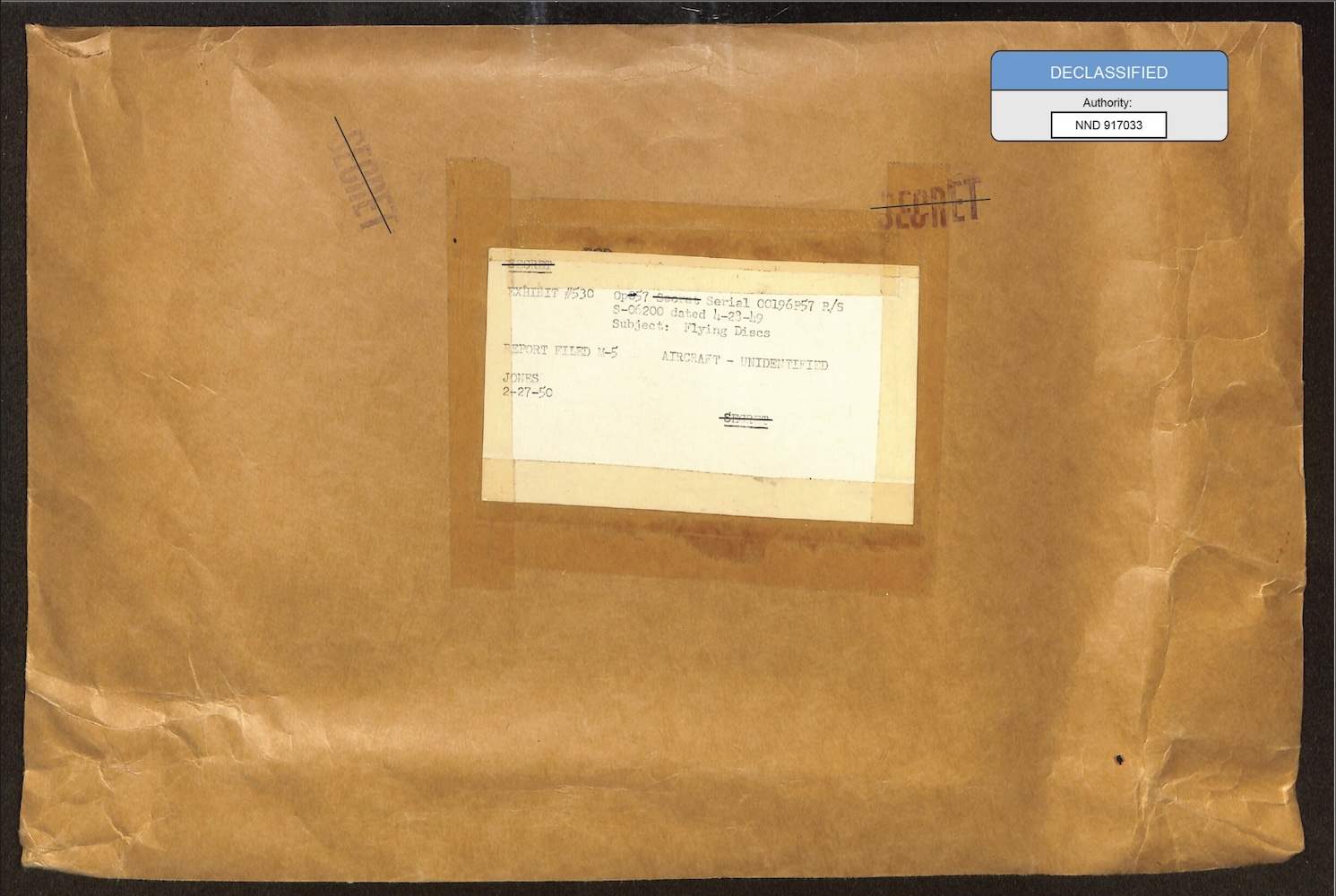
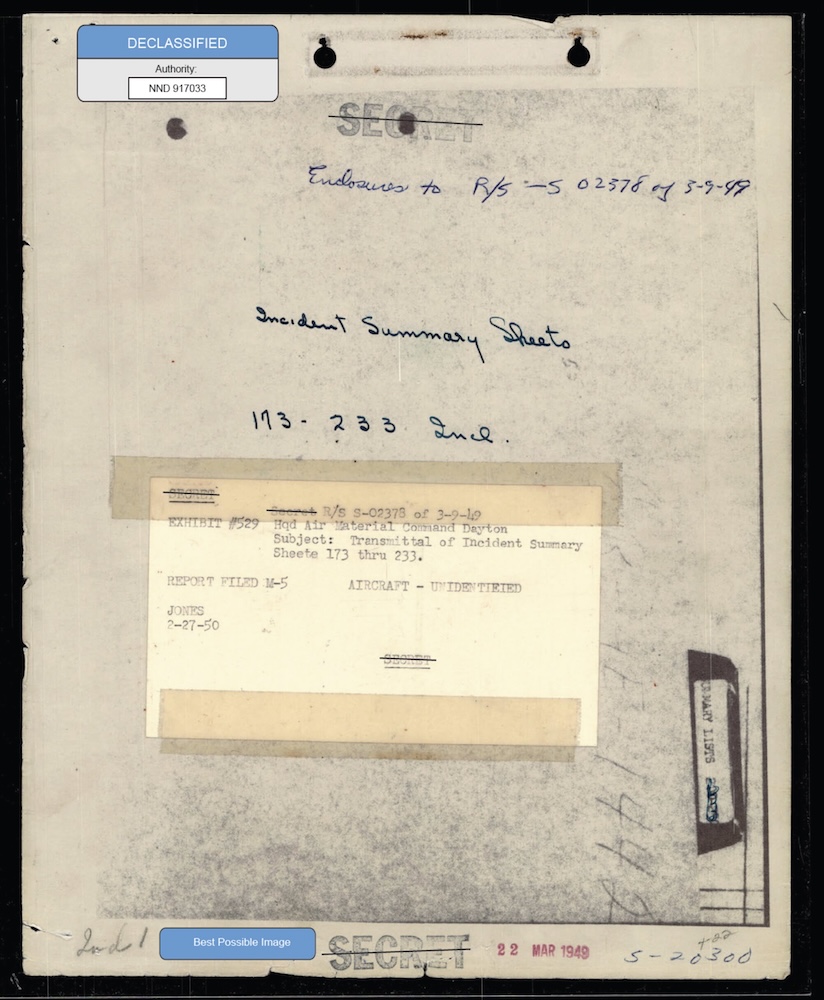
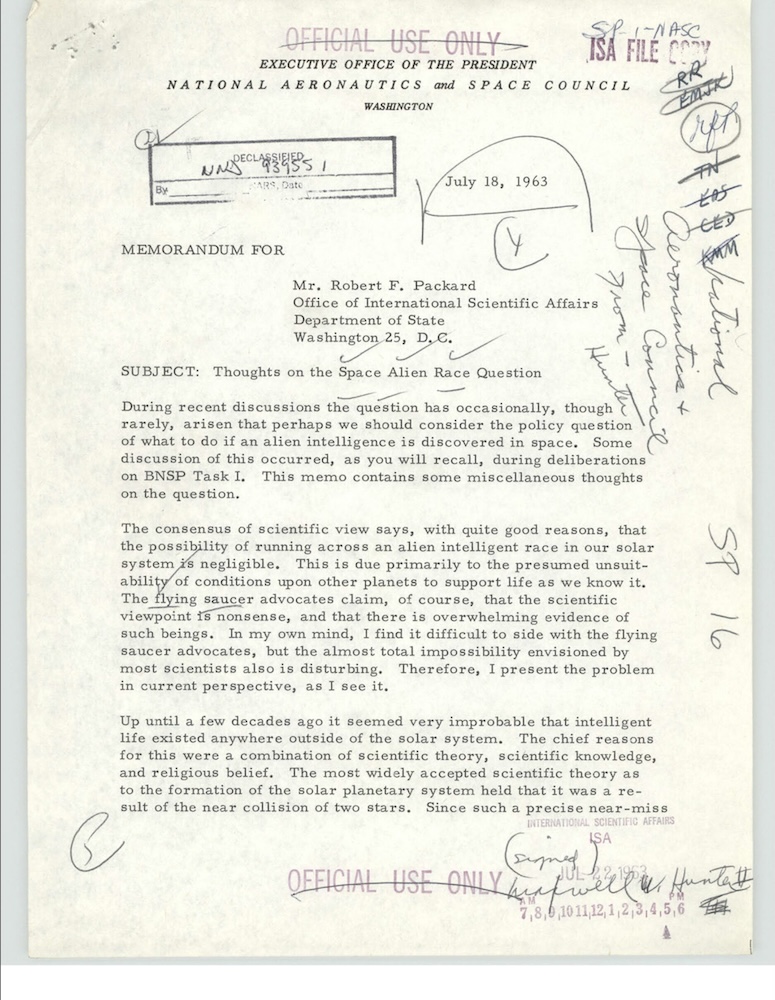
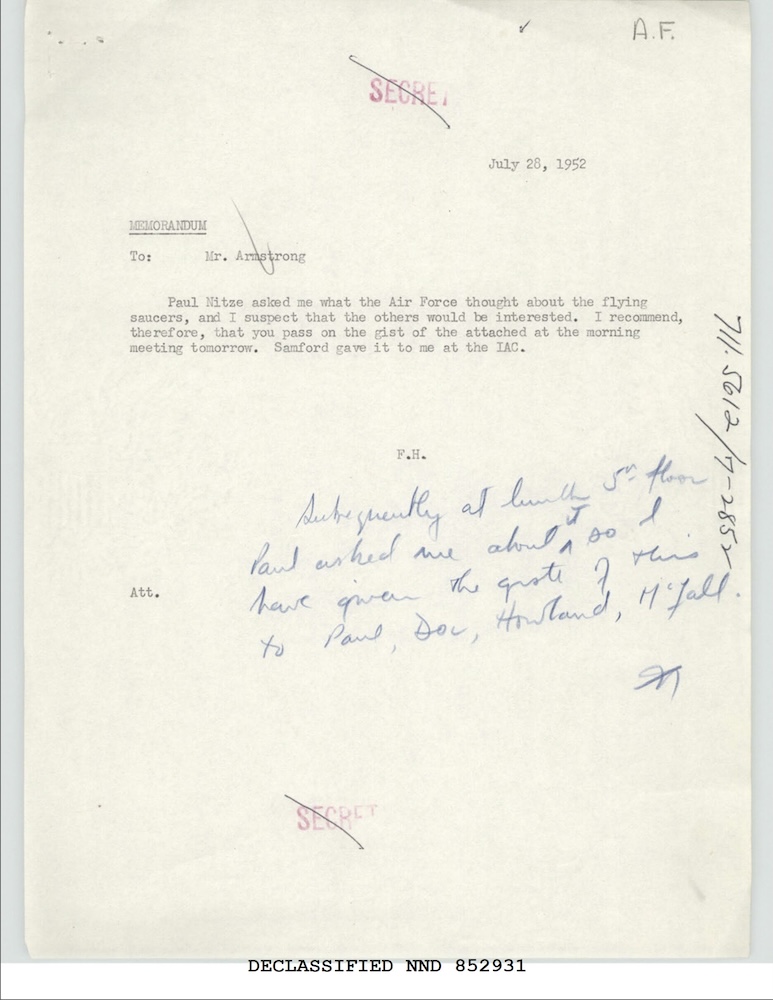
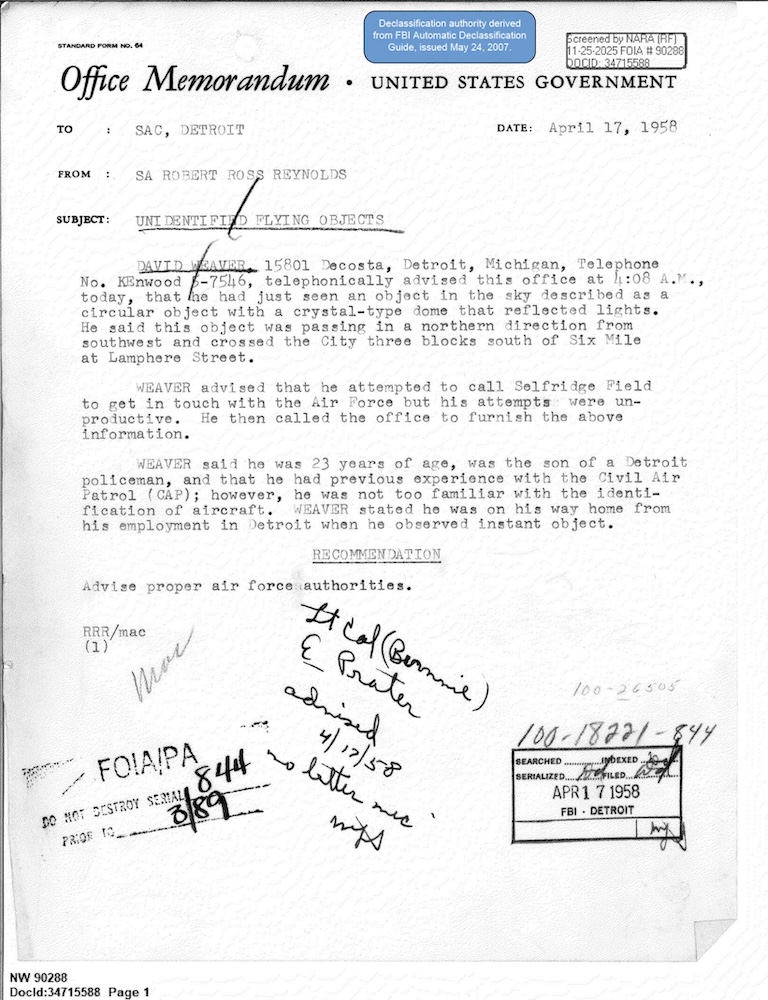
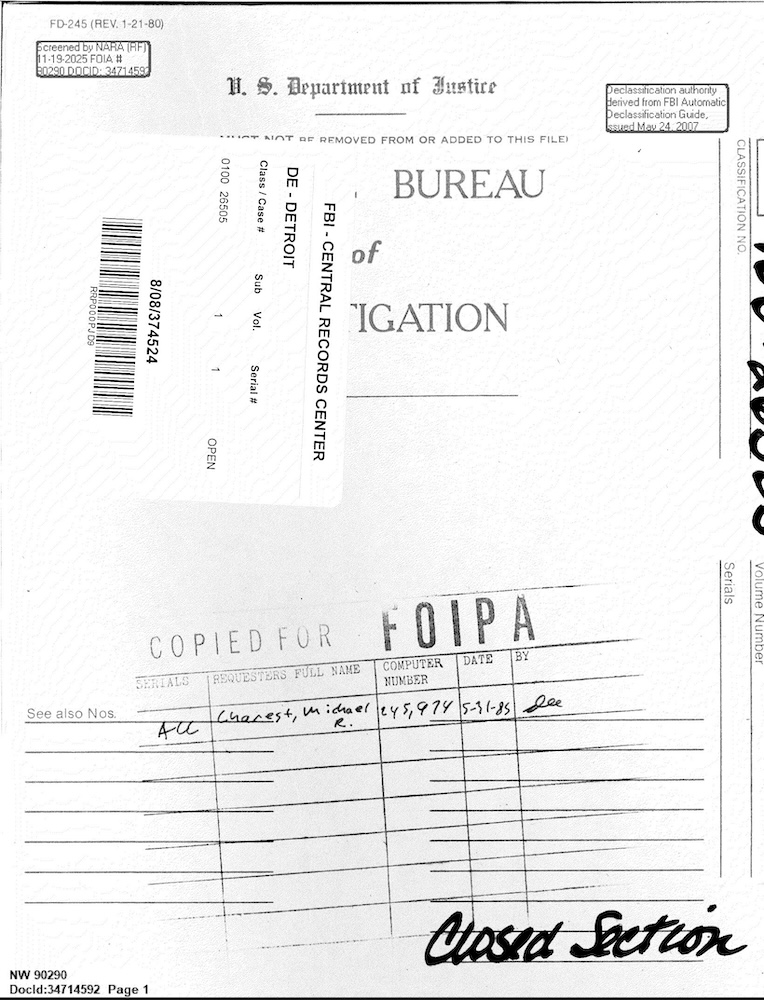
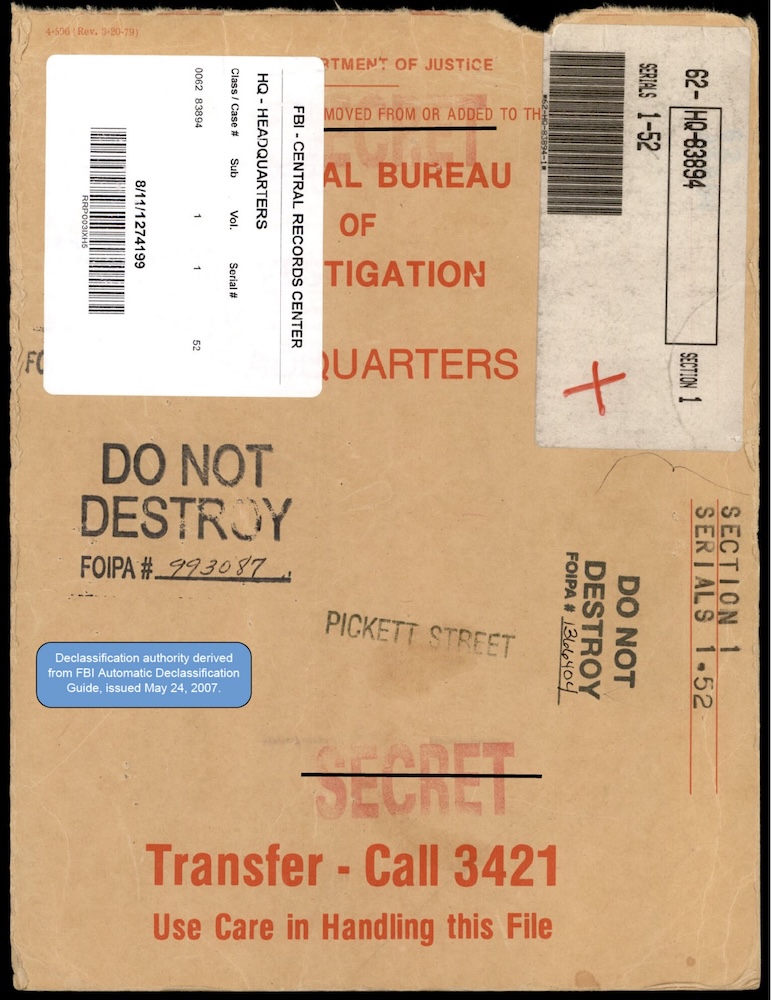
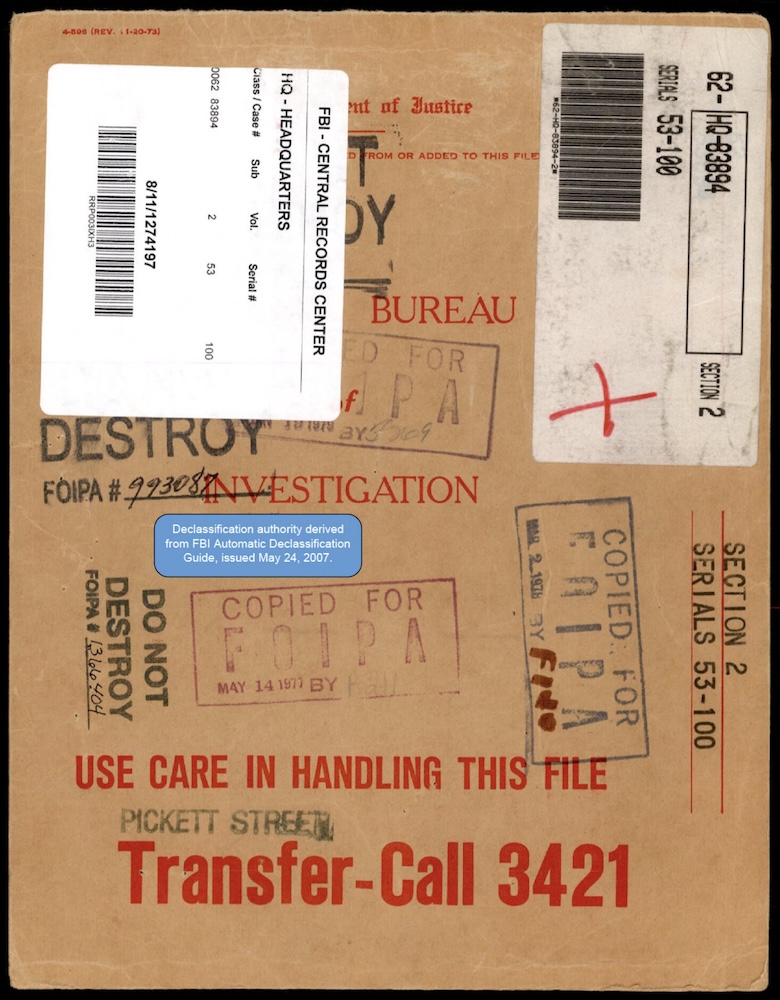
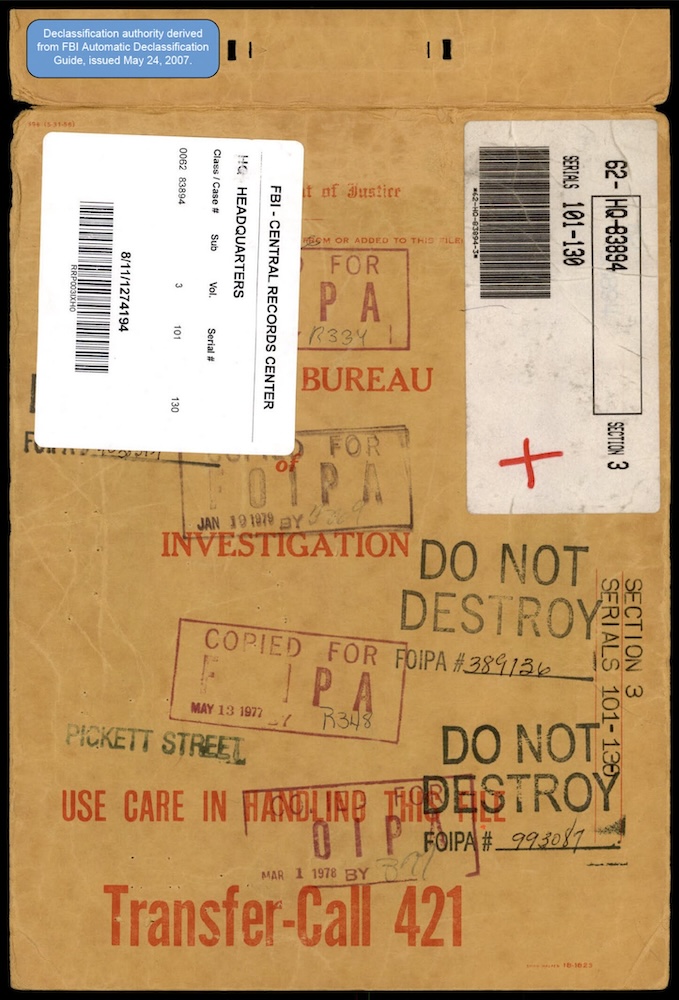
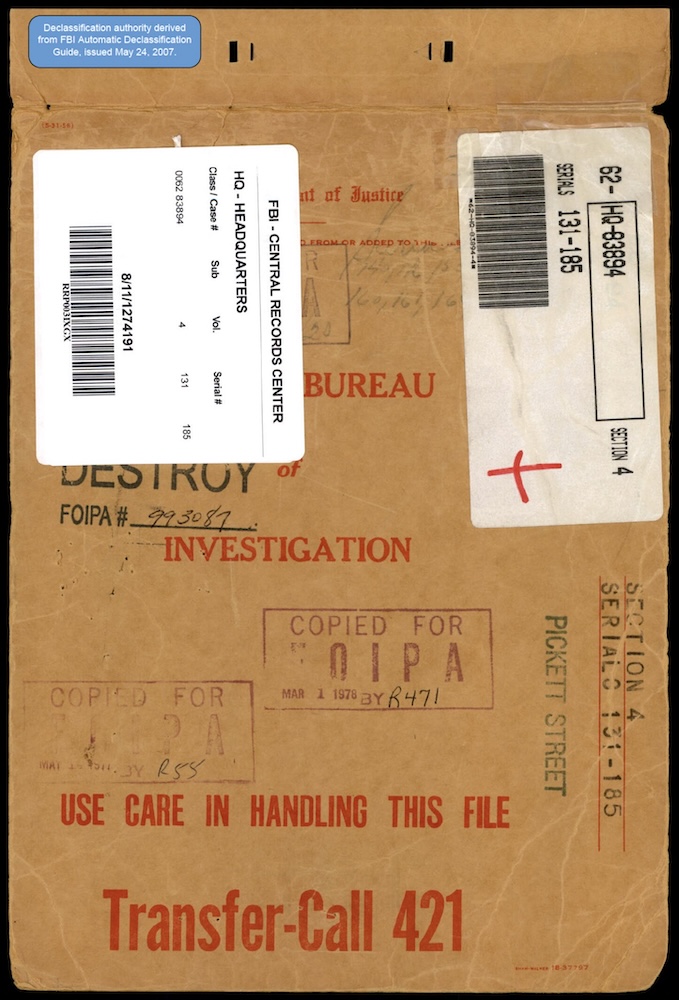
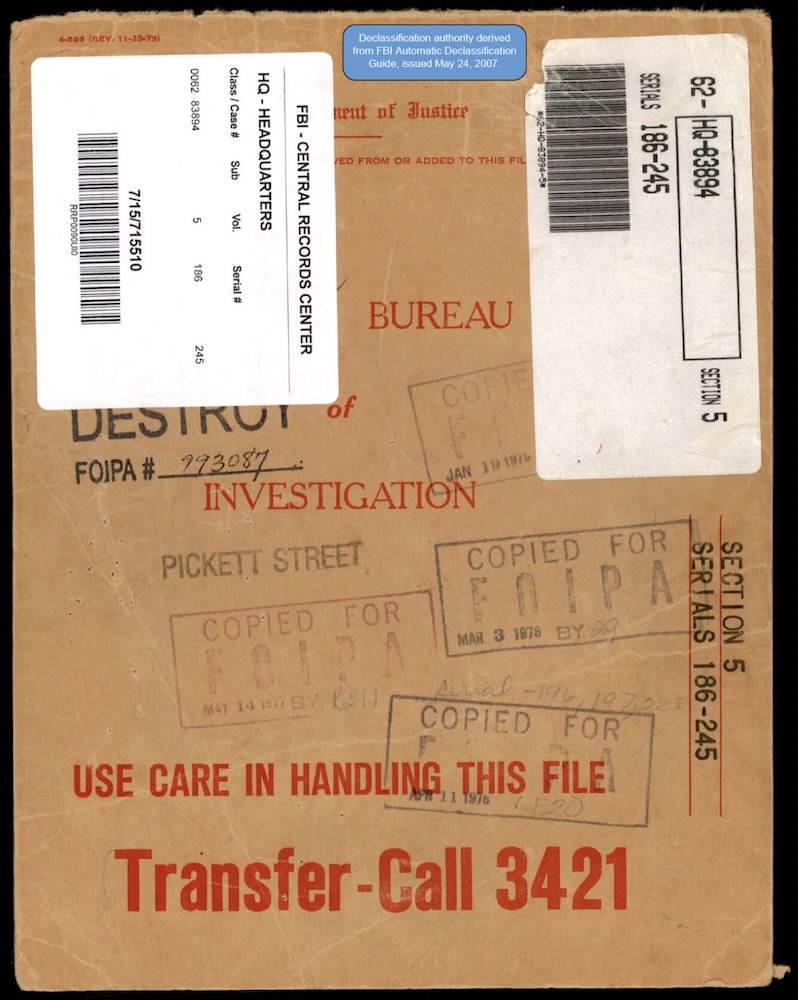
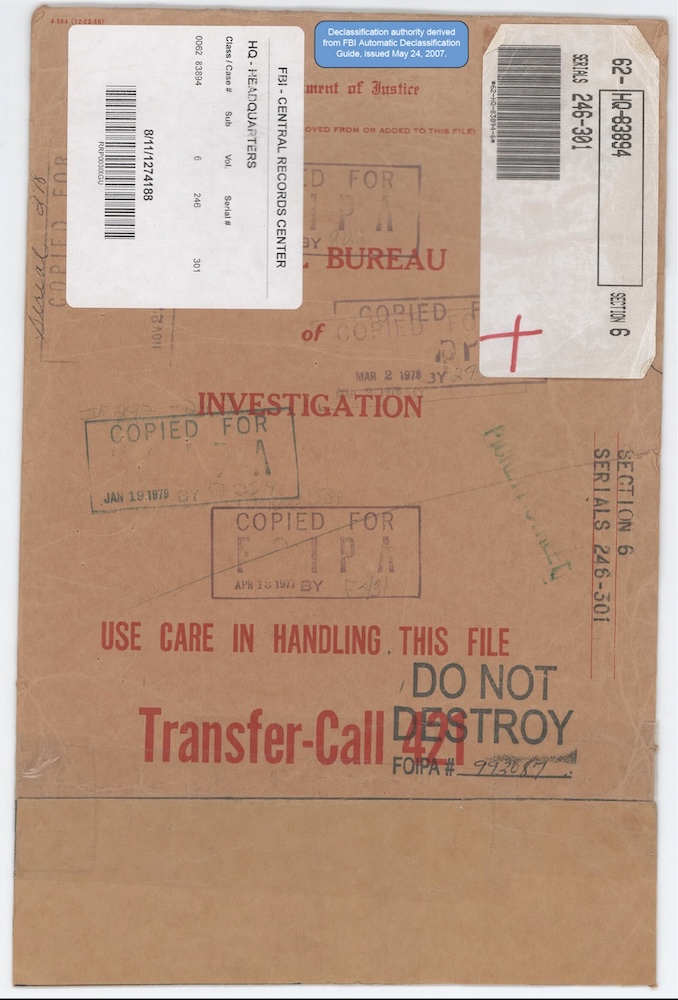
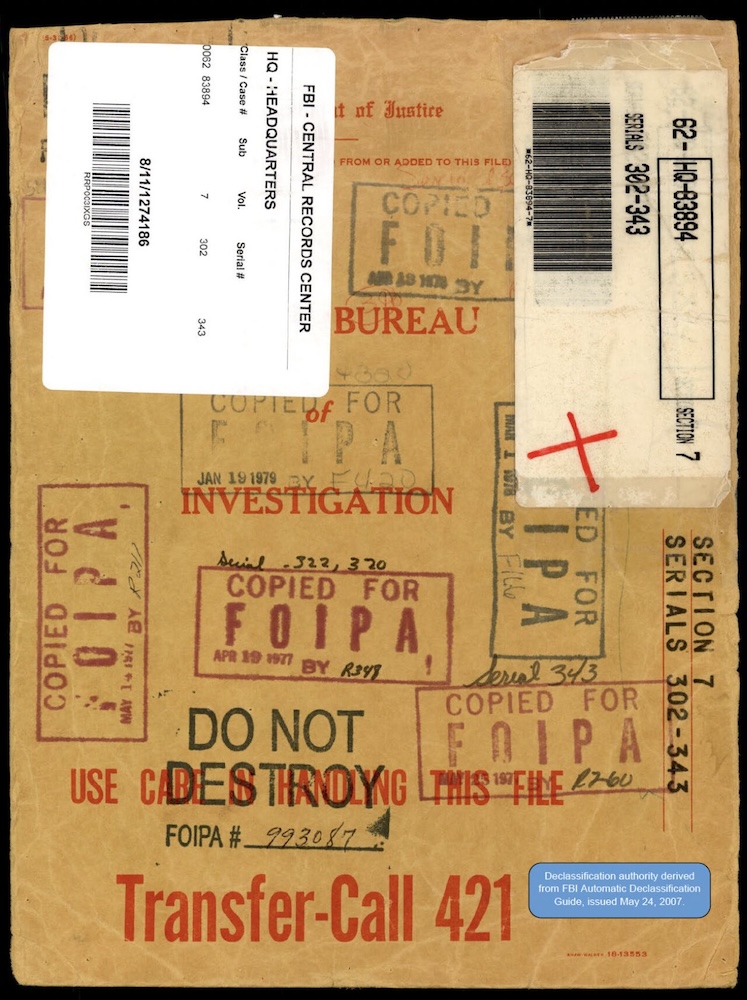
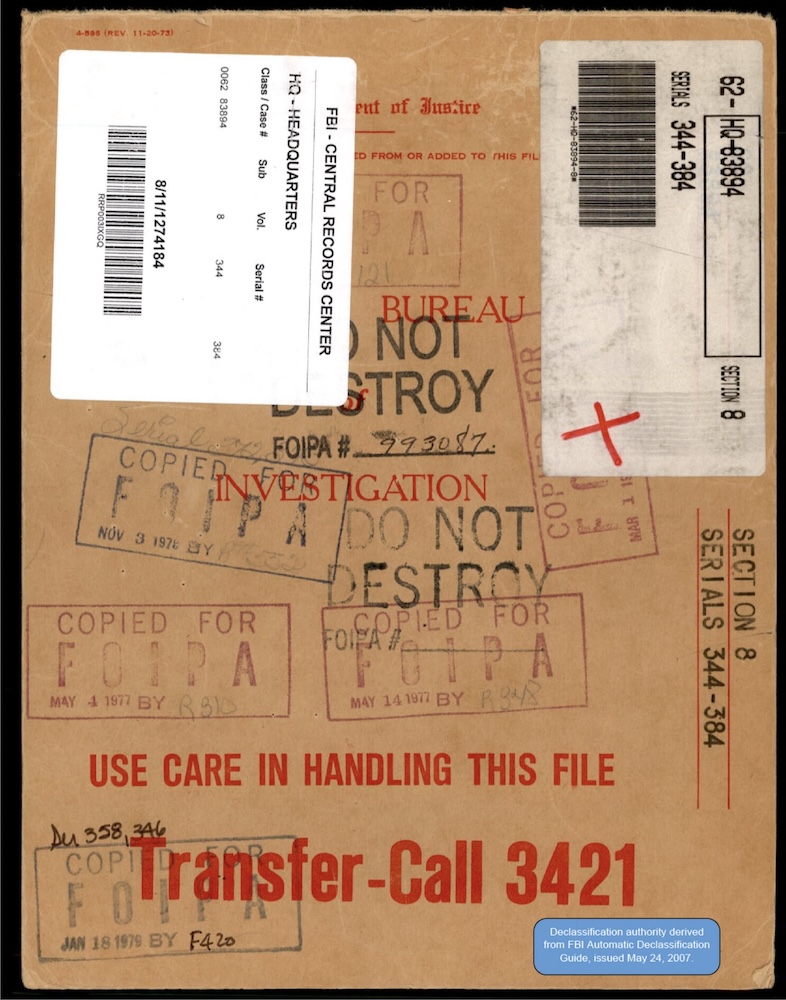
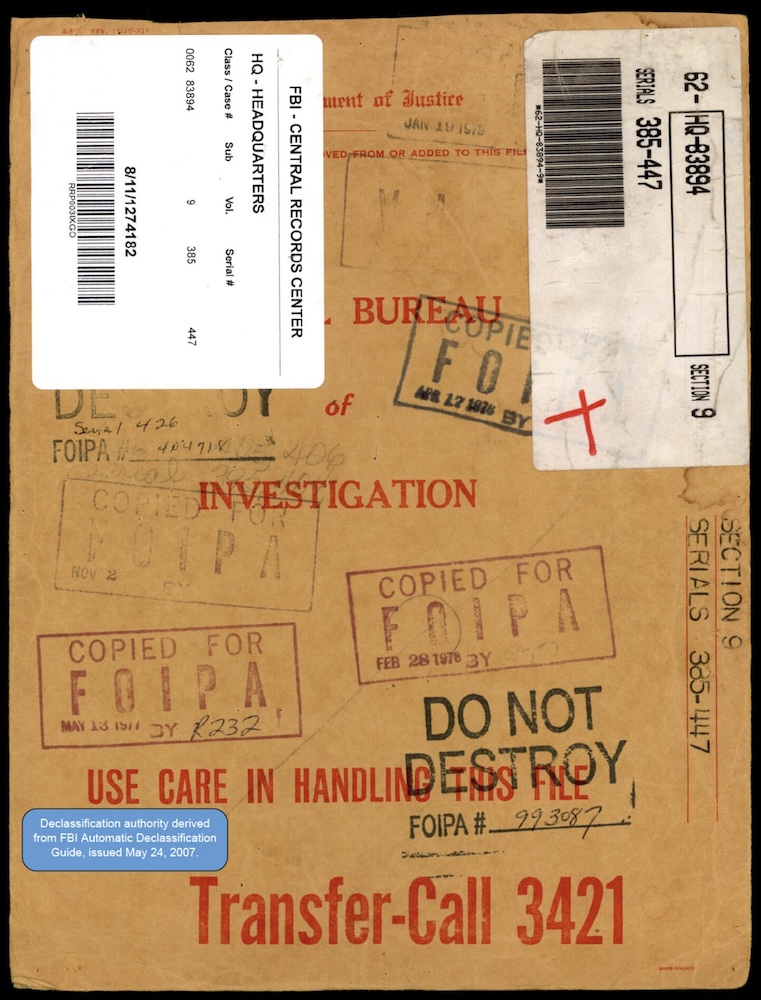
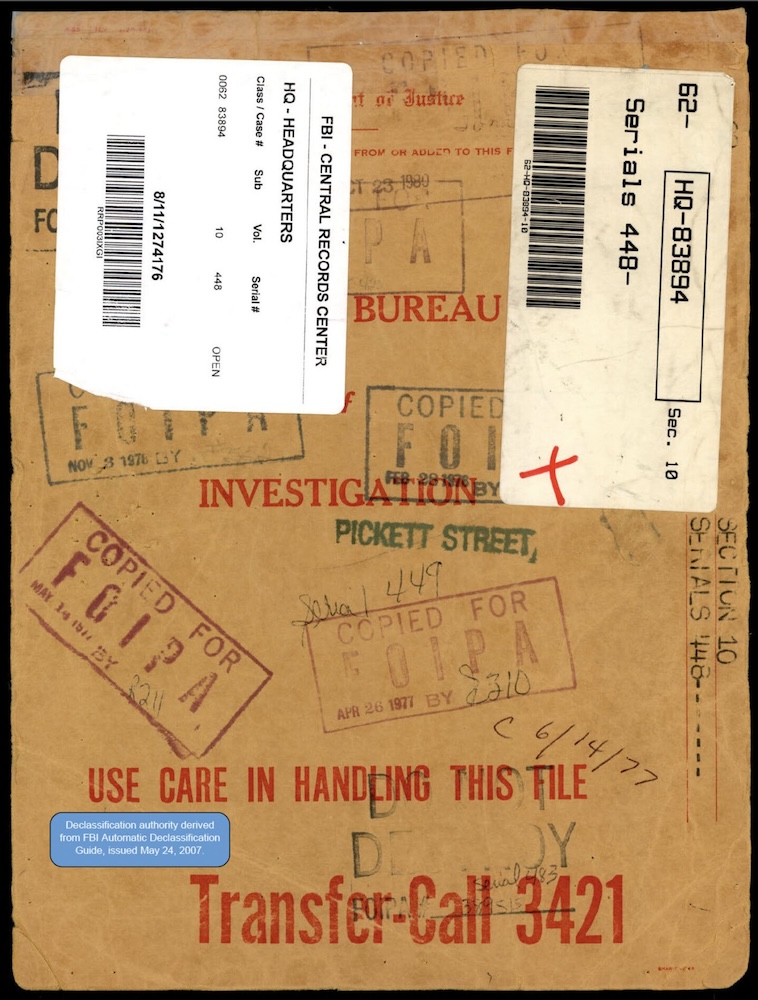
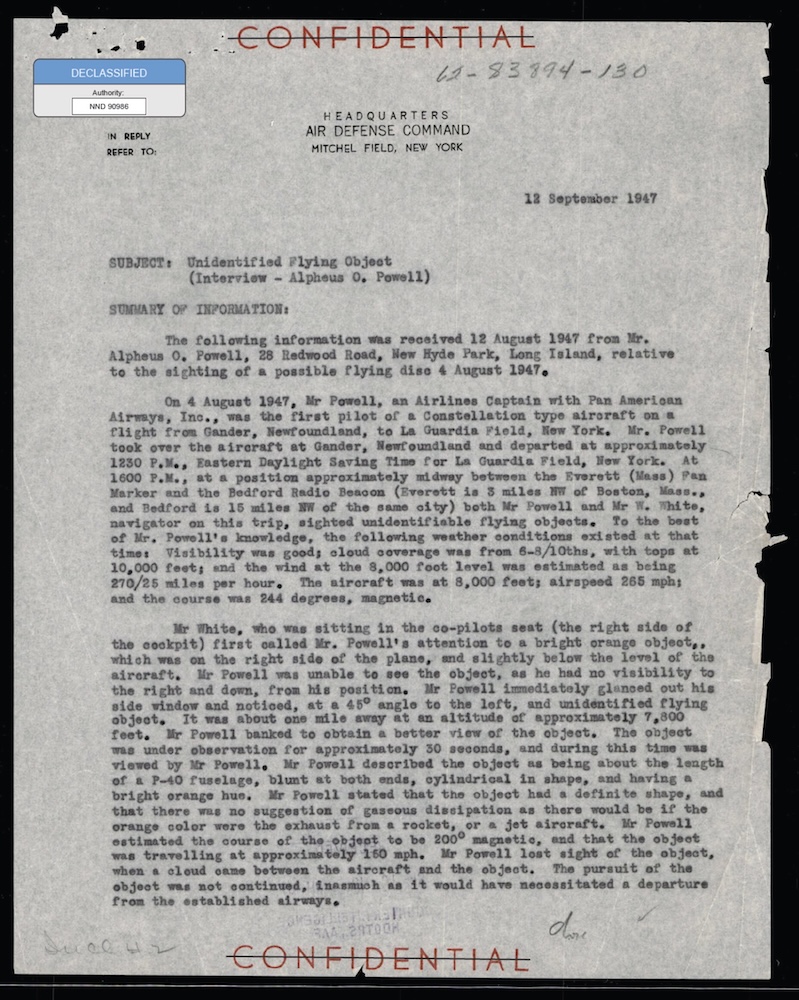
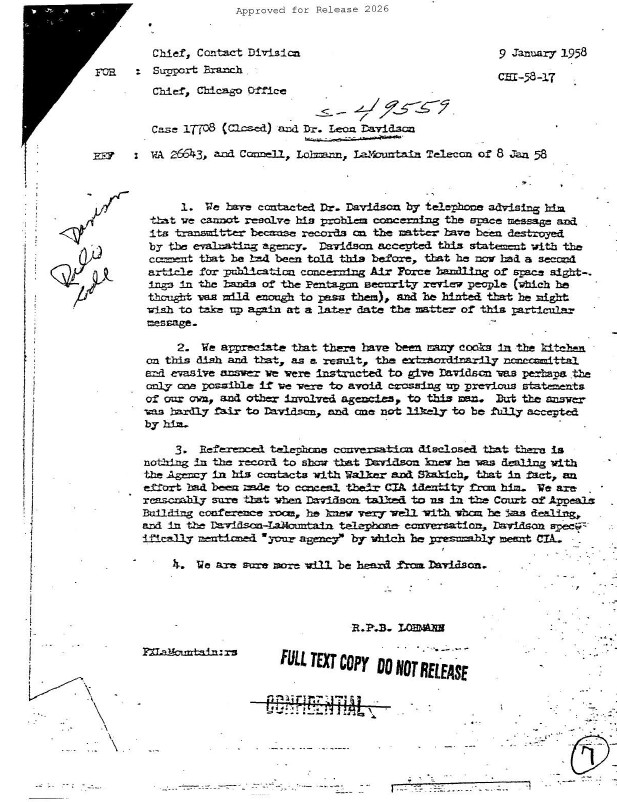

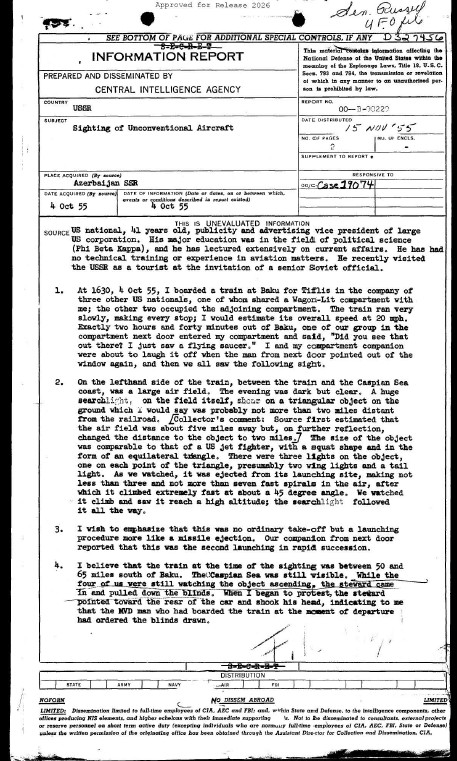
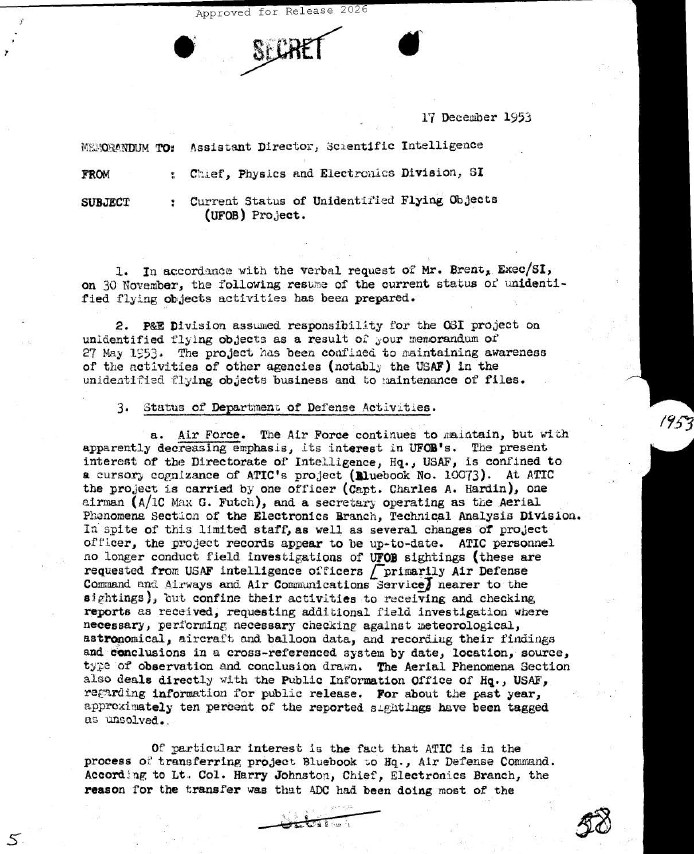
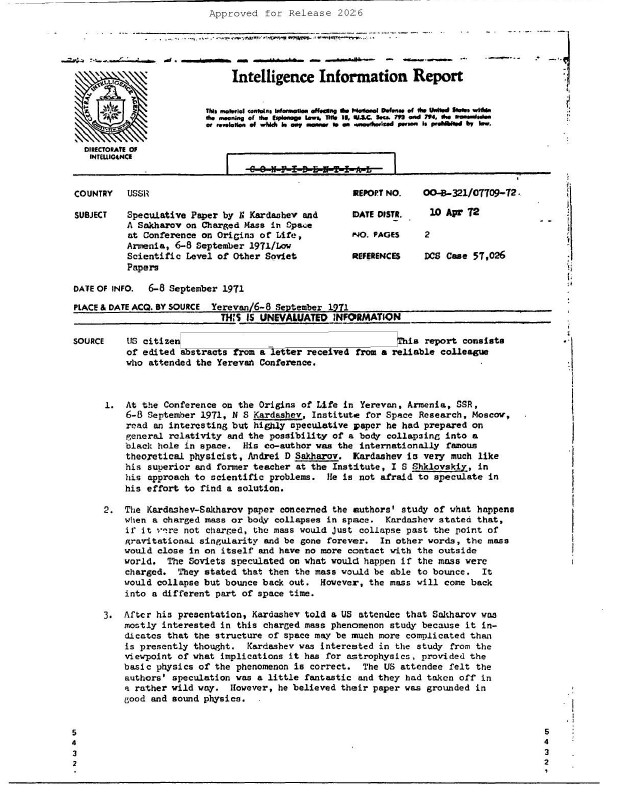
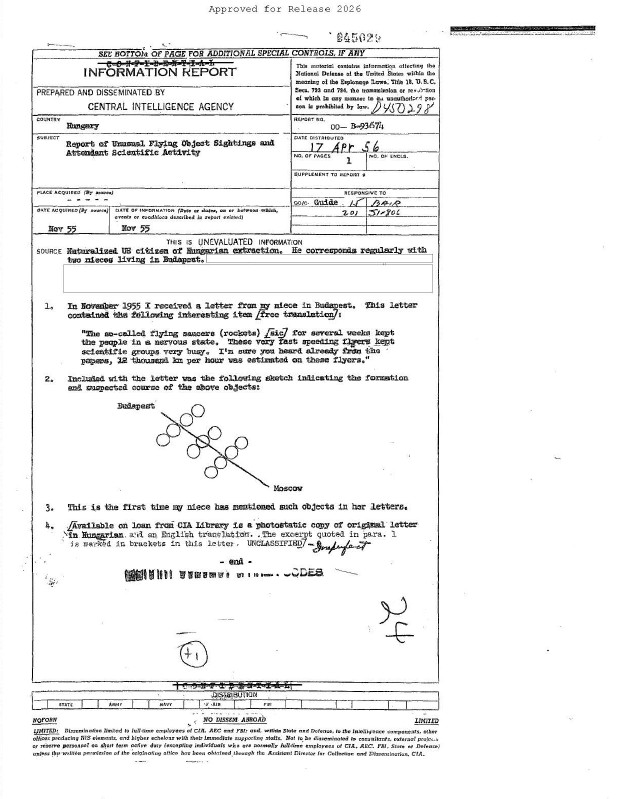
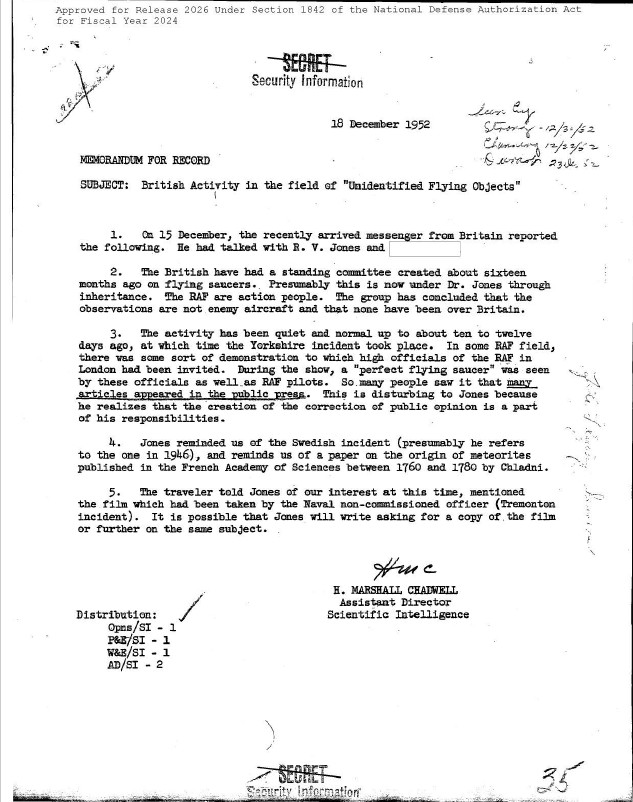
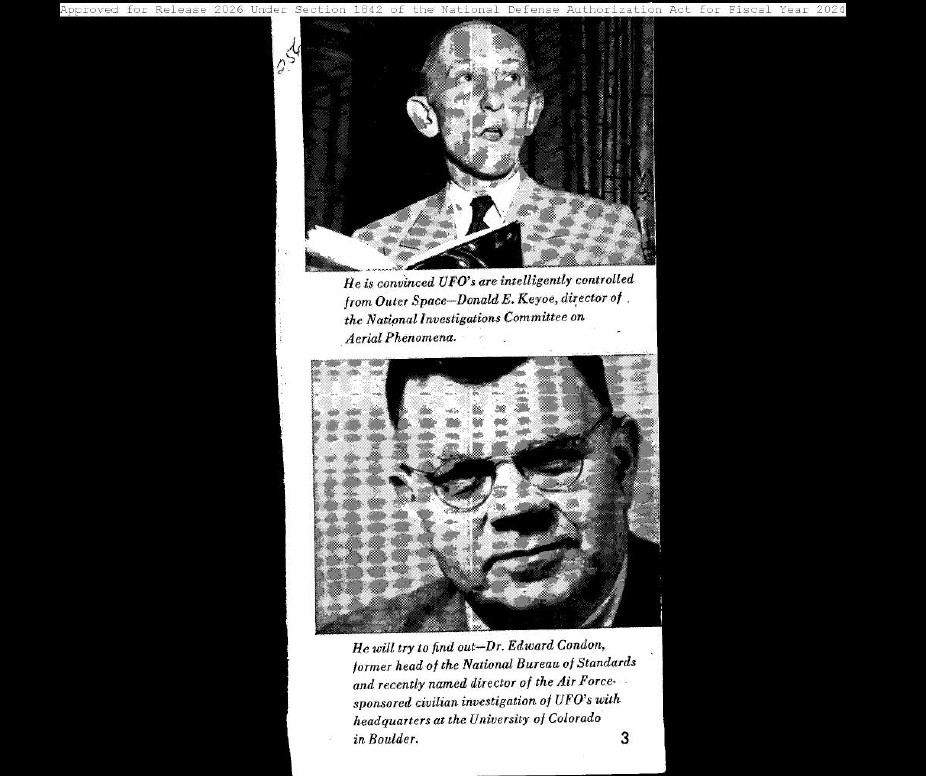
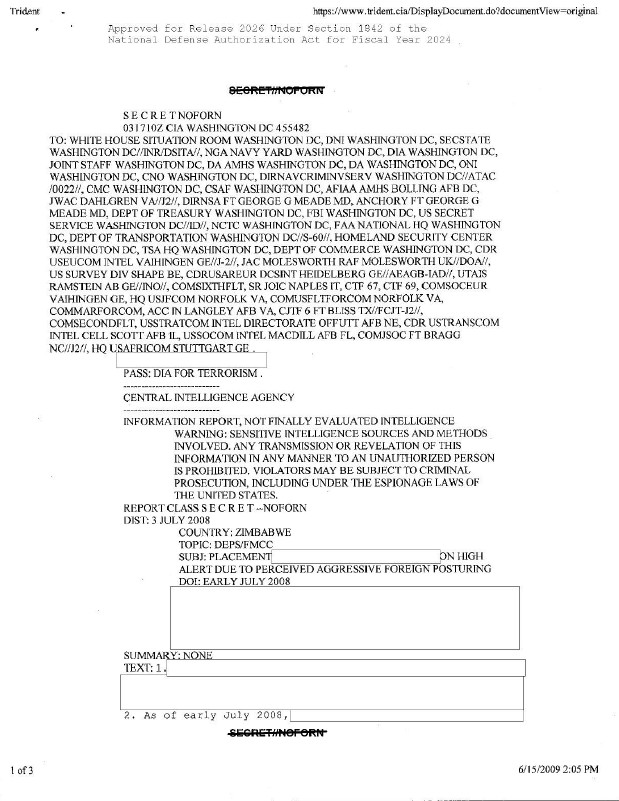
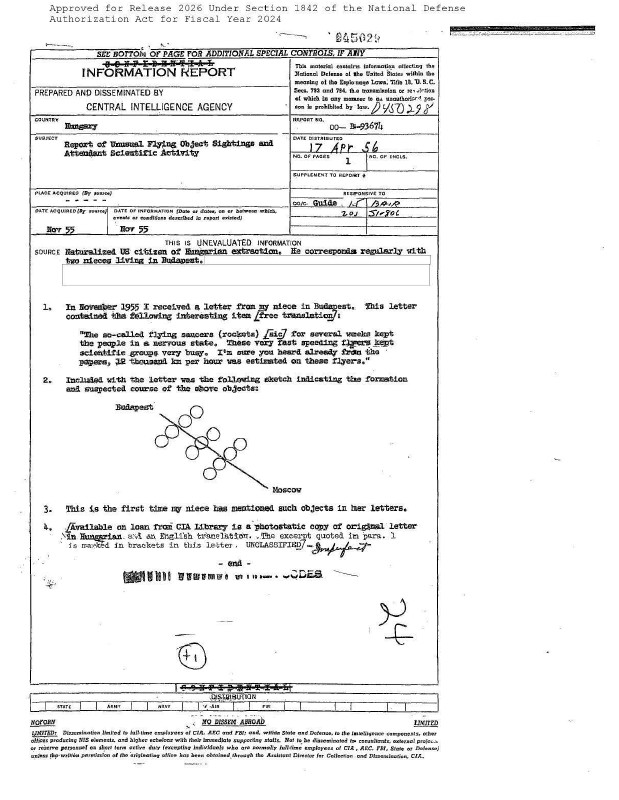
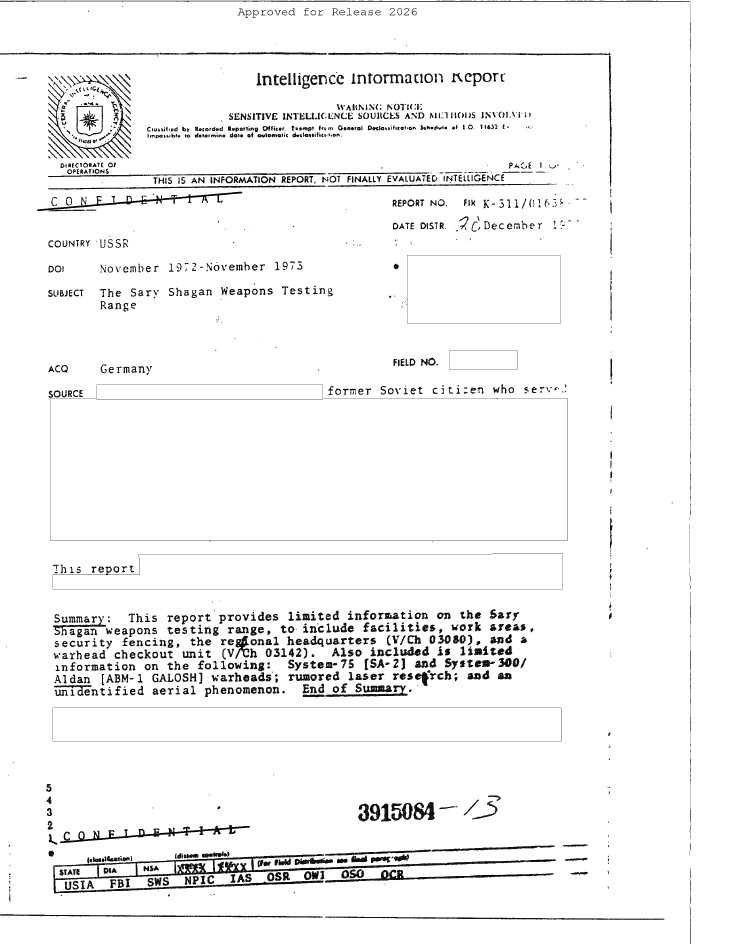
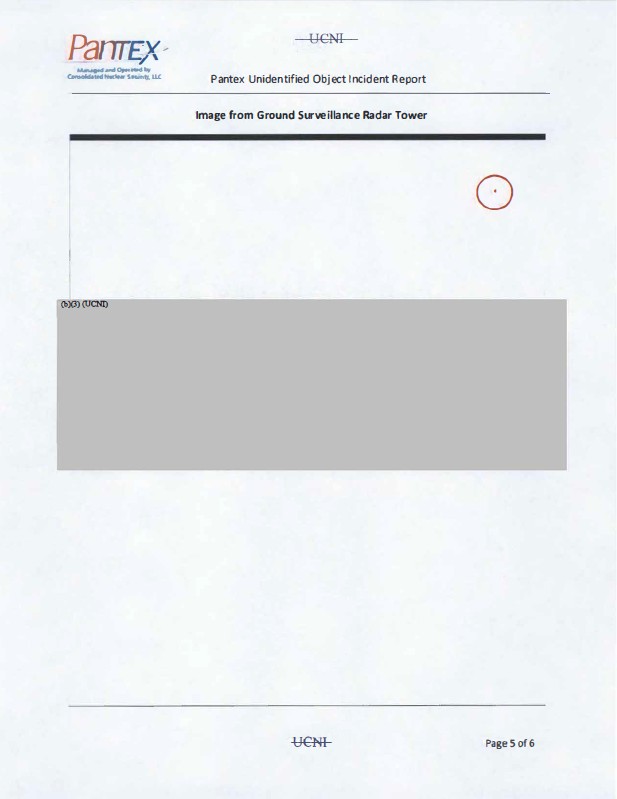
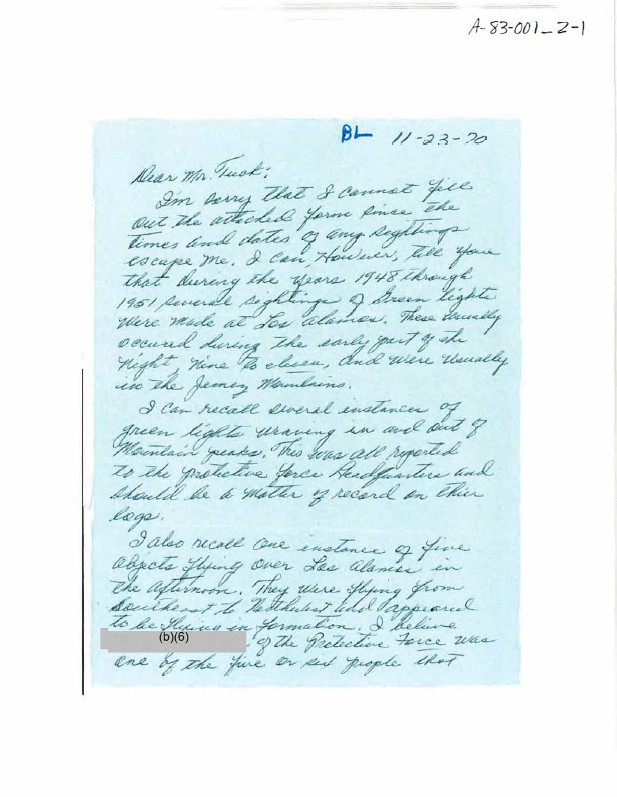
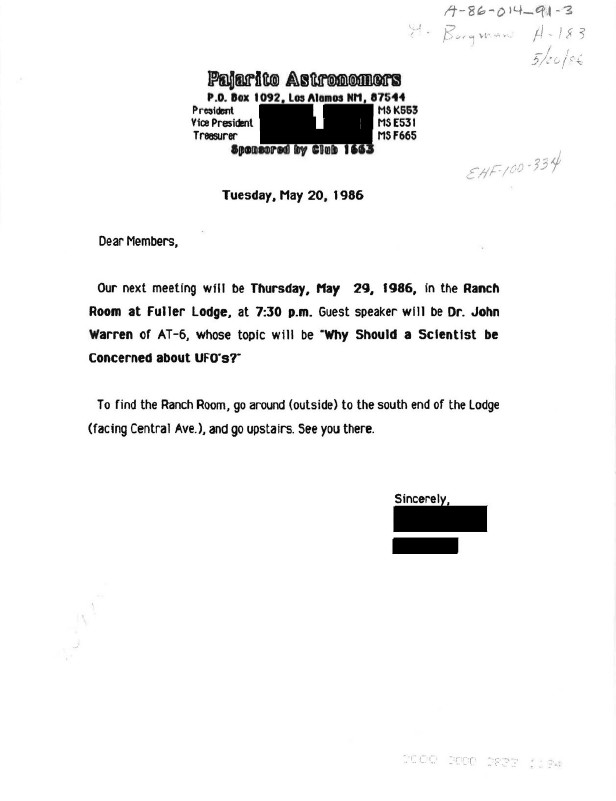
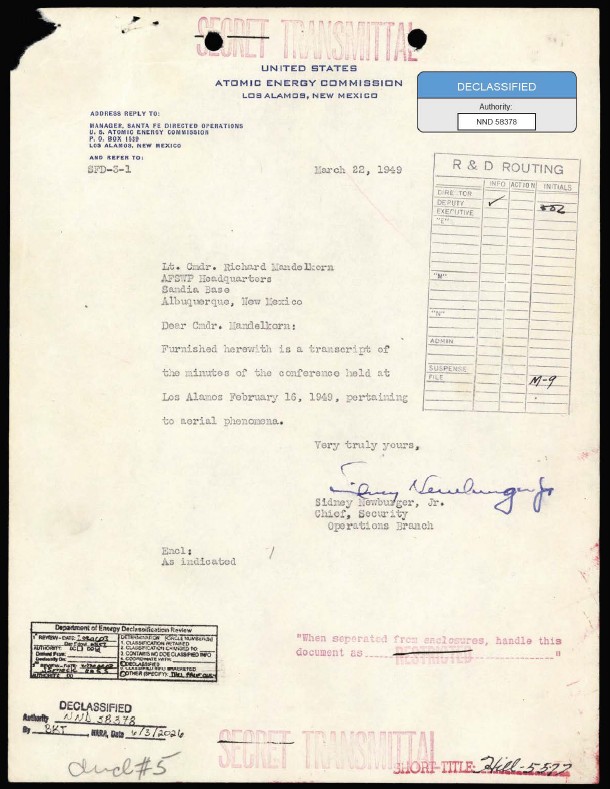




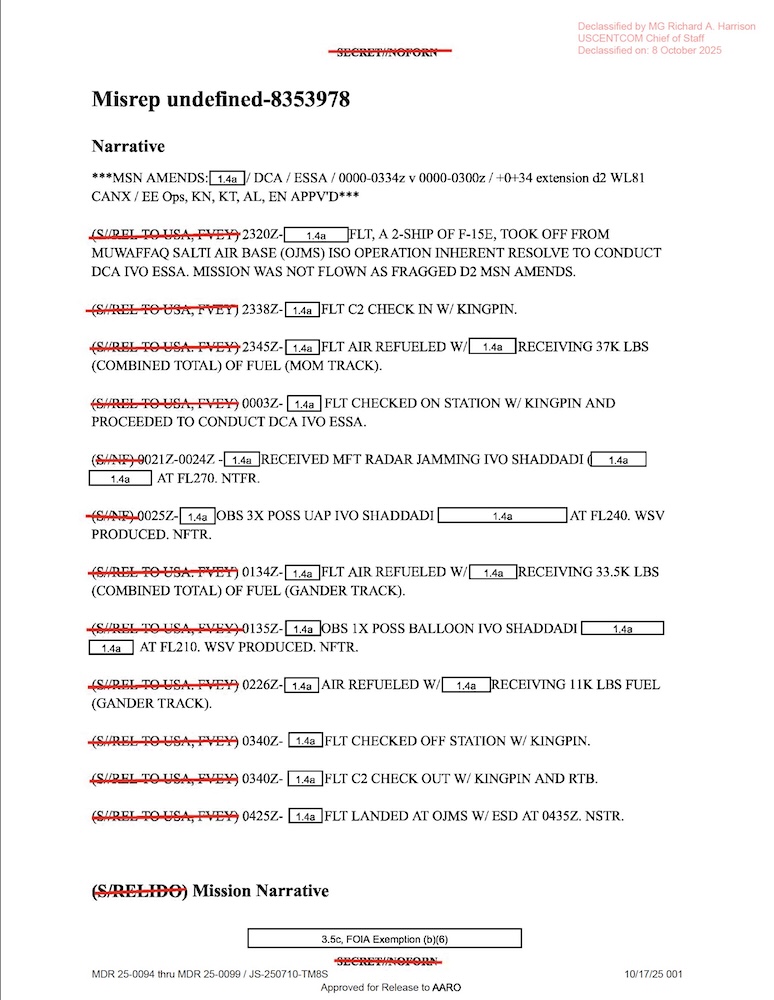
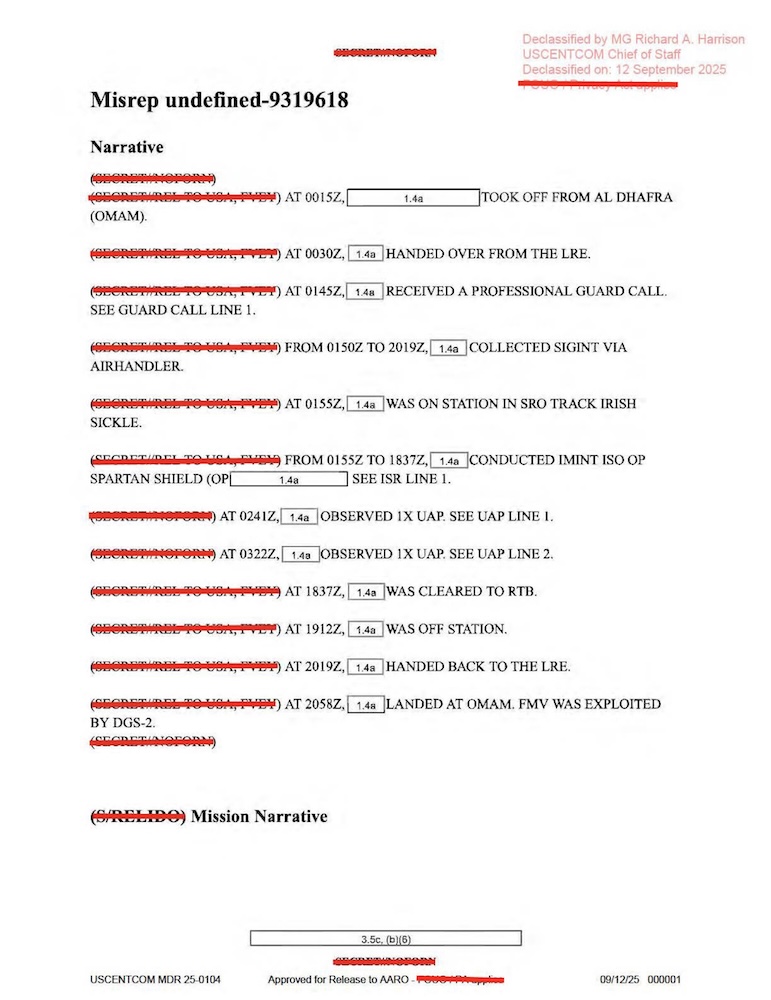
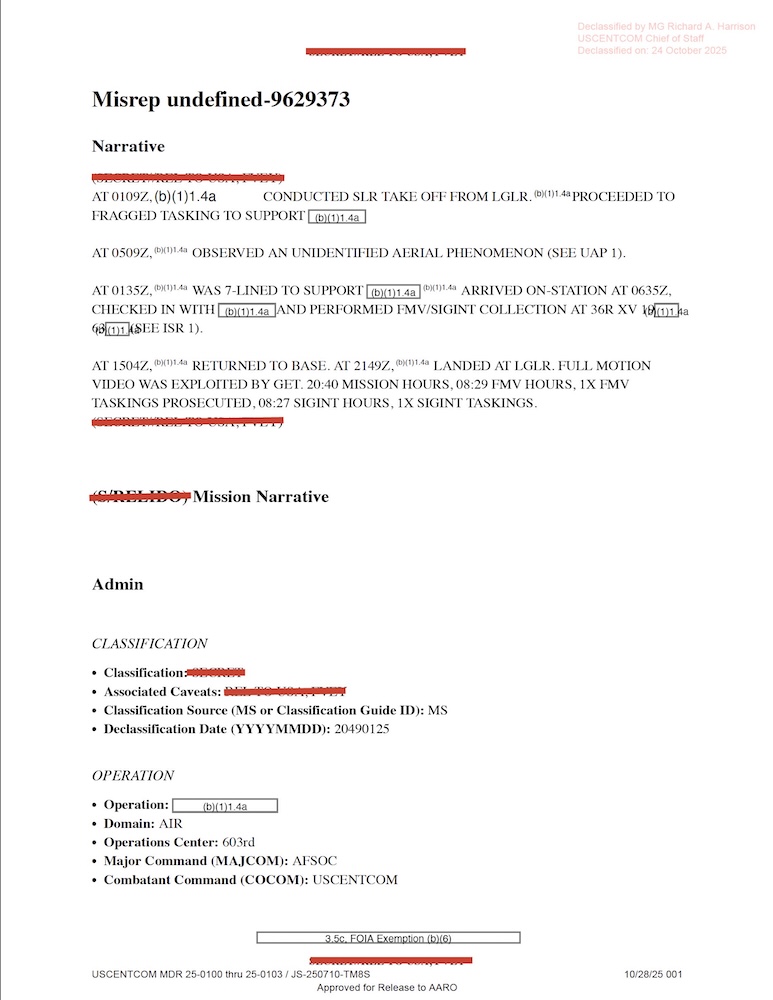
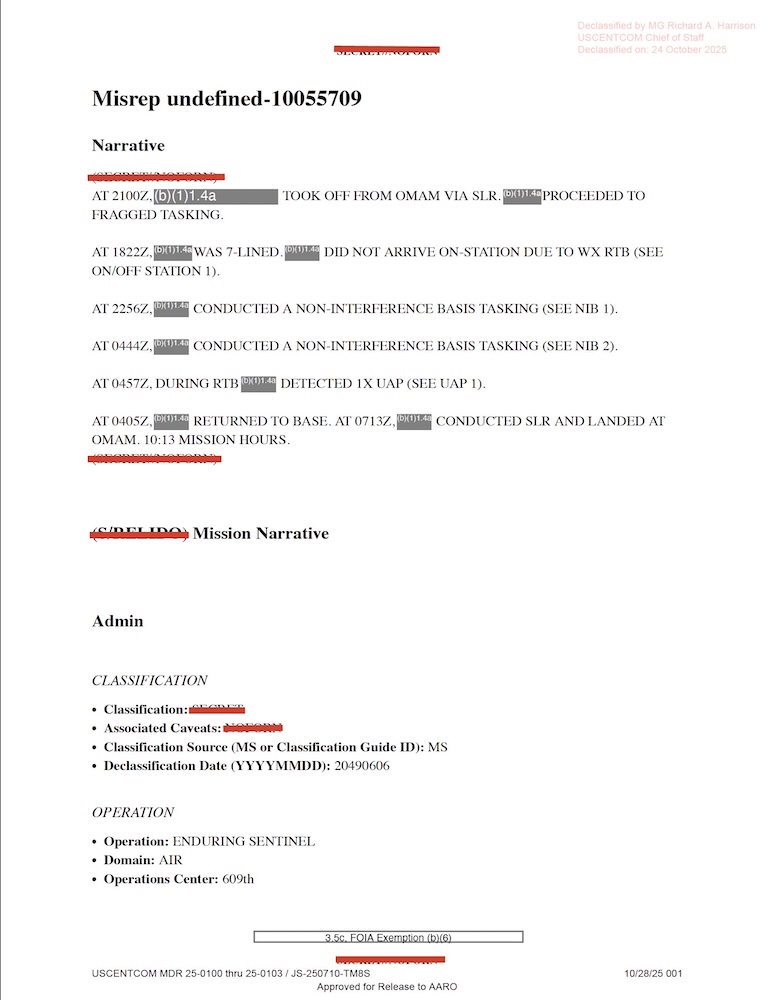
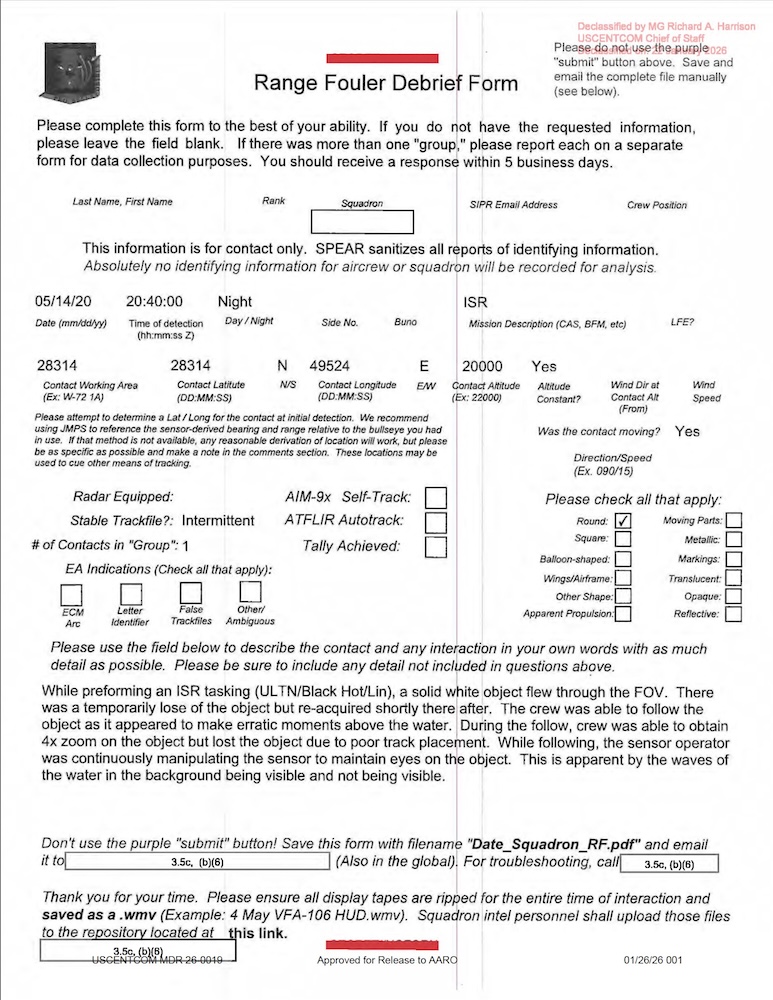
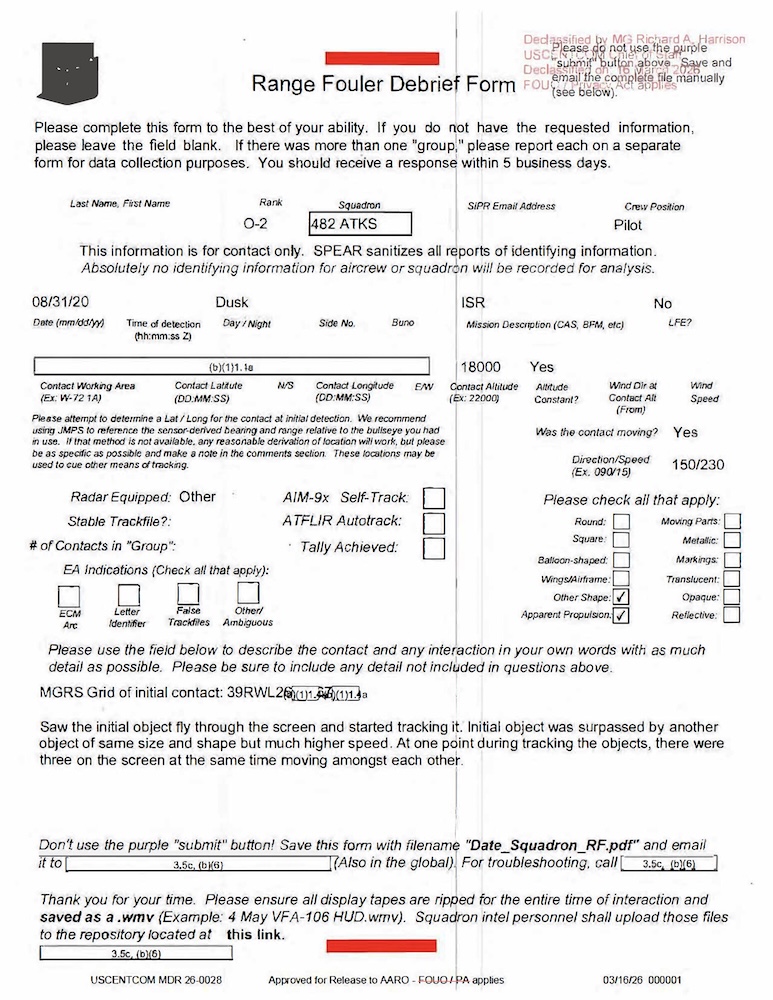
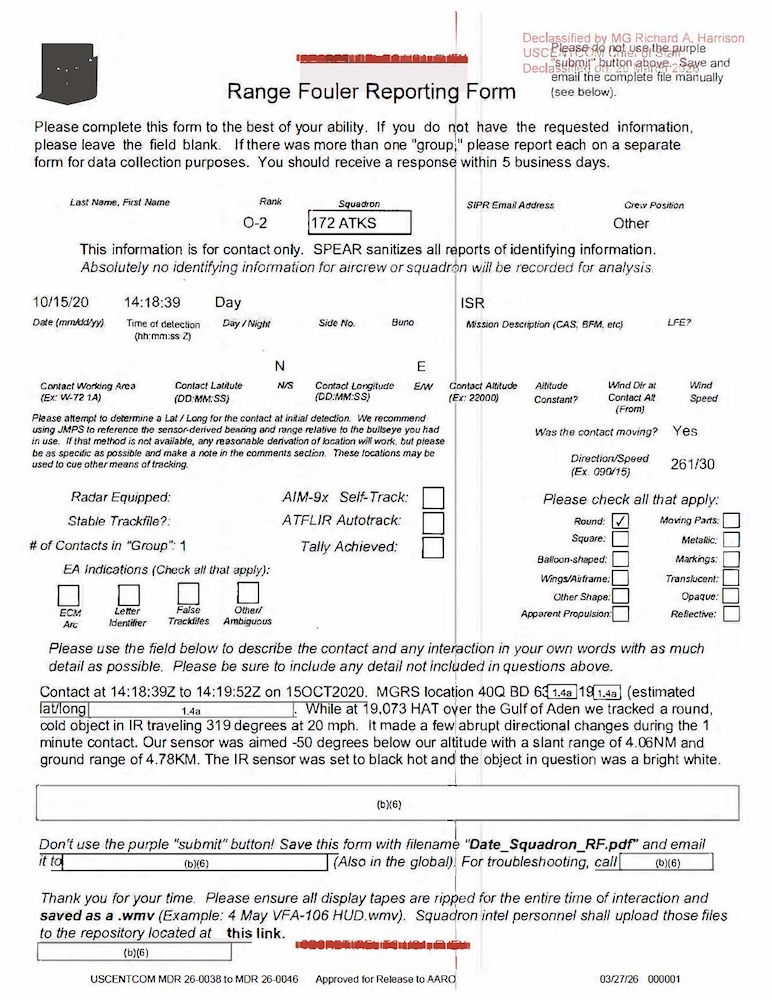

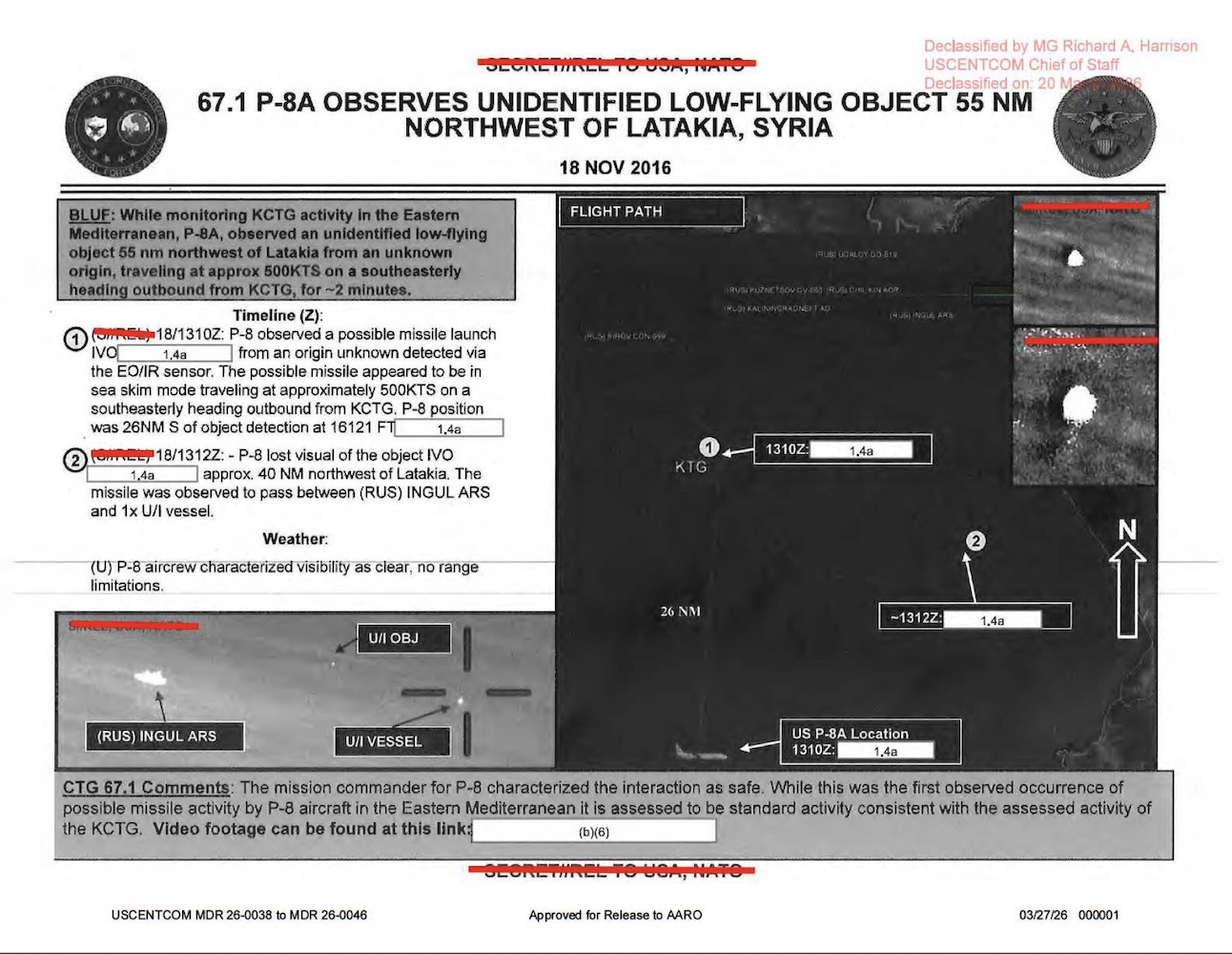
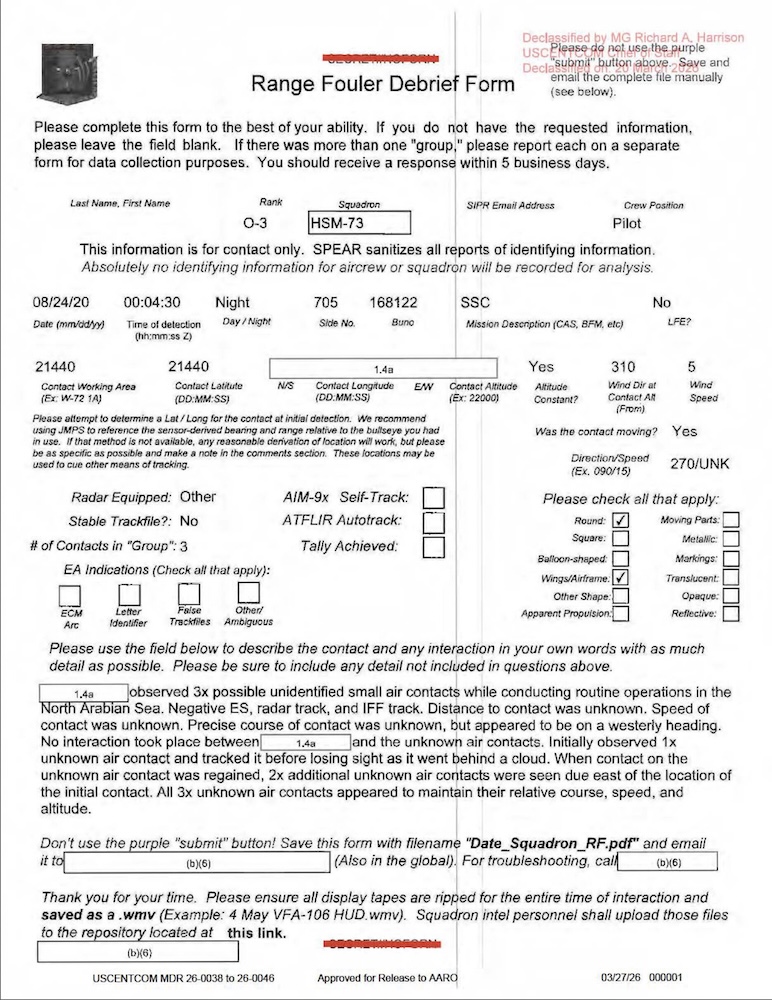
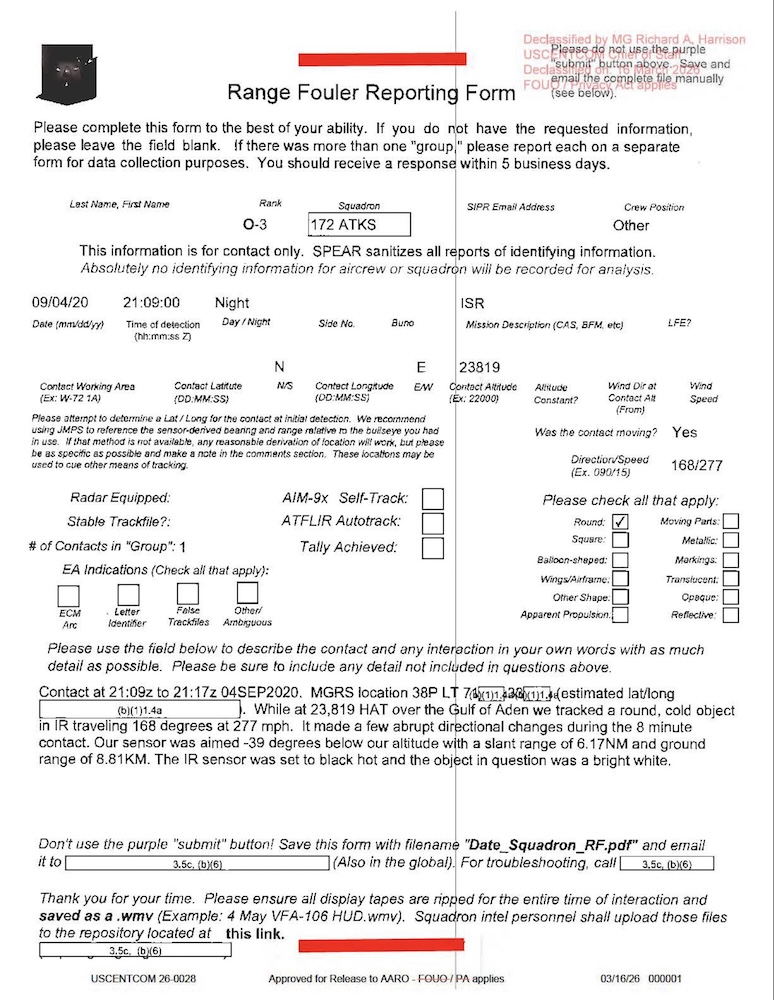
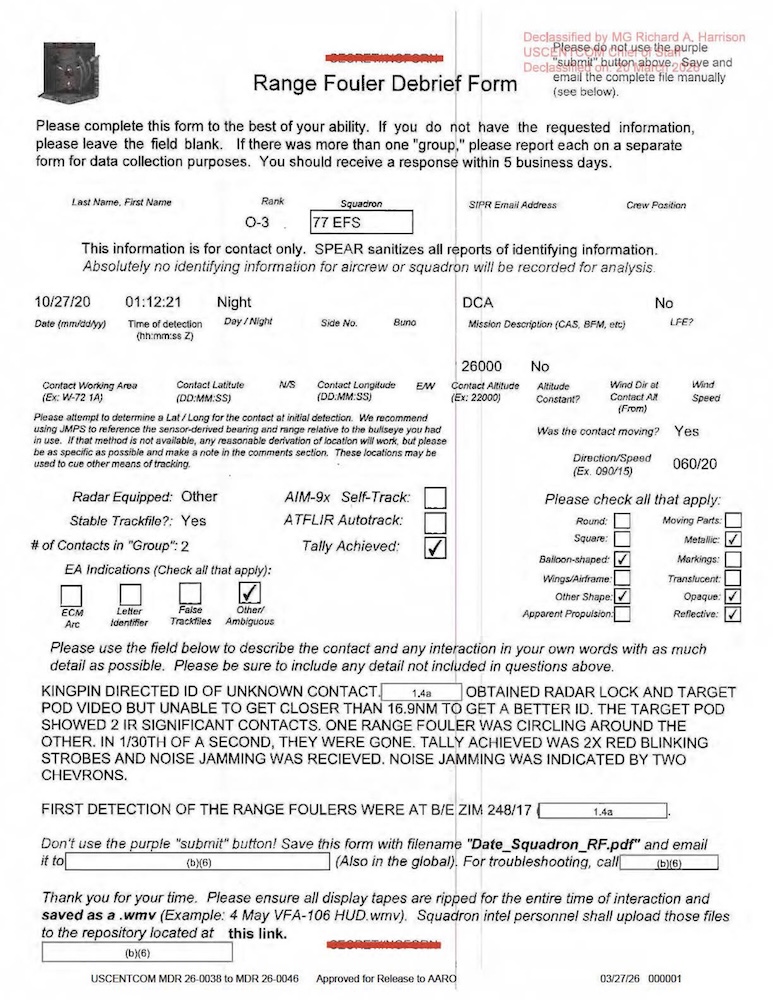
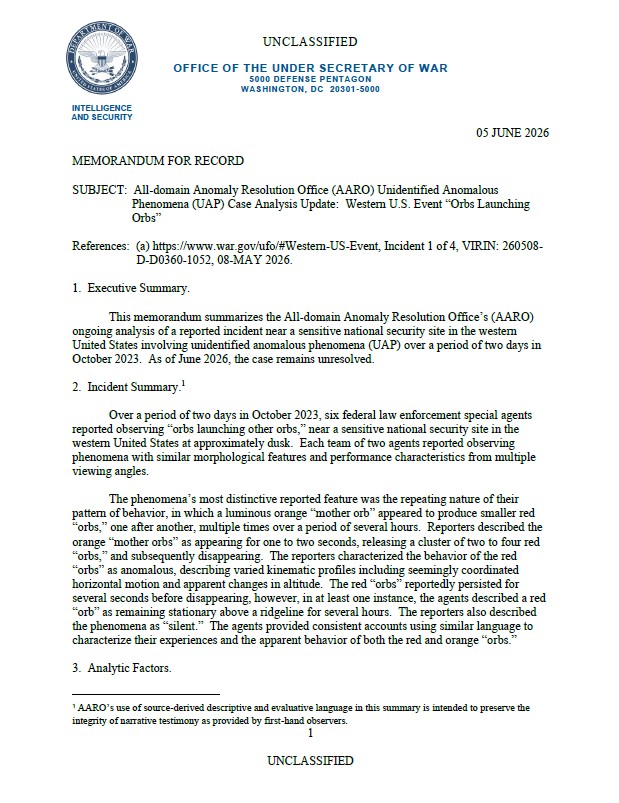
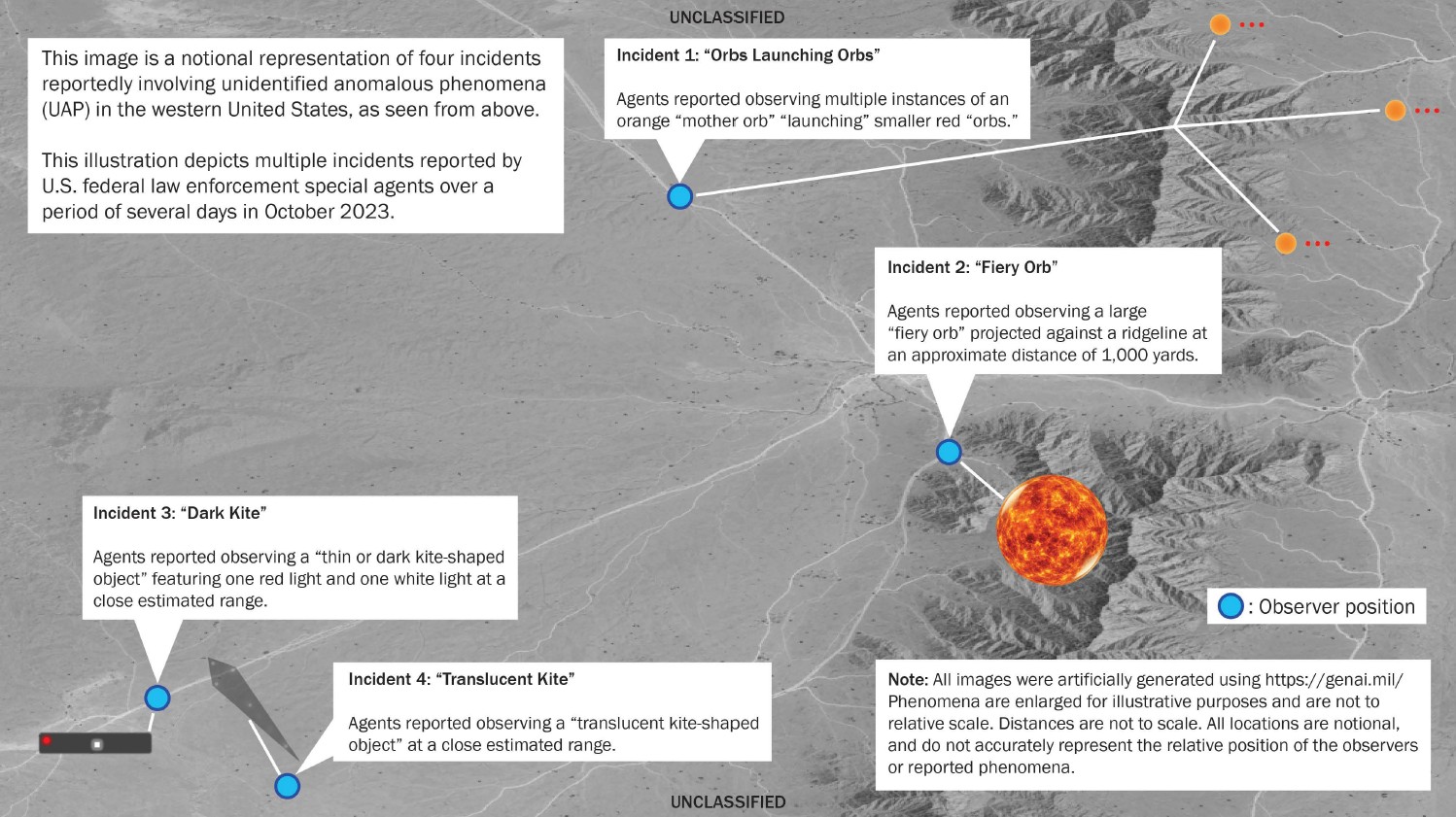
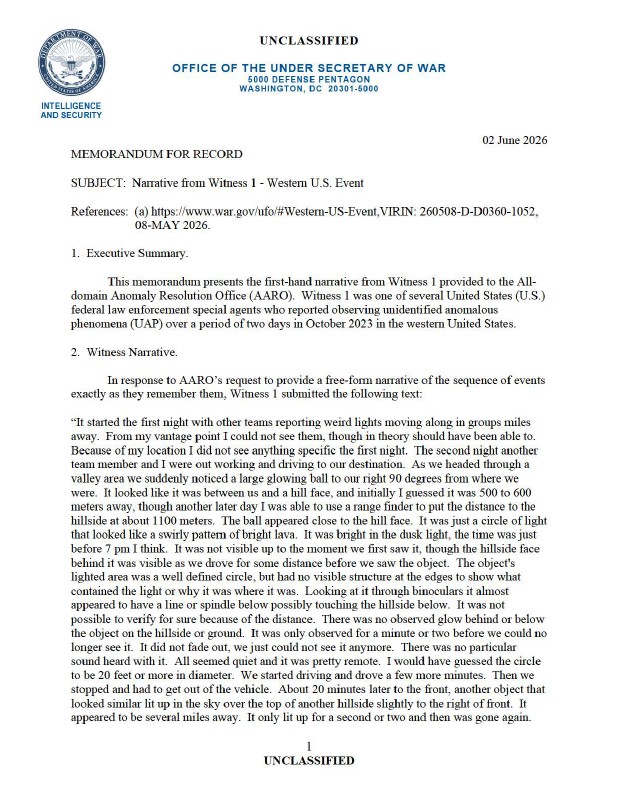
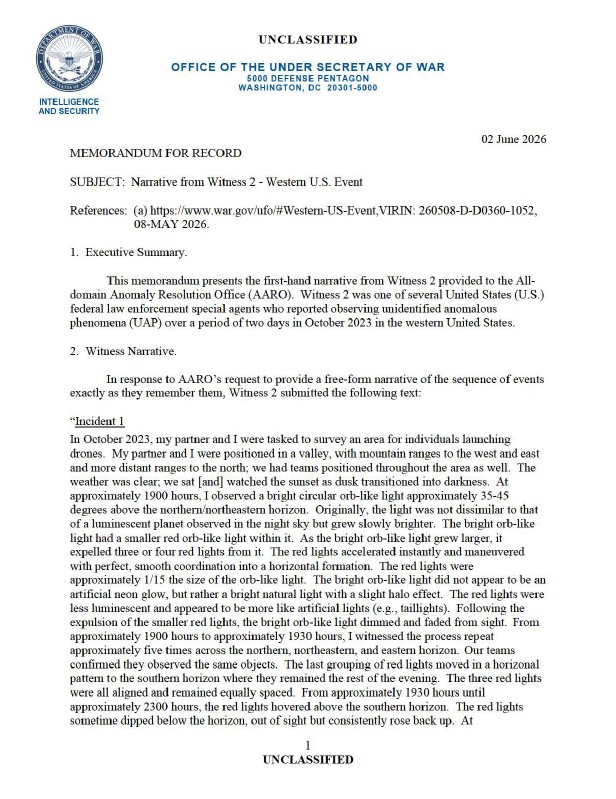
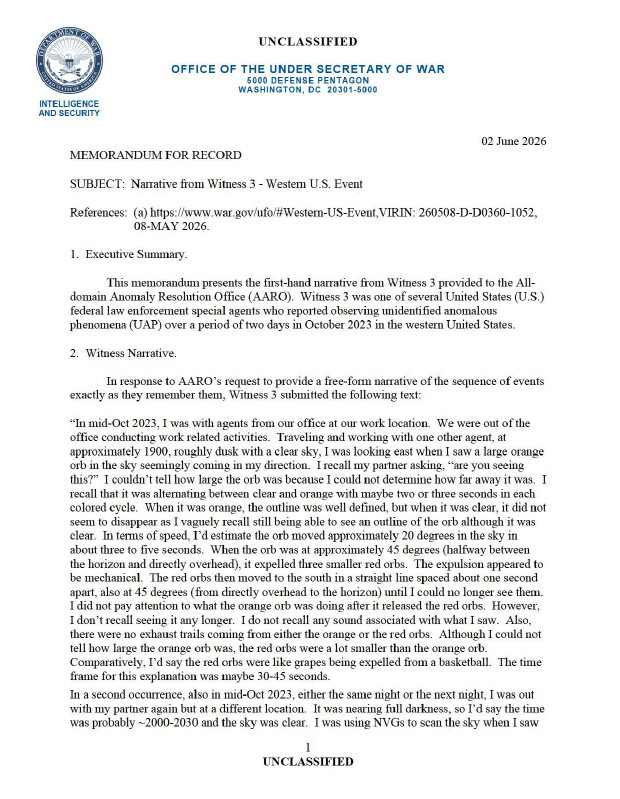
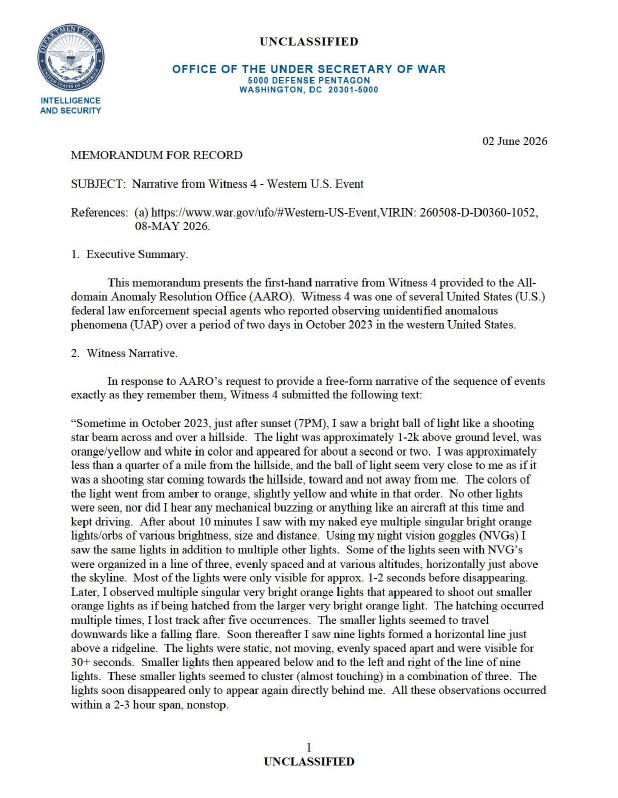
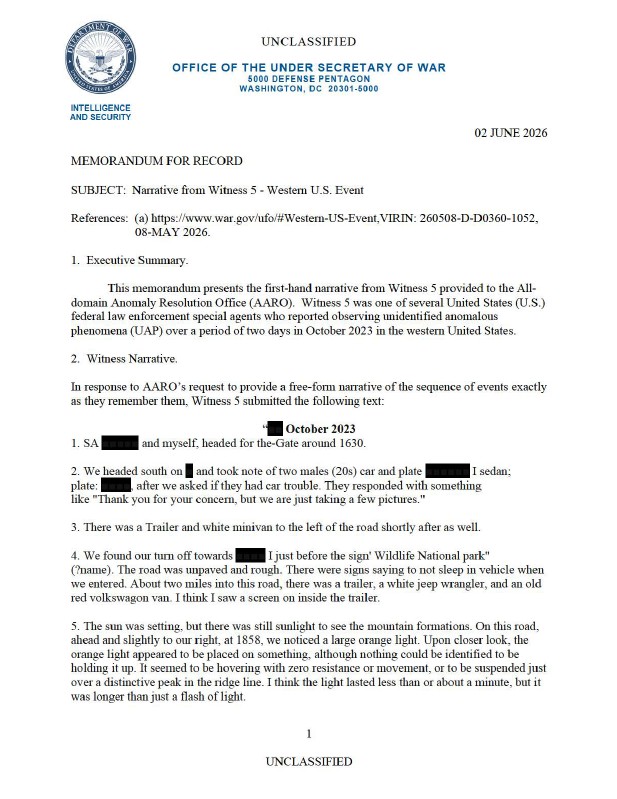
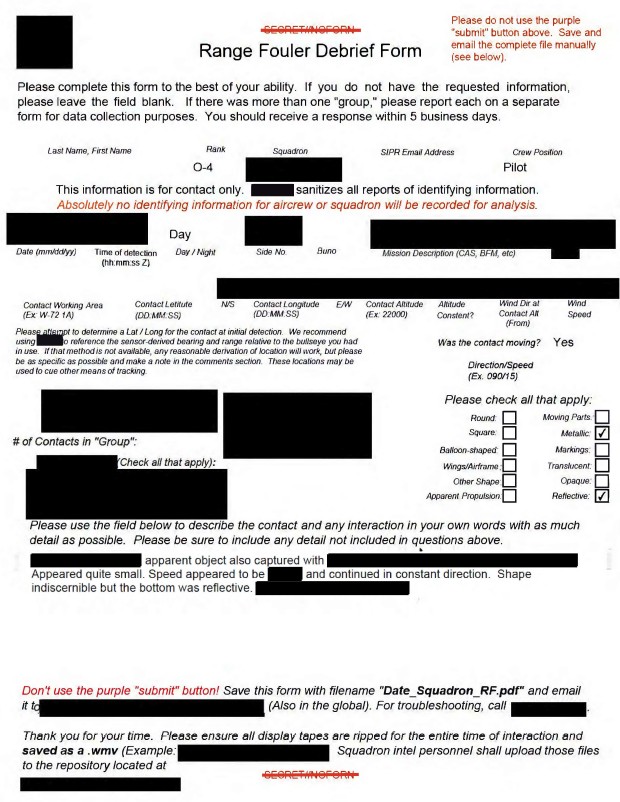
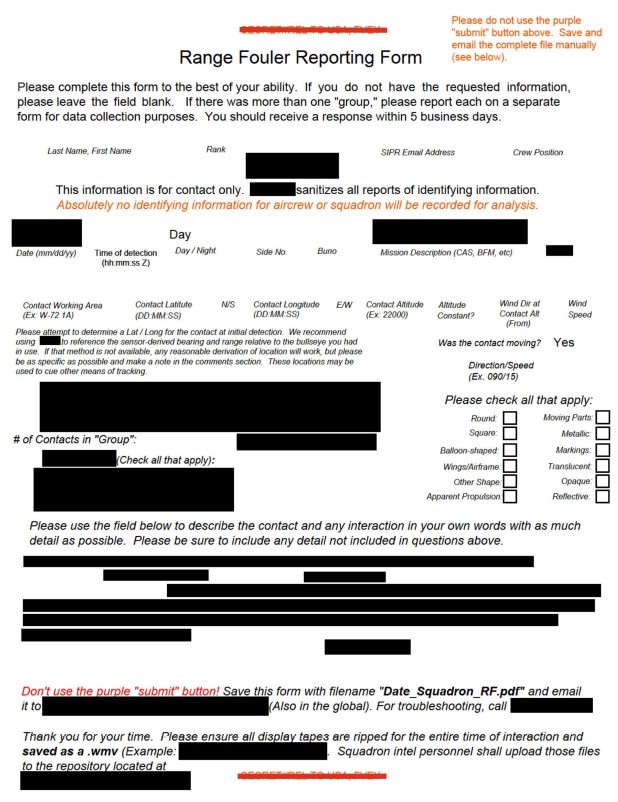
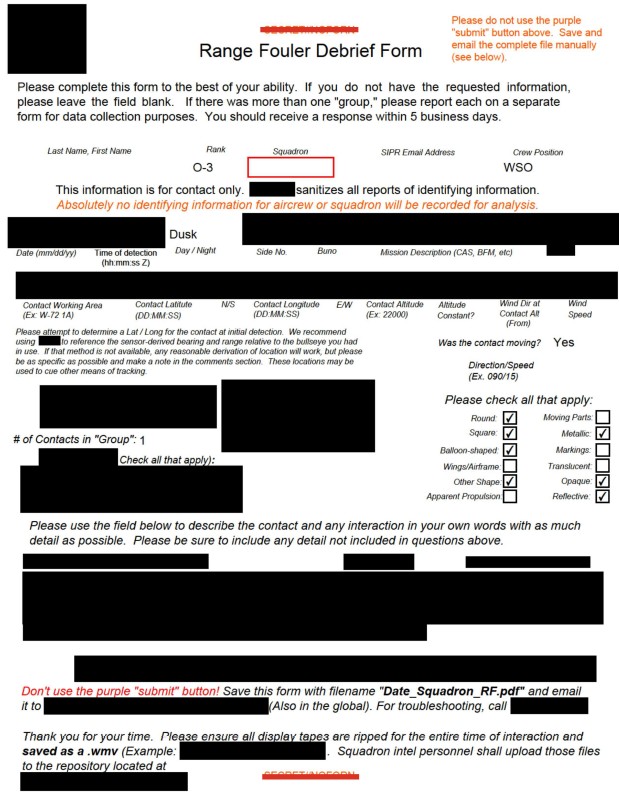
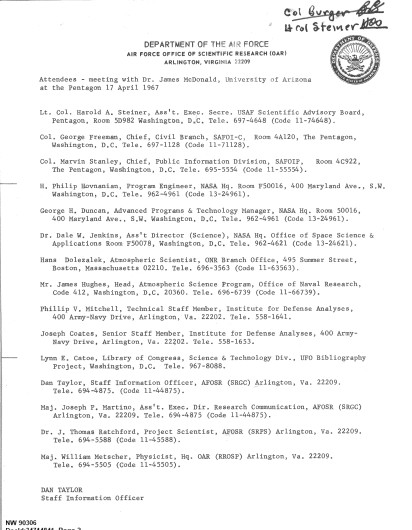
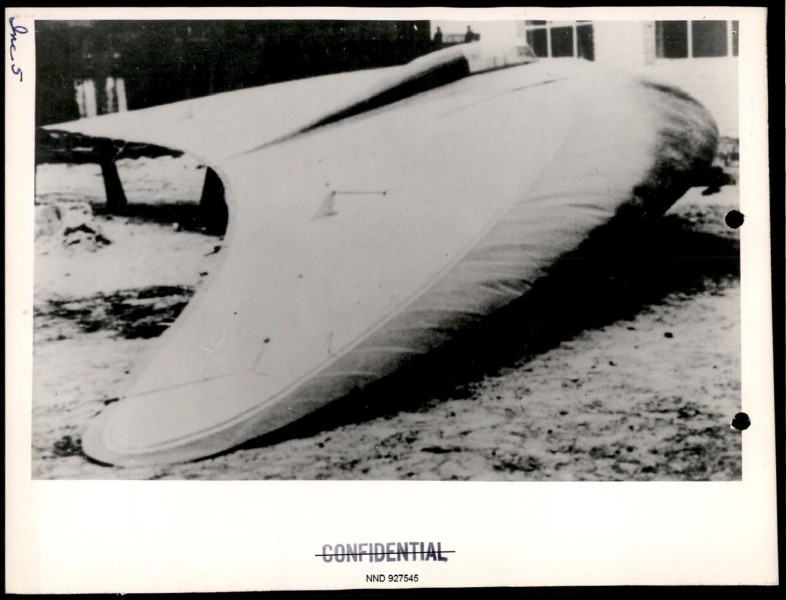
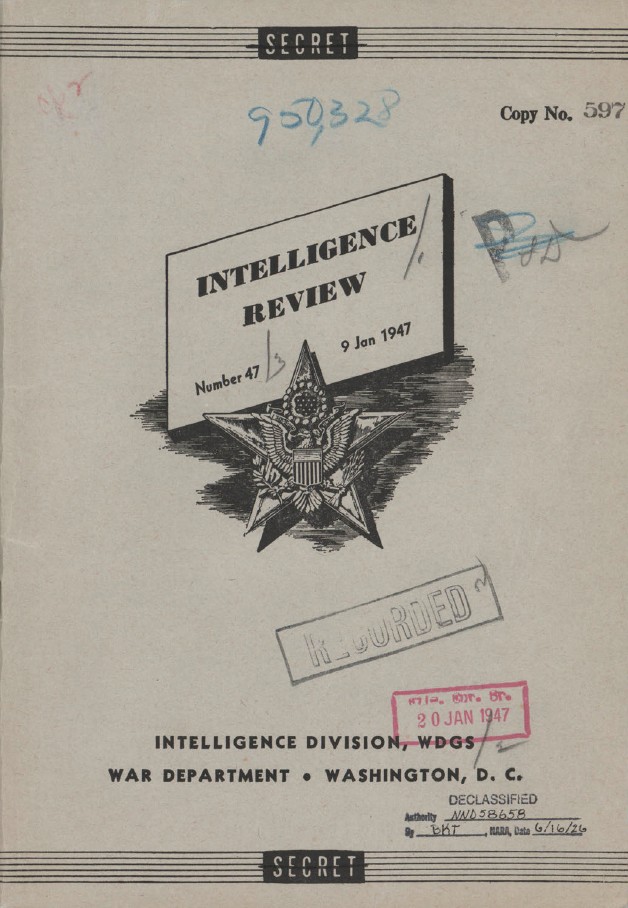
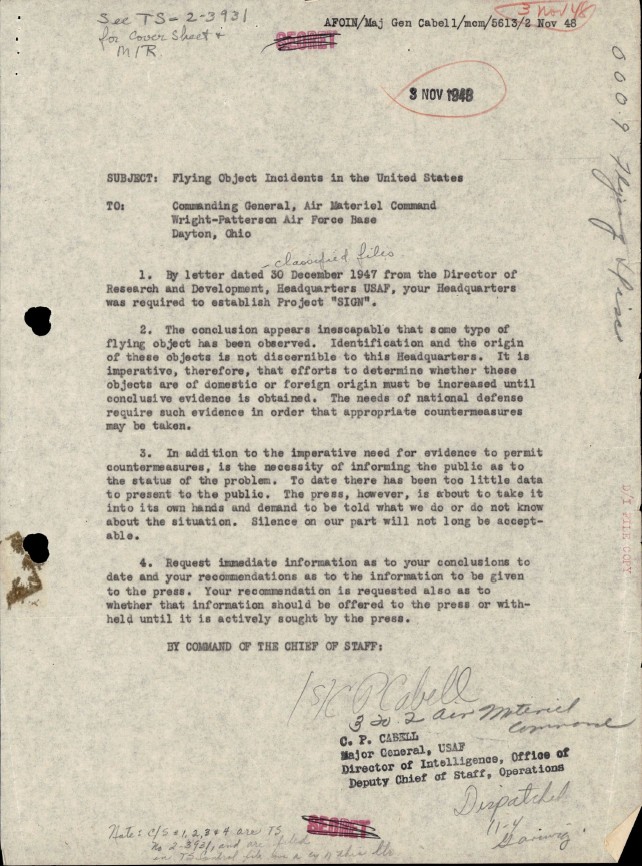
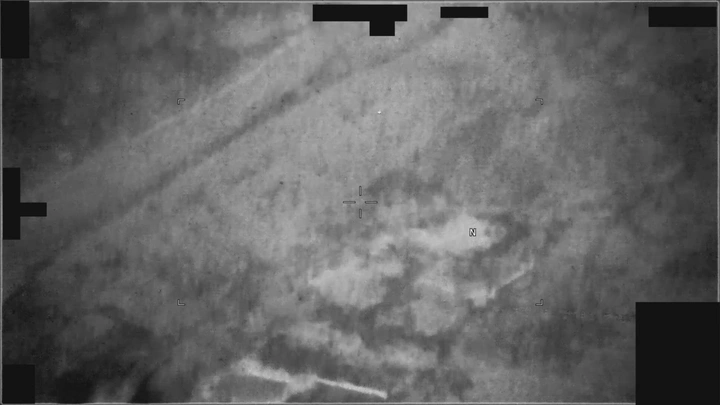
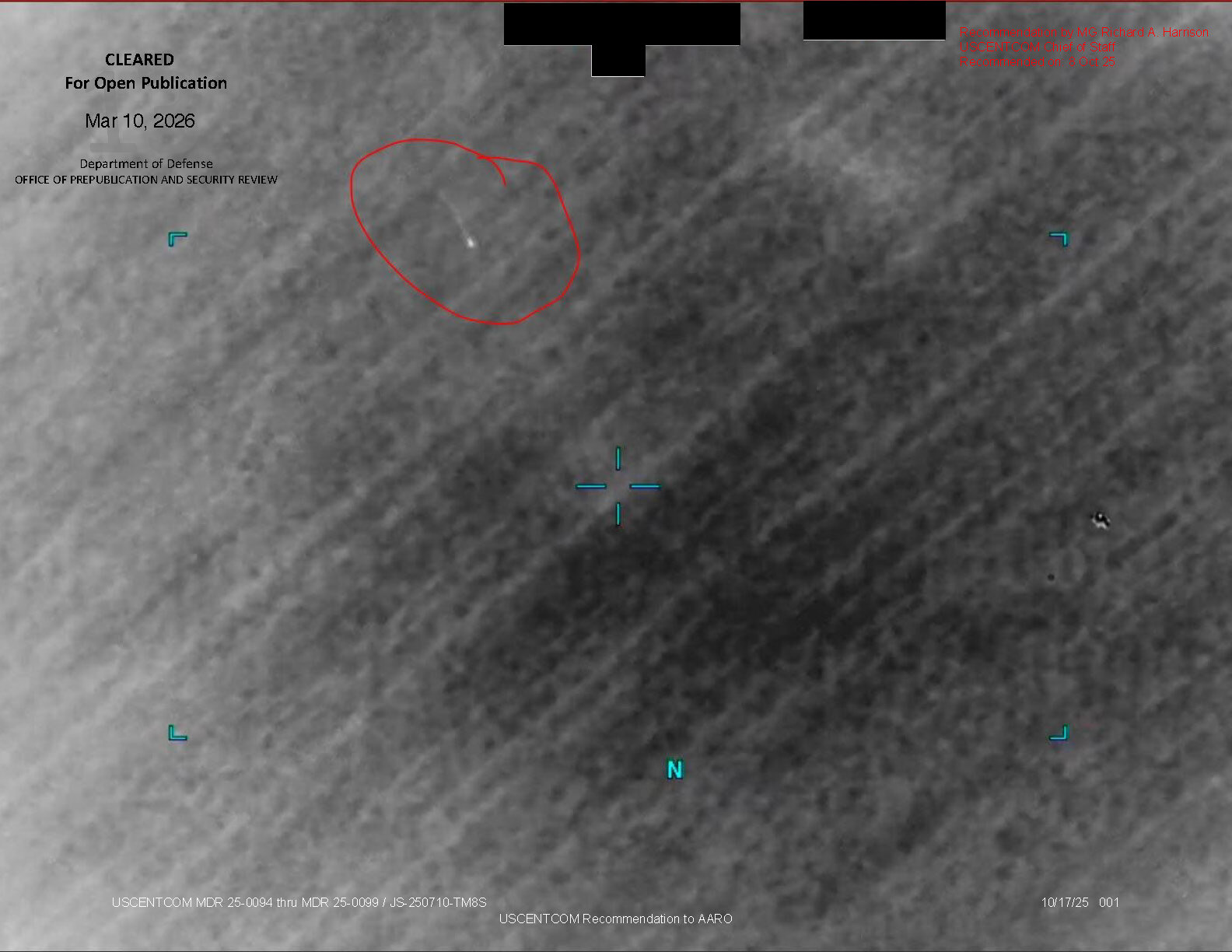
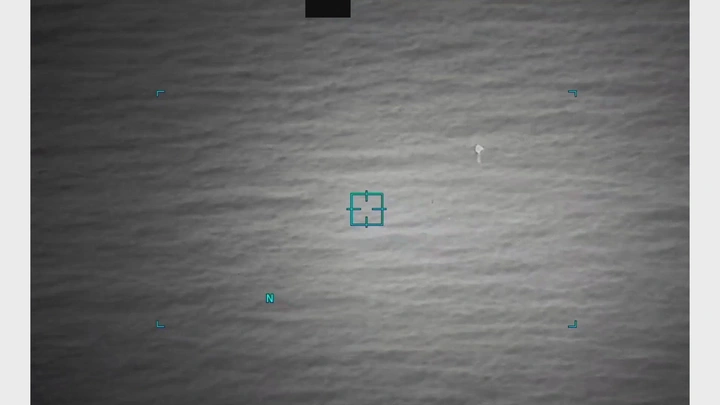
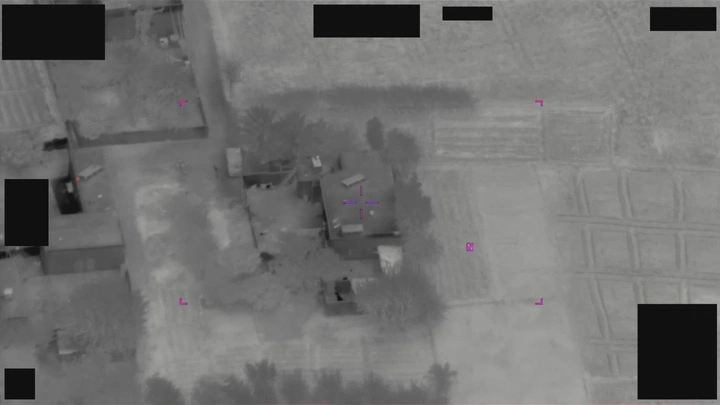
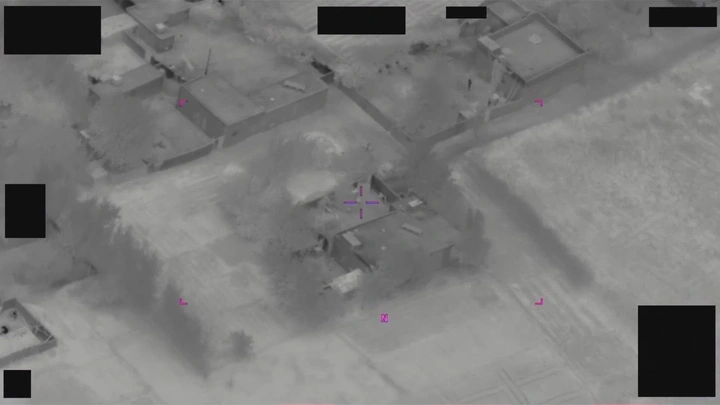
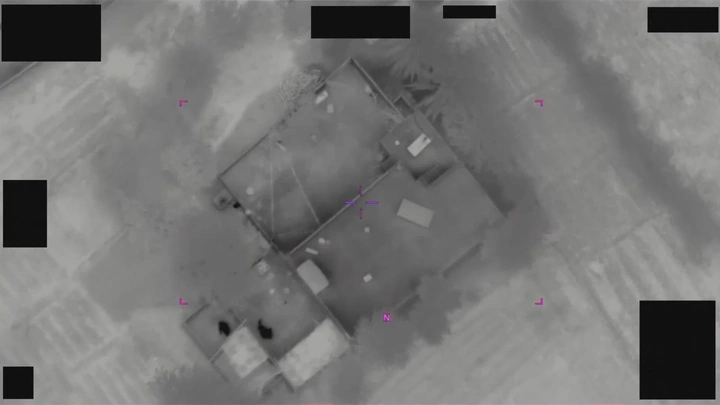
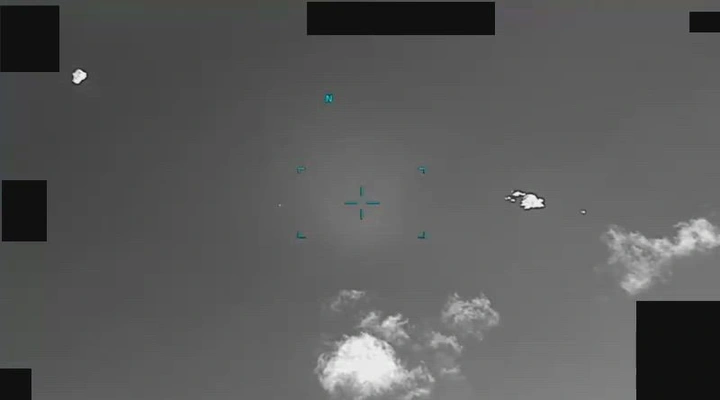
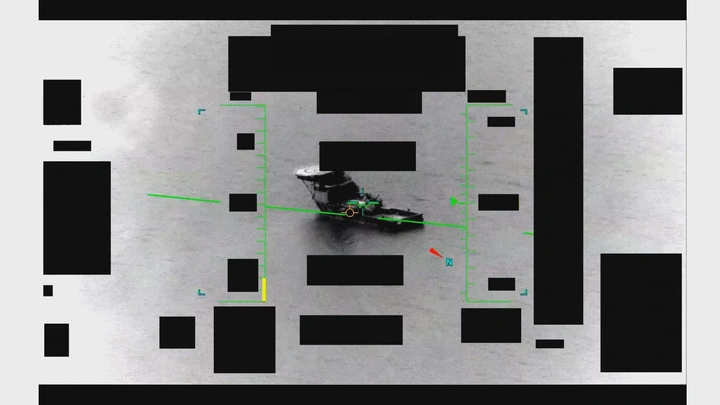
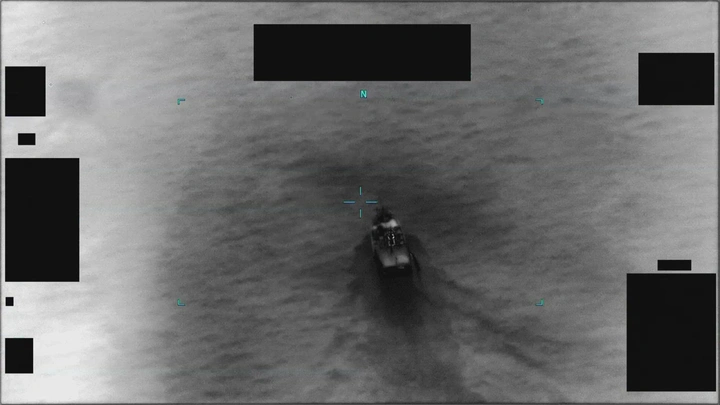
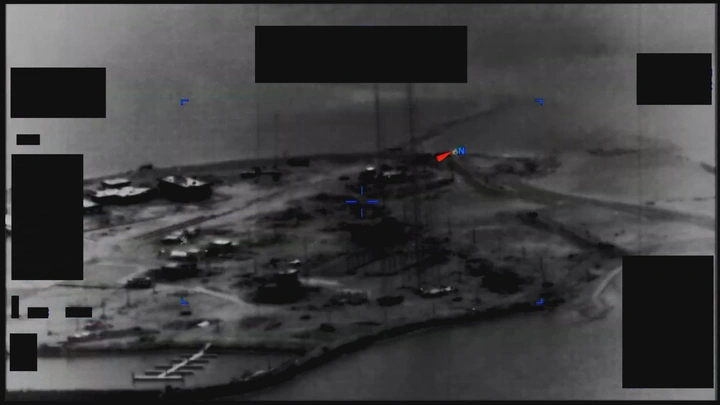
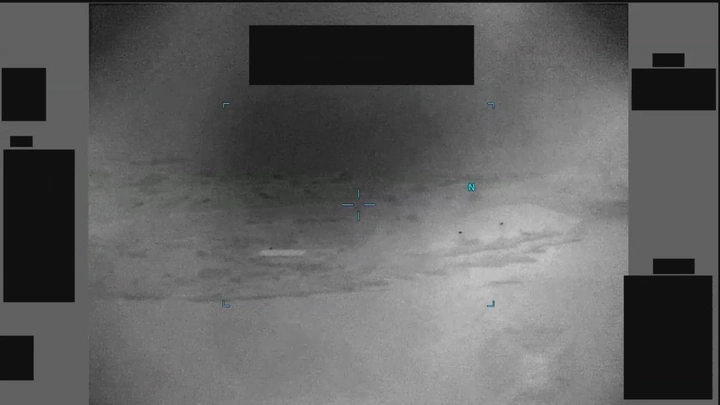
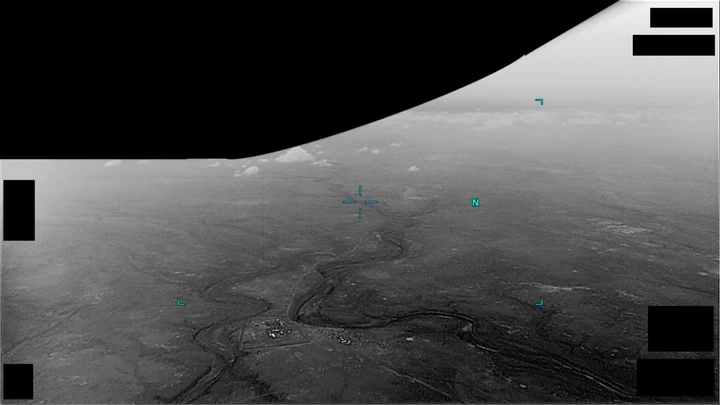
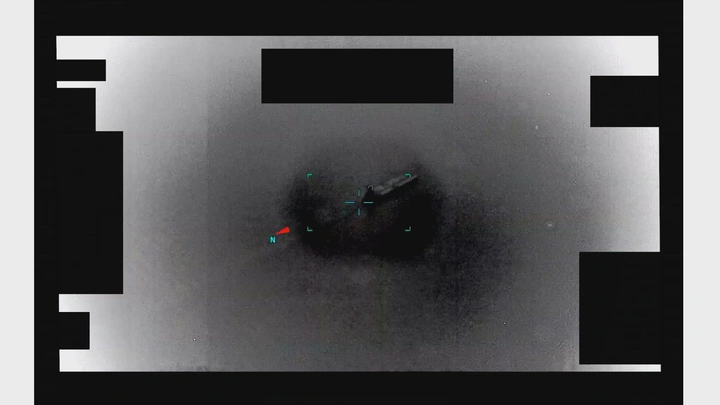
![DOW-UAP-PR050, "4 UAP Formation Iran 26 Aug 2022 over water [CALLSIGN]"](https://disclosure.us-east-1.linodeobjects.com/d1ldvf68ux039x.cloudfront.net/thumbs/frames/video/2605/1007706/DOD_111719709.0000001/720w_q95.jpg)
![DOW-UAP-PR052, "UAP USO Formation [CALLSIGN] (Mission)"](https://disclosure.us-east-1.linodeobjects.com/d1ldvf68ux039x.cloudfront.net/thumbs/frames/video/2605/1007708/DOD_111719718.0000001/720w_q95.jpg)
![DOW-UAP-PR054, "Spherical UAP Erratic movement [CALLSIGN] (Mission) 2022"](https://disclosure.us-east-1.linodeobjects.com/d1ldvf68ux039x.cloudfront.net/thumbs/frames/video/2605/1007711/DOD_111719726.0000001/720w_q95.jpg)
![DOW-UAP-PR056, "Spherical UAP pulsing over water [CALLSIGN]"](https://disclosure.us-east-1.linodeobjects.com/d1ldvf68ux039x.cloudfront.net/thumbs/frames/video/2605/1007718/DOD_111719741.0000001/720w_q95.jpg)
![DOW-UAP-PR058, "[CALLSIGN] (Mission) UAP"](https://disclosure.us-east-1.linodeobjects.com/d1ldvf68ux039x.cloudfront.net/thumbs/frames/video/2605/1007723/DOD_111719800.0000001/720w_q95.jpg)
![DOW-UAP-PR060, "Spherical UAP [CALLSIGN] 2021/04/12 obj 2"](https://disclosure.us-east-1.linodeobjects.com/d1ldvf68ux039x.cloudfront.net/thumbs/frames/video/2605/1007734/DOD_111719823.0000001/720w_q95.jpg)
![DOW-UAP-PR061, "Spherical UAP [CALLSIGN] 2021/04/12 vid 0"](https://disclosure.us-east-1.linodeobjects.com/d1ldvf68ux039x.cloudfront.net/thumbs/frames/video/2605/1007735/DOD_111719828.0000001/720w_q95.jpg)
![DOW-UAP-PR062, "Spherical UAP [CALLSIGN] 2021/04/12 vid 1"](https://disclosure.us-east-1.linodeobjects.com/d1ldvf68ux039x.cloudfront.net/thumbs/frames/video/2605/1007739/DOD_111719847.0000001/720w_q95.jpg)
![DOW-UAP-PR063, "Spherical UAP [CALLSIGN] 2021/04/12 vid 2"](https://disclosure.us-east-1.linodeobjects.com/d1ldvf68ux039x.cloudfront.net/thumbs/frames/video/2605/1007740/DOD_111719850.0000001/720w_q95.jpg)
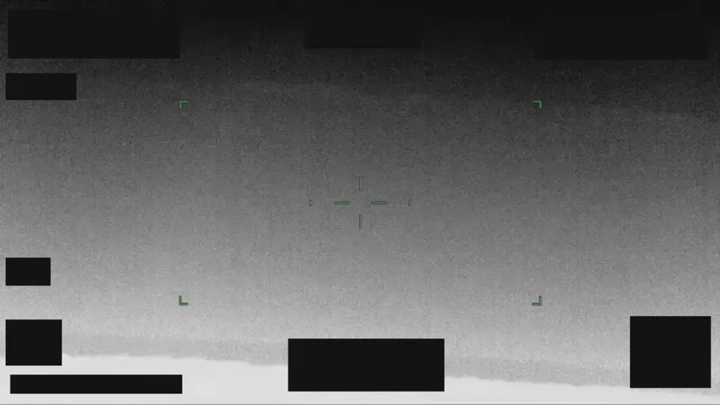
![DOW-UAP-PR067, "Multiple Spherical UAP USO near Sub. [CALLSIGN] 2022/03/25 in and out of water"](https://disclosure.us-east-1.linodeobjects.com/d1ldvf68ux039x.cloudfront.net/thumbs/frames/video/2605/1007779/DOD_111720696.0000001/720w_q95.jpg)
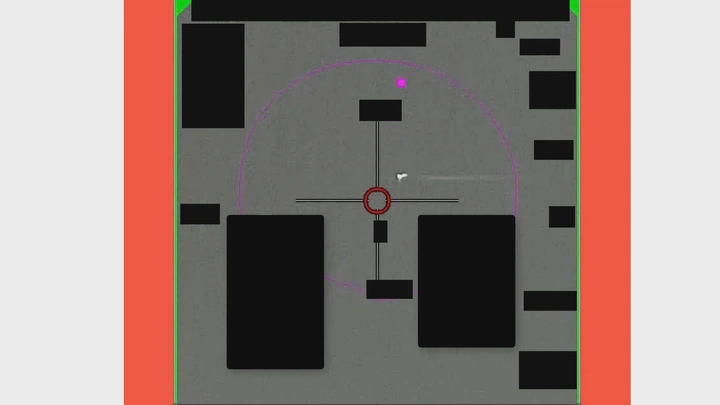
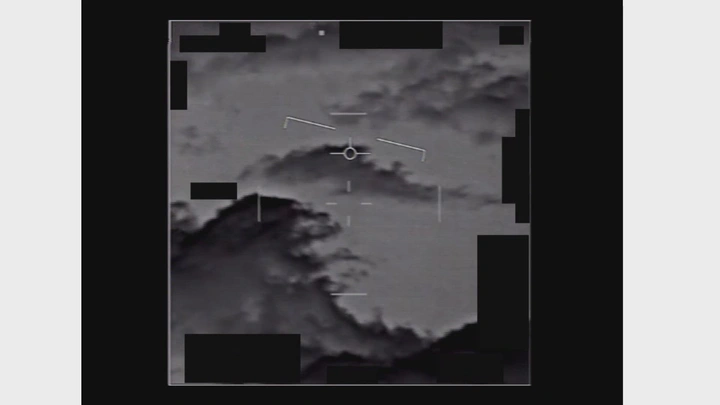
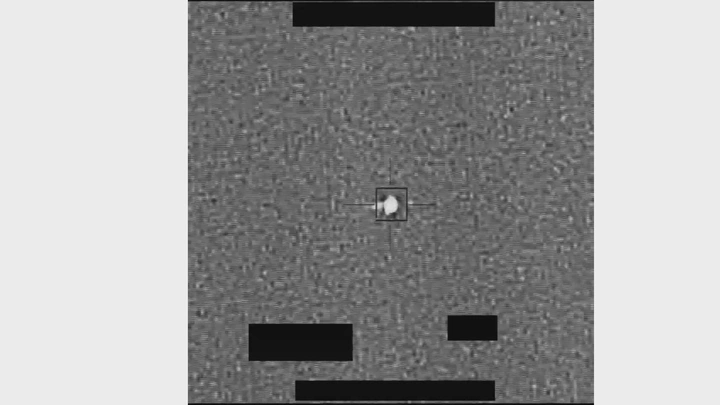
![DOW-UAP-PR071, "USAF ANG F-16C (callsign [CALLSIGN]) Shoots Down UAP over Lake Huron with [Weapon System], 12 Feb 2023"](https://disclosure.us-east-1.linodeobjects.com/d1ldvf68ux039x.cloudfront.net/thumbs/frames/video/2605/1007784/DOD_111720731.0000001/720w_q95.jpg)
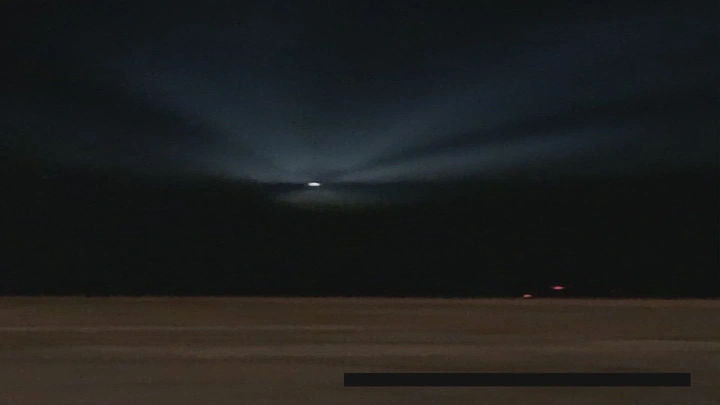

![DOW-UAP-PR074, "[CALLSIGN] (Mission)HD_20220613"](https://disclosure.us-east-1.linodeobjects.com/d1ldvf68ux039x.cloudfront.net/thumbs/frames/video/2605/1007791/DOD_111720775.0000001/720w_q95.jpg)
![DOW-UAP-PR075, "09JUN2021 [Platform] observed UAP in the ECS"](https://disclosure.us-east-1.linodeobjects.com/d1ldvf68ux039x.cloudfront.net/thumbs/frames/video/2605/1007795/DOD_111720809.0000001/720w_q95.jpg)
![DOW-UAP-PR076, "03 January 2021 [CALLSIGN] (Mission) observes UAP"](https://disclosure.us-east-1.linodeobjects.com/d1ldvf68ux039x.cloudfront.net/thumbs/frames/video/2605/1007804/DOD_111720857.0000001/720w_q95.jpg)
![DOW-UAP-PR077, "2 November 2020 [CALLSIGN] [CALLSIGN] Observes and tracks UAP 1 of 2"](https://disclosure.us-east-1.linodeobjects.com/d1ldvf68ux039x.cloudfront.net/thumbs/frames/video/2605/1007809/DOD_111720884.0000001/720w_q95.jpg)
![DOW-UAP-PR078, "2 November 2020 [CALLSIGN] [CALLSIGN] Observes and tracks UAP 2 of 2"](https://disclosure.us-east-1.linodeobjects.com/d1ldvf68ux039x.cloudfront.net/thumbs/frames/video/2605/1007812/DOD_111720890.0000001/720w_q95.jpg)
![DOW-UAP-PR079, "29 October 2020 [CALLSIGN] (Mission) observes 3 fast moving UAP's"](https://disclosure.us-east-1.linodeobjects.com/d1ldvf68ux039x.cloudfront.net/thumbs/frames/video/2605/1007816/DOD_111720899.0000001/720w_q95.jpg)
![DOW-UAP-PR080, "20 October 2020 [CALLSIGN] [CALLSIGN] Observes UAP"](https://disclosure.us-east-1.linodeobjects.com/d1ldvf68ux039x.cloudfront.net/thumbs/frames/video/2605/1007803/DOD_111720856.0000006/720w_q95.jpg)
![DOW-UAP-PR081, "18 Oct 2020 [CALLSIGN] observes UAP"](https://disclosure.us-east-1.linodeobjects.com/d1ldvf68ux039x.cloudfront.net/thumbs/frames/video/2605/1007805/DOD_111720858.0000001/720w_q95.jpg)
![DOW-UAP-PR082, "16 OCT 2020 [CALLSIGN] views UAP"](https://disclosure.us-east-1.linodeobjects.com/d1ldvf68ux039x.cloudfront.net/thumbs/frames/video/2605/1007807/DOD_111720861.0000001/720w_q95.jpg)
![DOW-UAP-PR083, "7 October 2020 [CALLSIGN] observes UAP"](https://disclosure.us-east-1.linodeobjects.com/d1ldvf68ux039x.cloudfront.net/thumbs/frames/video/2605/1007808/DOD_111720883.0000001/720w_q95.jpg)
![DOW-UAP-PR084, "17 Sept 2020 [CALLSIGN] observes UAP"](https://disclosure.us-east-1.linodeobjects.com/d1ldvf68ux039x.cloudfront.net/thumbs/frames/video/2605/1007810/DOD_111720886.0000001/720w_q95.jpg)
![DOW-UAP-PR085, "16 Sept 2020 [CALLSIGN] [CALLSIGN] observes UAP"](https://disclosure.us-east-1.linodeobjects.com/d1ldvf68ux039x.cloudfront.net/thumbs/frames/video/2605/1007796/DOD_111720822.0000001/720w_q95.jpg)
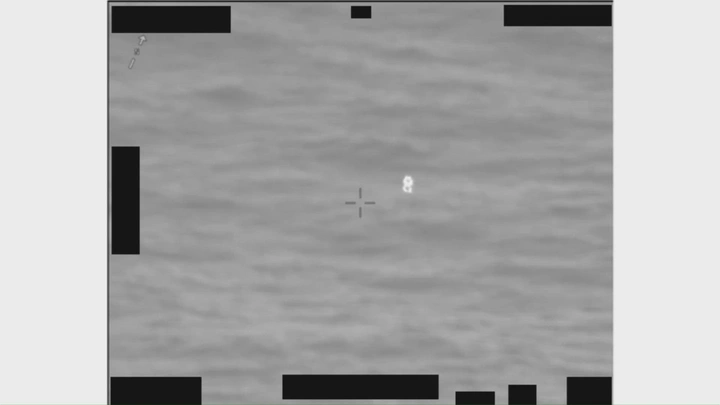
![DOW-UAP-PR087, "05 September 2020 [CALLSIGN] UAP"](https://disclosure.us-east-1.linodeobjects.com/d1ldvf68ux039x.cloudfront.net/thumbs/frames/video/2605/1007799/DOD_111720830.0000001/720w_q95.jpg)
![DOW-UAP-PR088, "31 AUG [CALLSIGN] [CALLSIGN] Observes UAP"](https://disclosure.us-east-1.linodeobjects.com/d1ldvf68ux039x.cloudfront.net/thumbs/frames/video/2605/1007800/DOD_111720843.0000001/720w_q95.jpg)
![DOW-UAP-PR089, "31 AUG [CALLSIGN] [CALLSIGN] Observes UAP part2"](https://disclosure.us-east-1.linodeobjects.com/d1ldvf68ux039x.cloudfront.net/thumbs/frames/video/2605/1007712/DOD_111719730.0000001/720w_q95.jpg)
![DOW-UAP-PR090, "24 AUG 2020 [CALLSIGN] (Mission) Observes UAP"](https://disclosure.us-east-1.linodeobjects.com/d1ldvf68ux039x.cloudfront.net/thumbs/frames/video/2605/1007719/DOD_111719746.0000001/720w_q95.jpg)
![DOW-UAP-PR091, "21 AUG [CALLSIGN] Observes UAP in Persian Gulf"](https://disclosure.us-east-1.linodeobjects.com/d1ldvf68ux039x.cloudfront.net/thumbs/frames/video/2605/1007716/DOD_111719739.0000001/720w_q95.jpg)
![DOW-UAP-PR092, "08 AUG 2020 [CALLSIGN] [CALLSIGN] UAP observation"](https://disclosure.us-east-1.linodeobjects.com/d1ldvf68ux039x.cloudfront.net/thumbs/frames/video/2605/1007715/DOD_111719736.0000001/720w_q95.jpg)
![DOW-UAP-PR093, "May 05 2020 Gulf of Arabia [CALLSIGN] (Platform) Dual UAP"](https://disclosure.us-east-1.linodeobjects.com/d1ldvf68ux039x.cloudfront.net/thumbs/frames/video/2605/1007721/DOD_111719795.0000001/720w_q95.jpg)
![DOW-UAP-PR094, "[CALLSIGN] (Mission) - HD 2020-02-13"](https://disclosure.us-east-1.linodeobjects.com/d1ldvf68ux039x.cloudfront.net/thumbs/frames/video/2605/1007722/DOD_111719799.0000001/720w_q95.jpg)
![DOW-UAP-PR095, "May 05 2020 Gulf of Arabia [CALLSIGN] (Platform) Dual UAP"](https://disclosure.us-east-1.linodeobjects.com/d1ldvf68ux039x.cloudfront.net/thumbs/frames/video/2605/1007725/DOD_111719804.0000001/720w_q95.jpg)
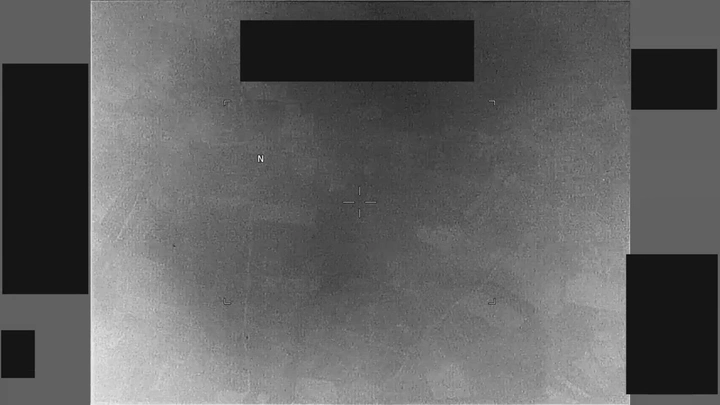
![DOW-UAP-PR097, "Hi-Res: [CALLSIGN] Observes UAP on 25SEP19 at 2135Z"](https://disclosure.us-east-1.linodeobjects.com/d1ldvf68ux039x.cloudfront.net/thumbs/frames/video/2605/1007728/DOD_111719813.0000001/720w_q95.jpg)
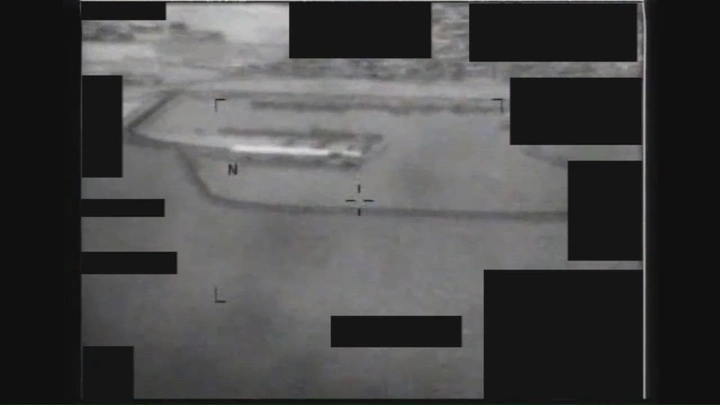
![DOW-UAP-PR099, "Hi-Res: [CALLSIGN] Observes UAP on 25SEP19 at 1715Z"](https://disclosure.us-east-1.linodeobjects.com/d1ldvf68ux039x.cloudfront.net/thumbs/frames/video/2605/1007738/DOD_111719835.0000001/720w_q95.jpg)